Loading…
Creator · Mrpinecone888
View original source ↗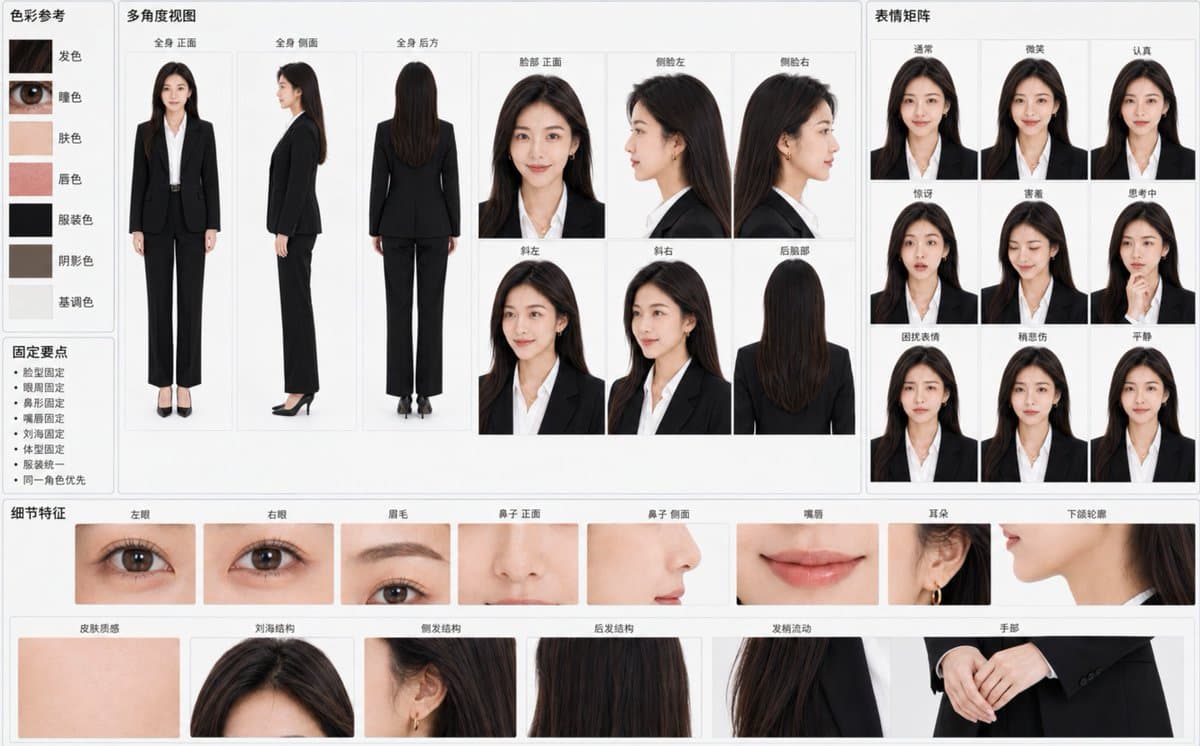
Prompt
Based on the attached original character image, create a "Character Identity Fixed Reference Chart": landscape orientation 16:10, light gray-white background, professional visual reference board layout. The primary goal is for all panels to instantly read as the exact same character, not several similar-looking people.

Treat the character identity from the reference image as a hard, unchangeable constraint. Strictly lock:
- Facial width-to-height ratio, cheekbones, cheeks, jaw, and chin
- Eye contour, eye spacing, eyelid structure, and gaze quality
- Eyebrow arch, thickness, color, and brow-to-eye distance
- Nose bridge, nose tip, nostrils, and profile nose shape
- Upper and lower lip thickness, cupid's bow, mouth corners, and natural lip color
- Skin tone, pores, blood undertone, and natural skin texture
- Hairline, part, bangs, side hair, back hair length, and hair flow direction
- Age impression, bone structure, shoulder width, limb length, and overall body type
- Original outfit, original art style, lighting texture, and overall atmosphere

In the center of the frame, display in larger panels:
- Full body front
- Full body side
- Full body back
- Face front
- Left profile
- Right profile
- Left three-quarter
- Right three-quarter
- Back of head

Each angle must maintain an identical skull structure, relative facial feature positions, hair volume, and body proportions. The side profile must accurately continue the nose bridge, lips, chin, and forehead structure from the front view — generating a side profile that reads as a different person is prohibited.

On the right side, arrange a small expression matrix:
- Neutral
- Smiling
- Serious
- Surprised
- Shy
- Thinking
- Troubled
- Slightly sad
- Calm

Keep the same pupils, base eye size, nose shape, lip shape, and face shape. The smile should be natural and restrained, without changing the character's age or temperament.

At the bottom, arrange fine-grained identity anchors:
- Left eye
- Right eye
- Eyebrows
- Nose front
- Nose side
- Lips
- Ears
- Jawline
- Skin texture
- Bangs structure
- Side hair structure
- Back hair structure
- Hair-tip flow
- Hands

On the left side, add 5-7 accurate color swatches: hair color, eye color, skin tone, lip color, outfit color, shadow color, and overall tone. Add a minimal "fixed points" note: face shape fixed, eye area fixed, nose shape fixed, lips fixed, bangs fixed, body type fixed, outfit unified, same character prioritized.

Clean background, soft even lighting, no cinematic lighting, strong depth of field, or decorative elements. For photorealistic characters, preserve natural pores, fine hairs, and subtle skin-tone variation; for non-photorealistic characters, strictly preserve the original lines, color blocks, shadows, and materials — do not switch styles on your own.

All labels must use clear Simplified Chinese only, moderate font size, not covering the character. If layout space is insufficient, prioritize keeping identity anchors and the main angles, reduce duplicate panels, and do not shrink text or sacrifice character consistency to force everything to fit.

Negative prompt: different person, similar face but not the same person, identity drift, face swap between panels, face shape drift, eye spacing change, pupil change, eyebrow shape change, nose bridge change, nose tip change, lip shape change, chin change, hairline change, bangs change, part change, hair color change, hair length change, body type change, age change, outfit change, excessive beautification, skin smoothing, plastic skin, baby face, sexualization, underwear, swimwear, magazine photoshoot look, cinematic lighting, exaggerated poses, props, complex background, English text, garbled text, fake Chinese characters, watermark, logo, signature, extra fingers, missing fingers, fused hands, misplaced facial features, broken side profile, overlapping faces, body distortion, style shift, layout chaos.
Models & stability
Recommended models
Independent retest evidence
Sep 2, 2026

The requested model is recorded, but the generation receipt did not expose a verifiable underlying model ID.
Aug 9, 2026

The requested model is recorded, but the generation receipt did not expose a verifiable underlying model ID.
Aug 6, 2026

The requested model is recorded, but the generation receipt did not expose a verifiable underlying model ID.
Keep exploring
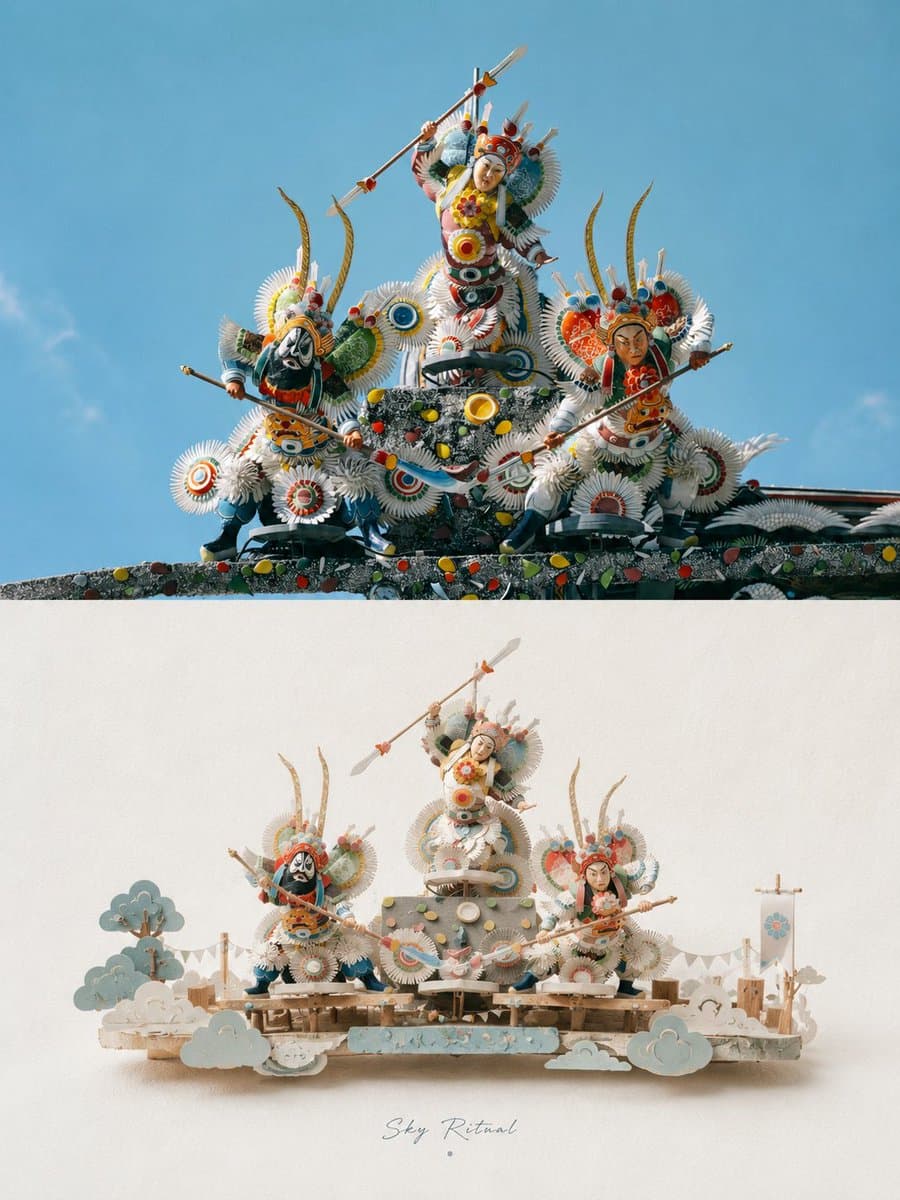
A refined prompt for transforming uploaded photos into premium vertical posters, featuring realistic photography in the upper half and a stylized 3D paper-craft miniature scene in the lower half.
Prompt
Please turn each photo I upload into a separate premium poster design. Do not create multi-image collages; output each photo individually. Use an overall 3:4 vertical composition, with the upper and lower sections in a strict 1:1 height rat
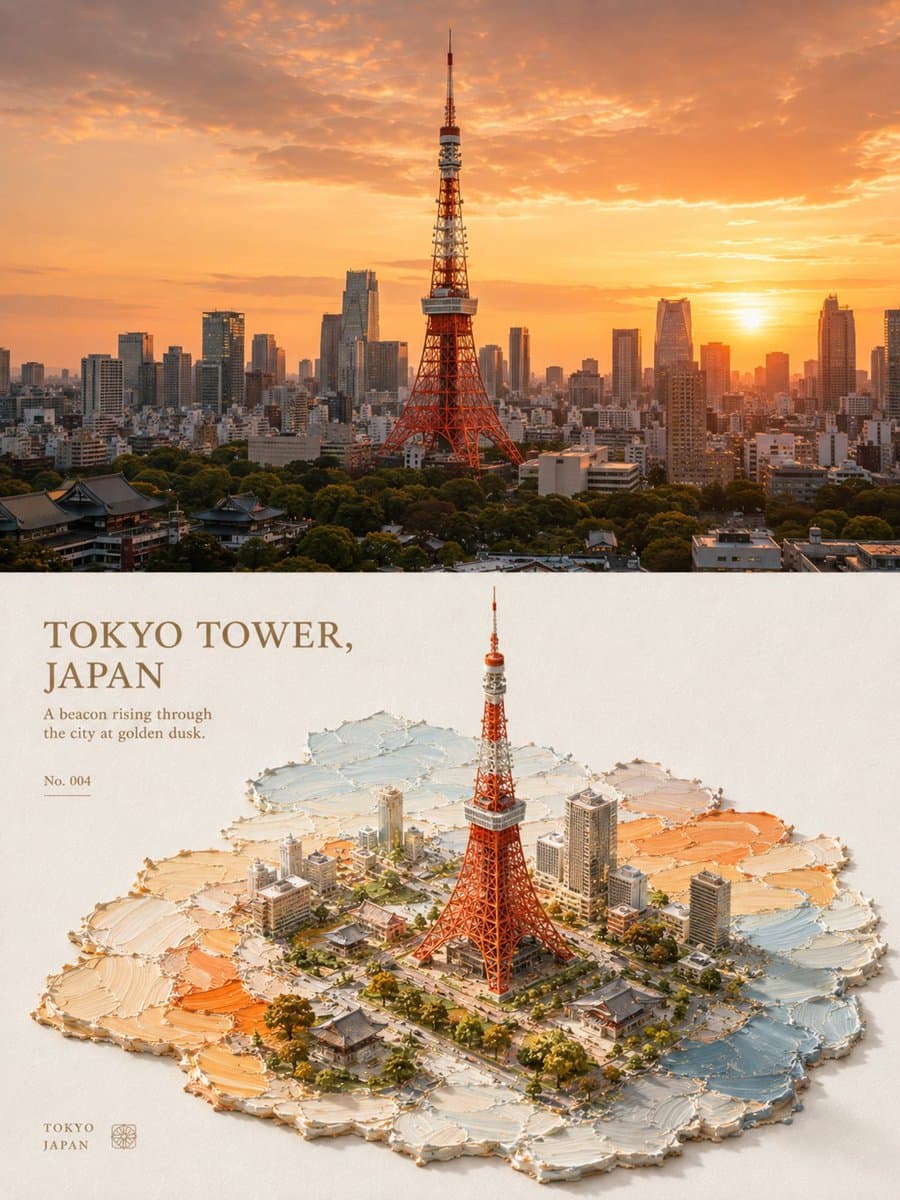
An aesthetic prompt that transforms photos into 3D isometric miniature landscapes using impasto oil painting and palette-knife techniques, creating a richly tactile, handcrafted texture on paper.
Prompt
Please turn each photo I upload into a separate premium design poster. Do not combine multiple images; output each photo individually. Use an overall 3:4 vertical composition, divided into upper and lower sections with a strict 1:1 height r

A detailed 3D CG render depicting an oriental fantasy girl with long mint-green hair, using high-quality PBR materials, with a dreamy garden background.
Prompt
9:16 vertical format, high-precision 3D CG oriental fantasy sweet-cool girl character poster, 3D CG oriental fantasy girl character portrait, anime-style 3D CG character art, semi-realistic 3D character render, full body portrait. The main