

Loading…
Loading…
Creator · Seeed-Projects
View original source ↗What it is:
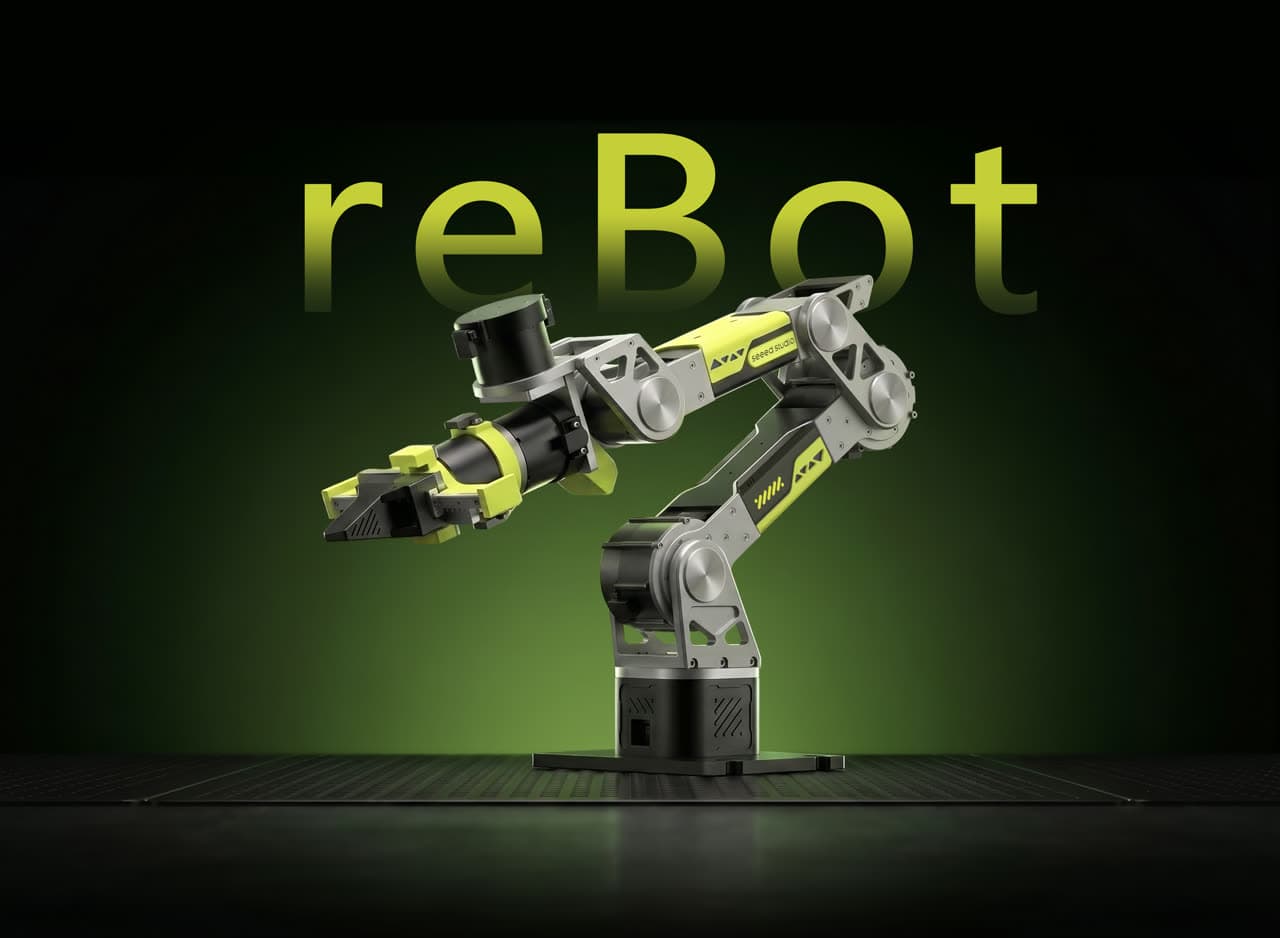
reBot-DevArm is a developer-focused robotic arm project by Seeed Studio, built around “true open source.” It open-sources not only the code, but also the source files for the sheet-metal and 3D-printed parts, while the BOM publishes the specifications and purchase links for every screw. It comes in two visually identical versions with different motor configurations: Robostride and Damiao.
Hardware list and approximate cost:
The build includes body structural parts (3D-printed parts have a reference price of about $50, while machined aluminum parts have a reference price of about $250 per part; prices vary with material and machining precision), Robostride or Damiao high-torque motors, and a gripper assembly. You must separately purchase a power adapter and a bench vise, which are not included in the official kit. The README does not provide a total price for the complete arm. The actual cost must be calculated separately based on the selected motor configuration and purchasing channel (Seeed Store/Amazon/Aliexpress), and is typically higher than that of common entry-level robotic arms.
Build overview:
1. Choose either the Robostride or Damiao motor configuration
2. Purchase the motor pack, structural parts pack, and gripper pack from the official kit options, or buy a fully preassembled unit
3. Fabricate the sheet-metal parts and print the structural parts using the official STEP/3D source files
4. Purchase the power supply, connectors, and other peripheral components according to the BOM
5. Connect the arm to any of the supported software stacks—ROS1/2, Isaac Sim, or LeRobot—and verify control
6. If simulation validation is required, test it in Isaac Sim before running it on the physical arm
Getting-started advice:
The project was only open-sourced in November 2025, and the README marks the Isaac Sim simulation section as still in progress. Before purchasing, check the repository for the latest BOM and documentation status.
Note: The cost tier is an editorial estimate; no official total price for the complete arm has been published.Models & stability
Recommended models
Keep exploring
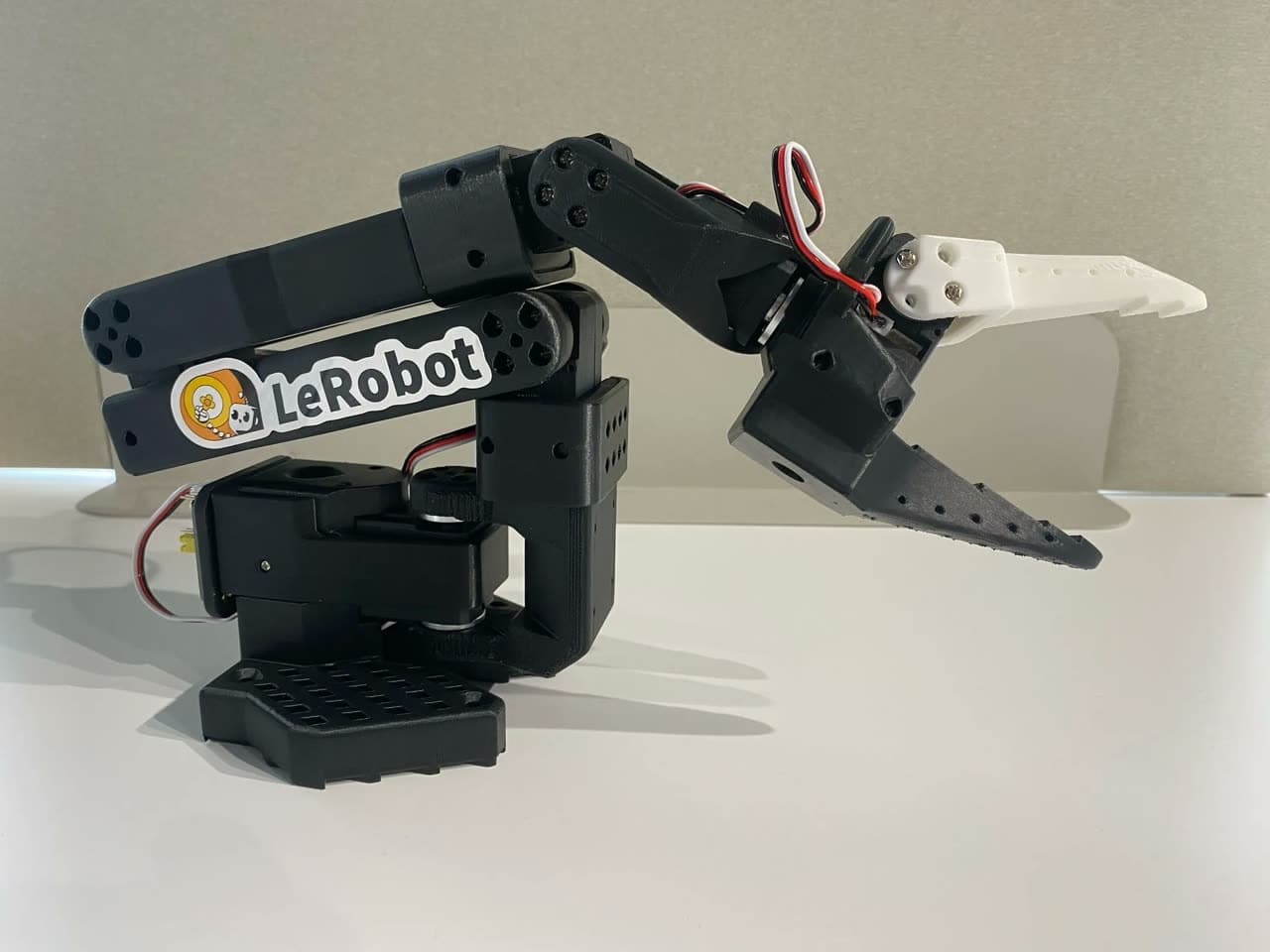
A low-cost standardized robotic arm kit. A leader and follower arm work with the LeRobot library for teleoperation and imitation-learning data collection. The full system can be assembled from online purchases and 3D-printed parts, with both arms costing about $230.
Prompt
What it is: The SO-101 is a standardized open-source robotic arm developed by RobotStudio in collaboration with the Hugging Face LeRobot team. It is the successor to the SO-100, with improved cable routing and assembly that does not require
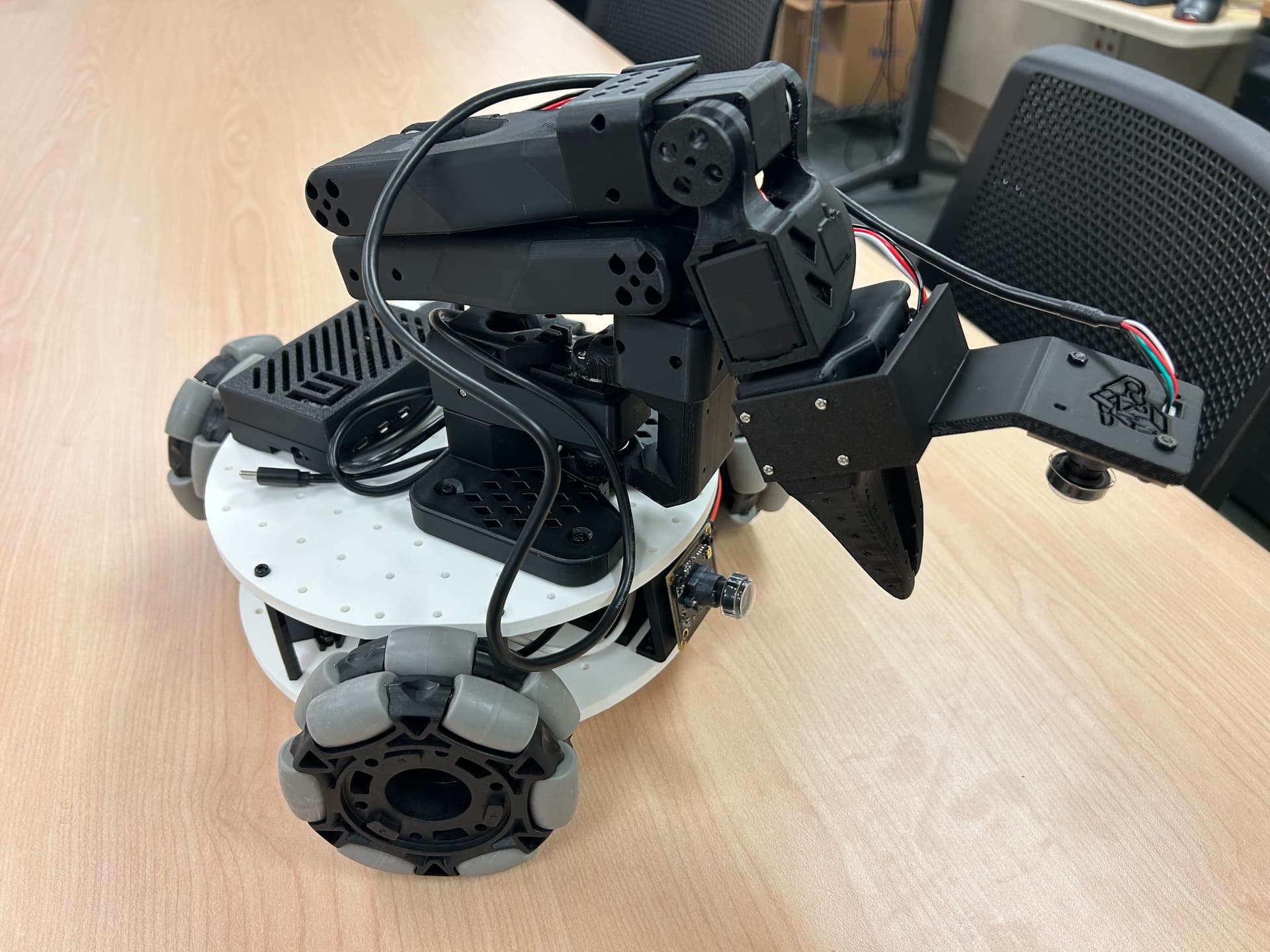
A low-cost mobile robotic arm combining a three-wheel omnidirectional base with a SO-ARM101 robotic arm. It works with the LeRobot library for teleoperation and data collection, costing approximately $482 for the complete 12V version and $499 for the 5V version.
Prompt
What it is: LeKiwi is a low-cost mobile manipulation platform created by the SIGRobotics club at the University of Illinois Urbana-Champaign. It combines a three-wheel omnidirectional Kiwi drive base with a SO-ARM101 robotic arm and later b
Each detail page keeps the original result, the prompt, and retest evidence in one reading path.