

Loading…
Loading…
Creator · SIGRobotics-UIUC
View original source ↗What it is:
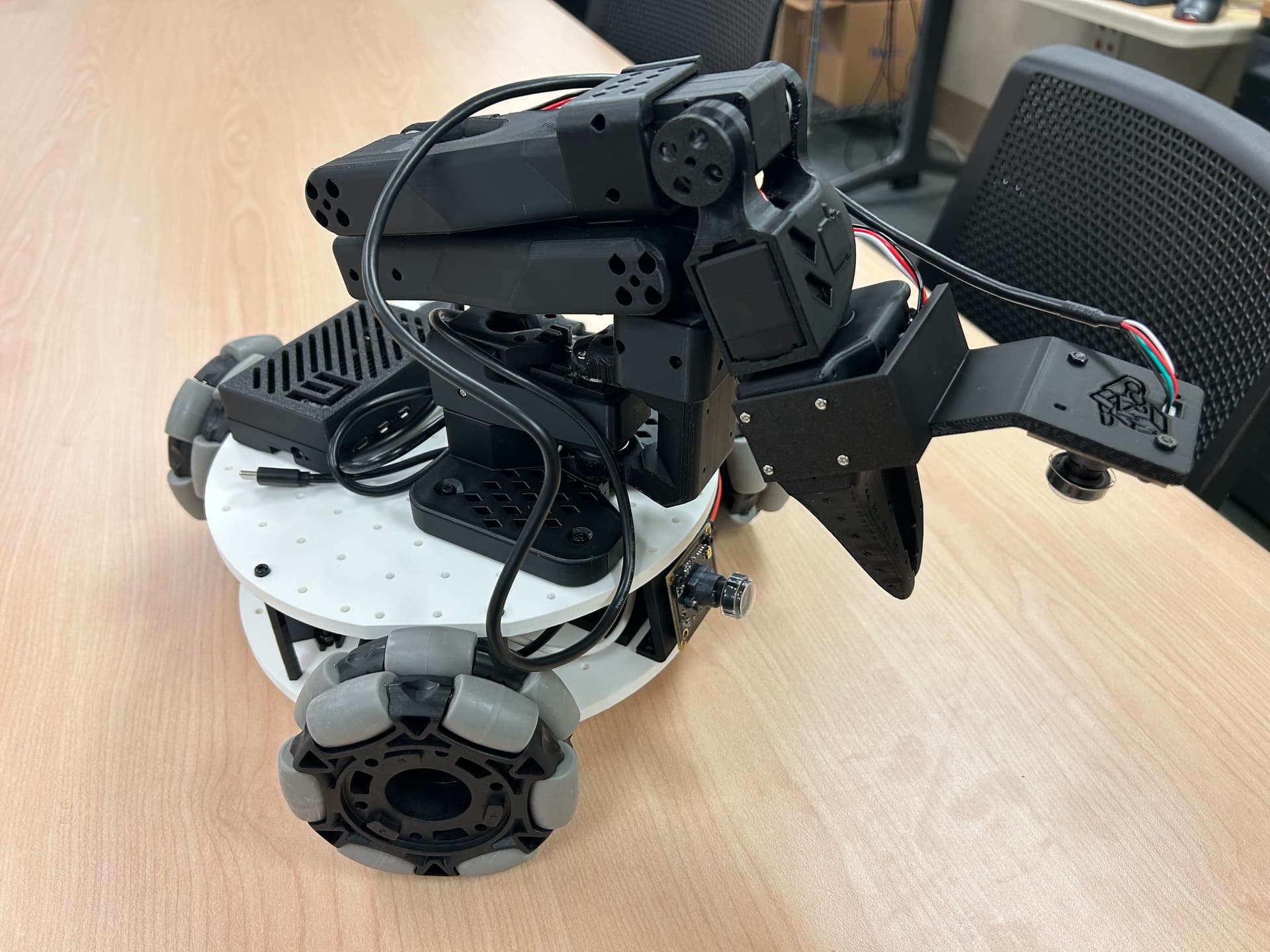
LeKiwi is a low-cost mobile manipulation platform created by the SIGRobotics club at the University of Illinois Urbana-Champaign. It combines a three-wheel omnidirectional Kiwi drive base with a SO-ARM101 robotic arm and later became the mobile-base design directly reused by projects such as XLeRobot.
Hardware list and approximate costs:
One SO-ARM101 robotic arm, a three-wheel omnidirectional base, a Raspberry Pi 5, and two RGB cameras—workspace and wrist—with either a 12V lithium-battery power system or a 5V laptop power-bank system. The official BOM lists an approximate complete-system cost of $482 for the 12V version and $499 for the 5V version. The base alone, excluding the robotic arm, costs approximately $248 for the 5V version and $251.5 for the 12V version. All prices exclude 3D printing and tools.
Overview of replication steps:
1. Purchase all parts for the robotic arm, base, Raspberry Pi, cameras, and other components according to BOM.md
2. Print the base and mounting components according to 3DPrinting.md
3. Assemble the complete system according to Assembly.md
4. Follow the official LeRobot tutorial to integrate the software stack and get teleoperation working
5. Use a game controller, keyboard, or leader arm to control the mobile base and robotic arm together
6. Collect data from the workspace/wrist cameras to build a dataset for imitation learning
Getting-started advice:
For a first build, the 5V laptop power-bank version is recommended. The official documentation explicitly states that this version is easier to assemble. The 12V version is better suited to experienced builders who need greater load capacity.Models & stability
Recommended models
Keep exploring
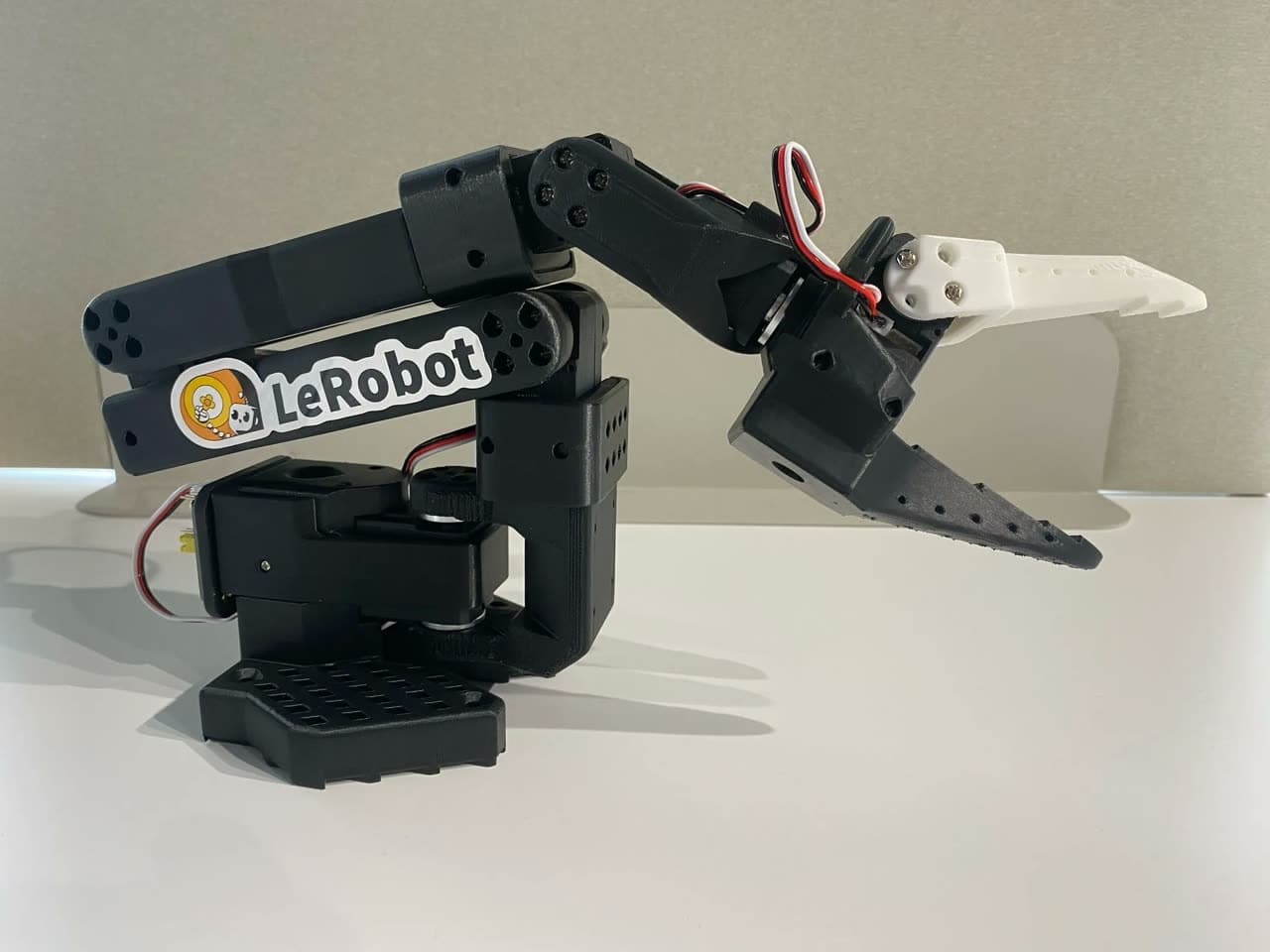
A low-cost standardized robotic arm kit. A leader and follower arm work with the LeRobot library for teleoperation and imitation-learning data collection. The full system can be assembled from online purchases and 3D-printed parts, with both arms costing about $230.
Prompt
What it is: The SO-101 is a standardized open-source robotic arm developed by RobotStudio in collaboration with the Hugging Face LeRobot team. It is the successor to the SO-100, with improved cable routing and assembly that does not require
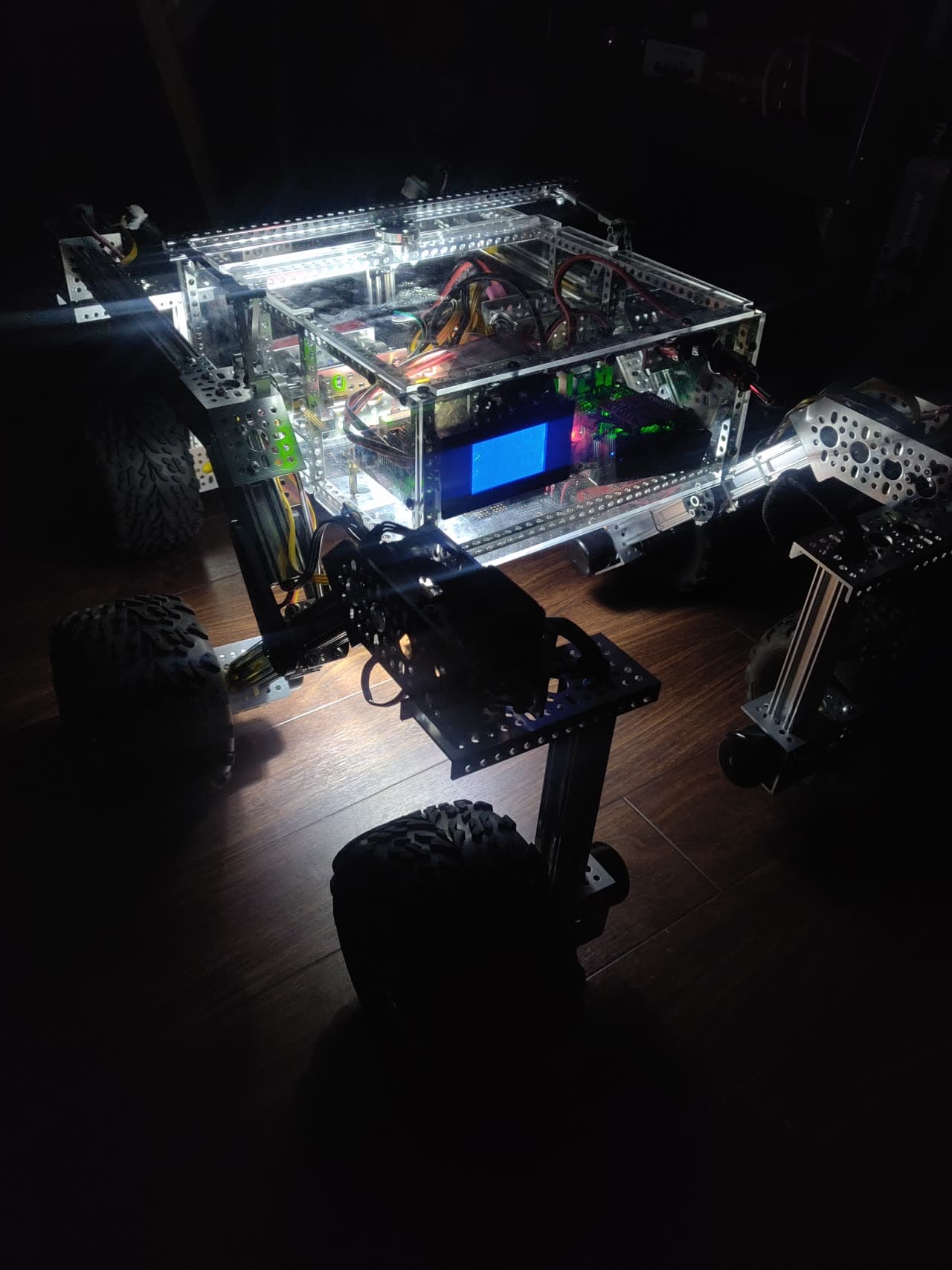
A complete hardware design released by JPL for a six-wheeled Mars rover. Its rocker-bogie suspension and differential pivot keep every wheel in contact with the ground while climbing. A Raspberry Pi serves as the brain, and the full build costs about $1,600.
Prompt
What it is: The Open Source Rover is an open-source hardware project released by NASA JPL. It is a scaled-down replica of the six-wheeled rover design JPL uses for Mars exploration, built entirely from consumer-grade commercial off-the-shel
An AI assistant running on a $5 ESP32-S3 chip. It uses pure C with no Linux or Node.js, communicates through Telegram, calls Claude or GPT to complete tasks, and remembers history across restarts.
Prompt
What it is: MimiClaw packs a complete set of AI agent capabilities—reasoning, tool use, and reading and writing memory—into an ESP32-S3 chip that does not run Linux. It is implemented in pure C, sends and receives messages through Telegram,
Each detail page keeps the original result, the prompt, and retest evidence in one reading path.