

Loading…
Loading…
Creator · MaximeRivest
What it is:
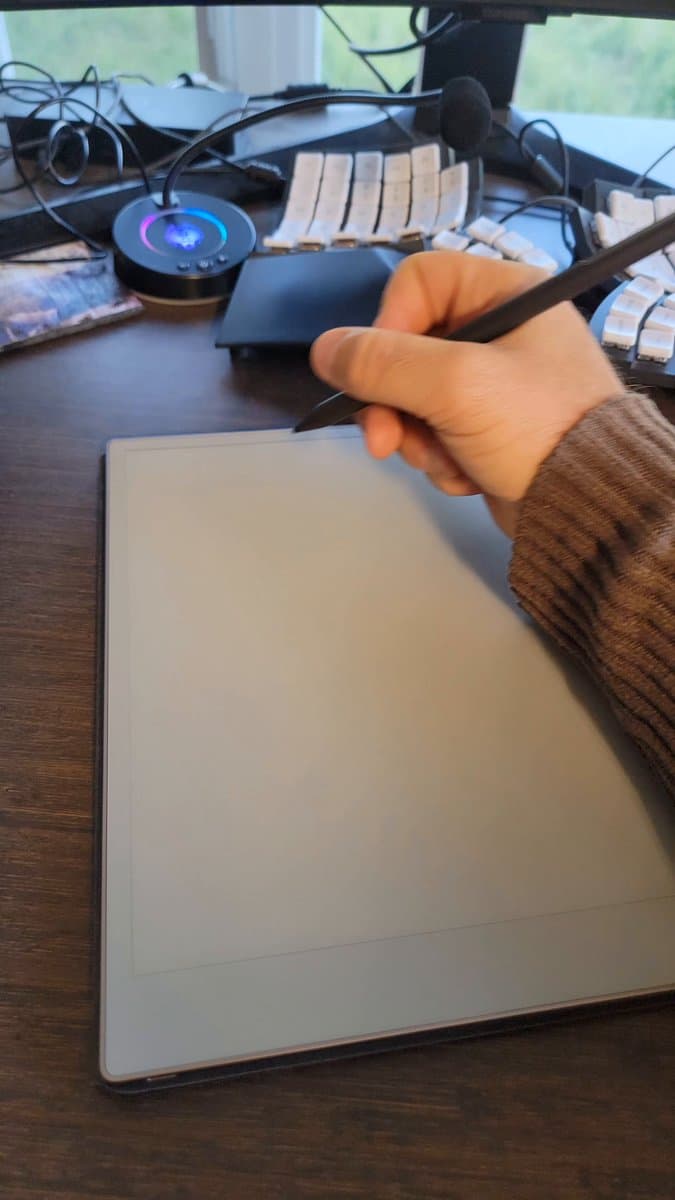
riddle is an AI journaling app that runs on the reMarkable Paper Pro e-paper tablet: write with the pen, and after you pause, the page “drinks” your ink. After a moment of thought, the AI writes its reply back onto the page stroke by stroke in fluid handwriting, then fades out. There is no on-screen UI, keyboard, or chat window at any point.

Hardware requirements and approximate cost:
You need a reMarkable Paper Pro (developer mode + xovi/AppLoad launcher; tested only on ferrari/aarch64 models running OS 3.26–3.27), plus an OpenAI-compatible API key (supports OpenAI, OpenRouter, Groq, or a self-hosted local service). The project software itself is free; the main hardware cost is the tablet.

Overview of replication steps:
1. Use the companion tool remagic to enable developer mode on the reMarkable and install xovi + AppLoad
2. Run remagic install riddle for one-click installation, or download the archive from the release page and transfer it to the device via scp
3. Copy oracle.env.example to oracle.env and fill in RIDDLE_OPENAI_KEY and the other parameters
4. Open The Diary in AppLoad to launch the app (it will take over the entire screen)
5. Write with the pen; after a pause of about 2.8 seconds, the page is automatically submitted to the AI for processing
6. Tap the screen with five fingers simultaneously to exit takeover mode; the built-in system UI will be restored automatically

Getting-started advice:
The original documentation explicitly warns that this uses takeover mode and takes control of the entire reMarkable system with root privileges. Before proceeding, make sure SSH connectivity is working in case the system freezes or becomes bricked.

Note: The cost tier is an editorial estimate; the official total device price has not been published.Models & stability
Recommended models
Keep exploring
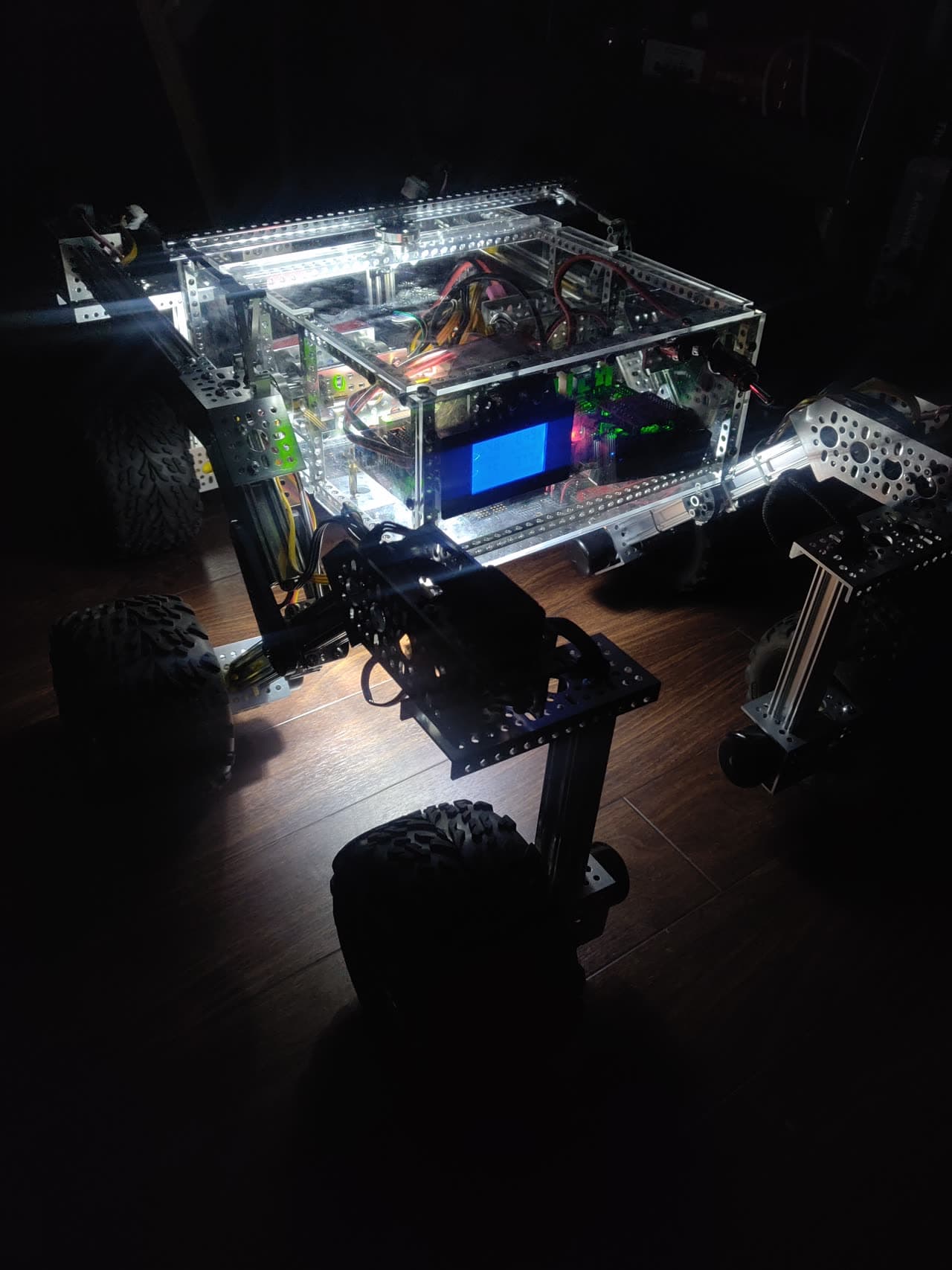
A complete hardware design released by JPL for a six-wheeled Mars rover. Its rocker-bogie suspension and differential pivot keep every wheel in contact with the ground while climbing. A Raspberry Pi serves as the brain, and the full build costs about $1,600.
Prompt
What it is: The Open Source Rover is an open-source hardware project released by NASA JPL. It is a scaled-down replica of the six-wheeled rover design JPL uses for Mars exploration, built entirely from consumer-grade commercial off-the-shel
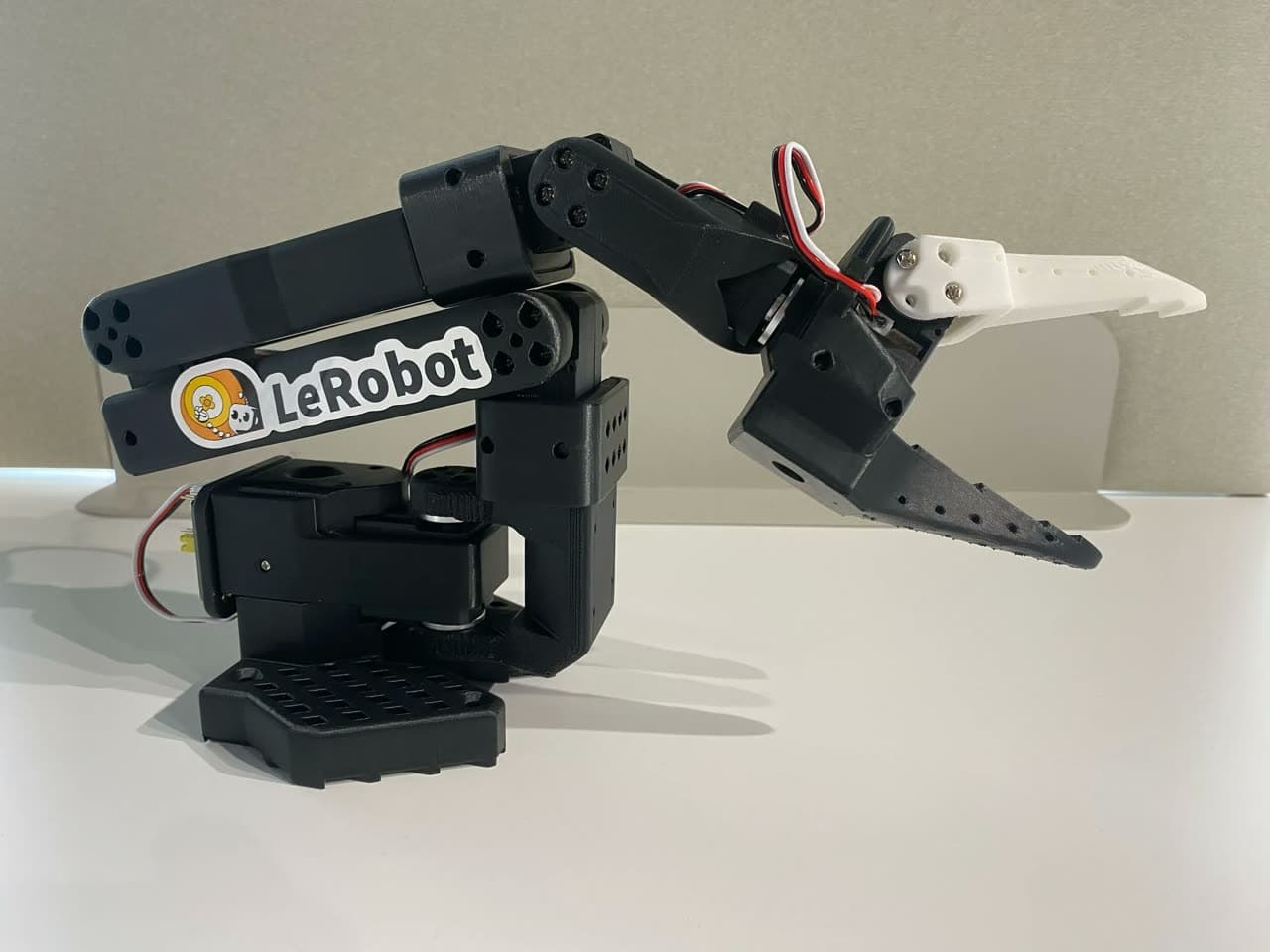
A low-cost standardized robotic arm kit. A leader and follower arm work with the LeRobot library for teleoperation and imitation-learning data collection. The full system can be assembled from online purchases and 3D-printed parts, with both arms costing about $230.
Prompt
What it is: The SO-101 is a standardized open-source robotic arm developed by RobotStudio in collaboration with the Hugging Face LeRobot team. It is the successor to the SO-100, with improved cable routing and assembly that does not require
An AI assistant running on a $5 ESP32-S3 chip. It uses pure C with no Linux or Node.js, communicates through Telegram, calls Claude or GPT to complete tasks, and remembers history across restarts.
Prompt
What it is: MimiClaw packs a complete set of AI agent capabilities—reasoning, tool use, and reading and writing memory—into an ESP32-S3 chip that does not run Linux. It is implemented in pure C, sends and receives messages through Telegram,
Each detail page keeps the original result, the prompt, and retest evidence in one reading path.