

Loading…
Loading…
Creator · xiaoxiaodong01
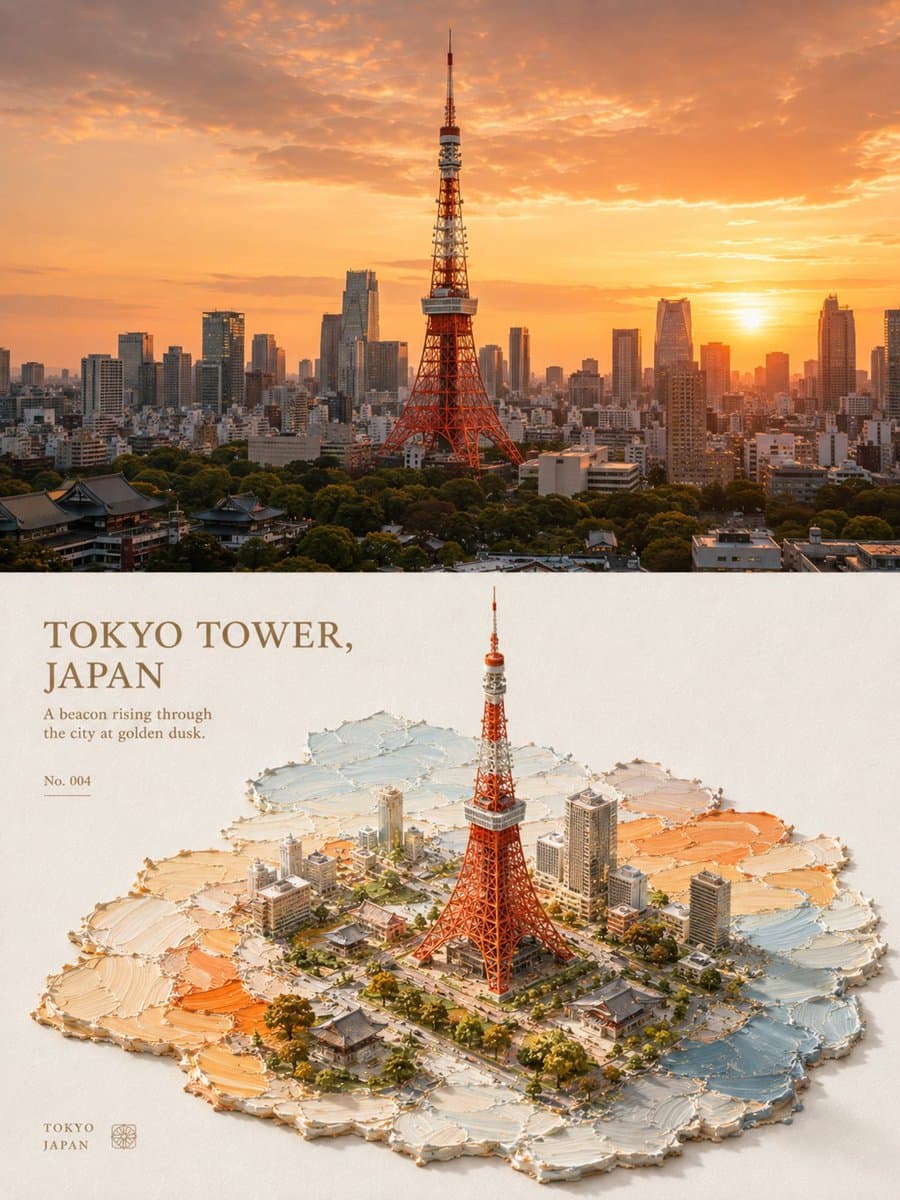
View original source ↗Please turn each photo I upload into a separate premium design poster. Do not combine multiple images; output each photo individually. Use an overall 3:4 vertical composition, divided into upper and lower sections with a strict 1:1 height ratio, each occupying 50% of the image.
The upper half should preserve the original photo, maintaining the subject’s structure, realistic texture, natural lighting and shadows, and original color atmosphere. Apply only subtle, high-end photographic color grading to give it the feel of an art magazine, independent publication, and exhibition photography. To fit the aspect ratio, you may naturally extend the sky, ground, or environmental background, but do not stretch, distort, or alter the subject.
In the lower half, extract the most recognizable **subject, silhouette, pose, and narrative relationships** from the photo and reconstruct them as a refined impasto miniature landscape using **isometric / axonometric 3D spatial logic**. The subject should not be a flat illustration, but a three-dimensional miniature entity with clear volume, structure, depth relationships, and a stable point of contact. Preserve the object’s most important identifying characteristics. You may moderately refine the perspective and proportions to make it more complete, clear, and sculptural within a unified isometric space.
The subject should rest on a **thematic color field** formed from thick impasto paint. This color block should not be an ordinary rectangular background. Instead, transform it according to the source image into water, ground, a road, grass, a band of light, a shoreline, a shadow, or another thematic spatial slice, naturally extending along the isometric perspective. The subject must have a genuine spatial relationship with the color field. It may stand on, embed into, pass through, extend across, reflect in, ripple over, cast a shadow on, or partially cross its boundaries, cleverly connecting two-dimensional impasto brushwork with the three-dimensional subject.
Adapt the composition to the subject’s volume, orientation, and direction of movement, establishing a professional spatial order through **diagonal isometric angles, a stable center of gravity, foreground-background depth, and generous negative space**. The subject should usually occupy a key point in the color field rather than being mechanically centered, while the color field guides the eye and extends the perspective. When necessary, add a low-visual-weight group of clouds, a sun, plants, ripples, or abstract natural motifs to create depth around the subject, but do not create a second focal point.
Use a visual language that fuses **three-dimensional miniature models × impasto oil painting × real paper**. Render the subject with refined details and clear volume, while retaining visible palette-knife marks, thick paint buildup, raised edges, and handmade brushstrokes in the surrounding environment. Clouds, water, ground, and light may have an almost relief-like thickness of oil paint, creating the tactile illusion of “a real model standing on oil paint that has not yet dried.”
Extract and remix the **brightest, most vivid colors that best represent the subject’s spirit and vitality** from the upper photo. Increase their brightness, purity, and liveliness, using plenty of clean warm white as breathing room, paired with translucent main colors and a few sunlight-like warm accents. The overall result should feel bright, healing, vivid, and premium. Avoid muddy grays, gloominess, Morandi-style muting, fluorescent tones, and cheap candy colors.
Use text sparingly. Derive a short title from the photo’s subject, location, mood, or symbolic meaning, accompanied by very limited secondary copy, numbering, or miniature annotations. Keep the typography refined and restrained. It may follow the isometric direction, the edge of the impasto color field, or the negative space, cleverly echoing the spatial perspective rather than appearing as a separate title pasted onto the image.
The overall visual relationship should be **isometric three-dimensional subject × impasto color field × bright, healing palette × real paper × generous negative space**. Whether the subject is architecture, a person, an animal, a plant, an object, a vehicle, or a natural landscape, make the three-dimensional subject genuinely “stand, grow, or exist” within the space formed by the impasto color field. Avoid flat pasted graphics, ordinary illustrations, plastic-looking CG, toy-model aesthetics, and formulaic miniature landscapes.Models & stability
Recommended models
Independent retest evidence
Sep 2, 2026

The requested model is recorded, but the generation receipt did not expose a verifiable underlying model ID.
Keep exploring
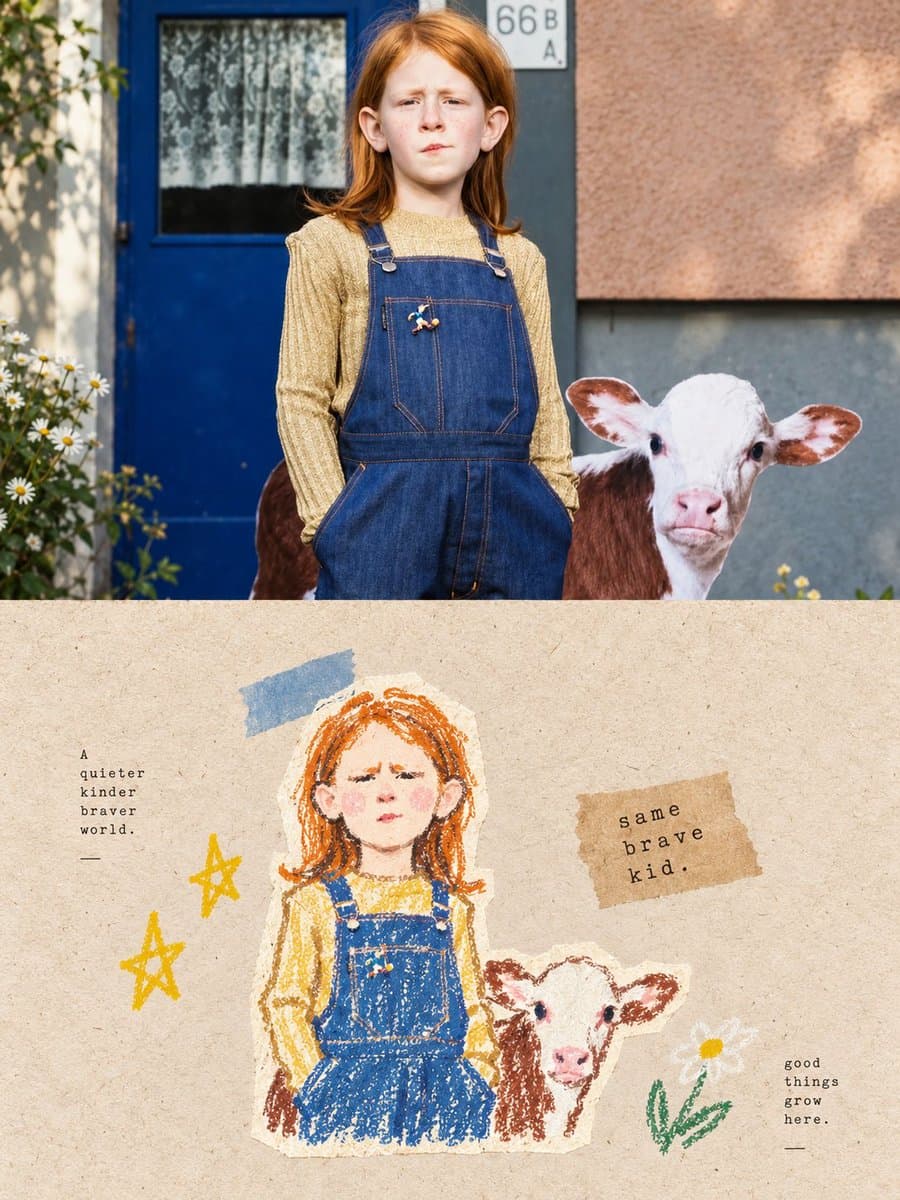
An artistic prompt that transforms uploaded photos into high-end posters featuring vintage paper textures, pastel doodle illustrations, and minimalist typography.
Prompt
Please turn each photo I upload into a separate premium design poster...Use an overall vertical {argument name="构图比例" default="3:4"} composition, with the upper and lower sections in a strict 1:1 height ratio, each occupying 50% of the canv
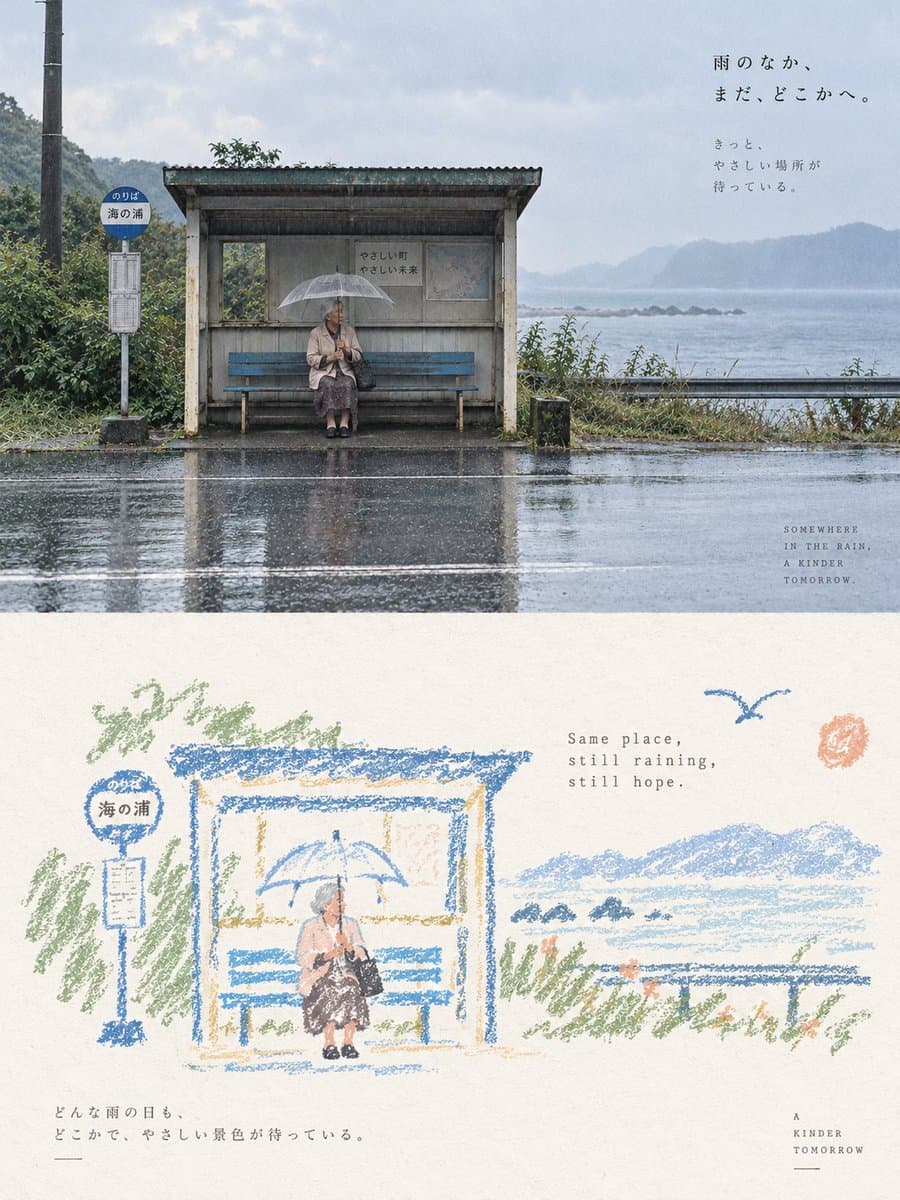
A comprehensive prompt for creating premium, soothing aesthetic posters in a vintage crayon and pastel style, transforming photos into artwork through a distinctive top-and-bottom split layout.
Prompt
Turn each photo I upload into a separate, premium-designed poster. Do not combine multiple images; output each photo individually. Use an overall {argument name="Composition Ratio" default="3:4 vertical composition"}, with the upper and low
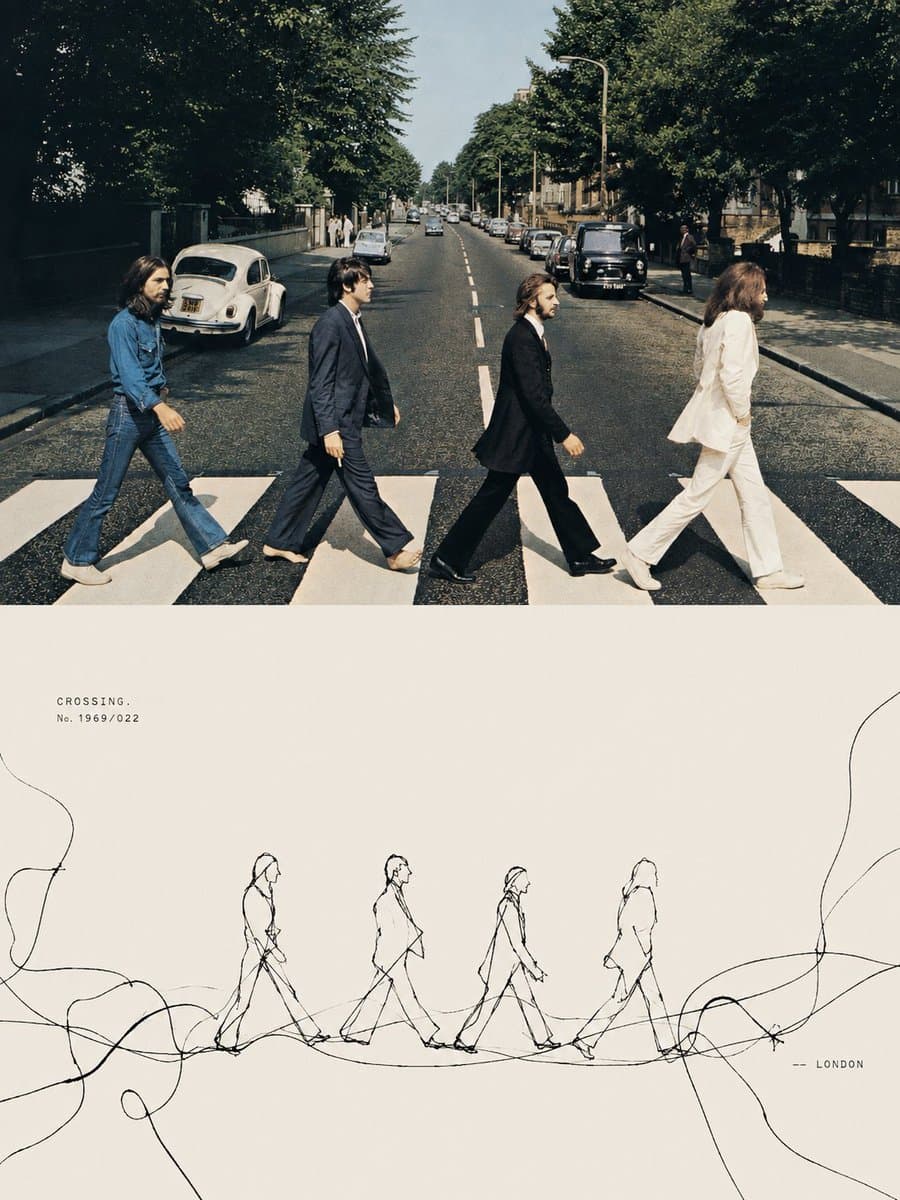
A creative prompt that divides a poster into two sections: the top half retains the original photograph, while the bottom half is reimagined as minimalist conceptual line art.
Prompt
Please turn each photo I upload into a separate premium design poster. Do not create multi-image collages; output each photo separately. Use an overall 3:4 vertical composition, with the upper and lower sections in a strict 1:1 height ratio
Same creator
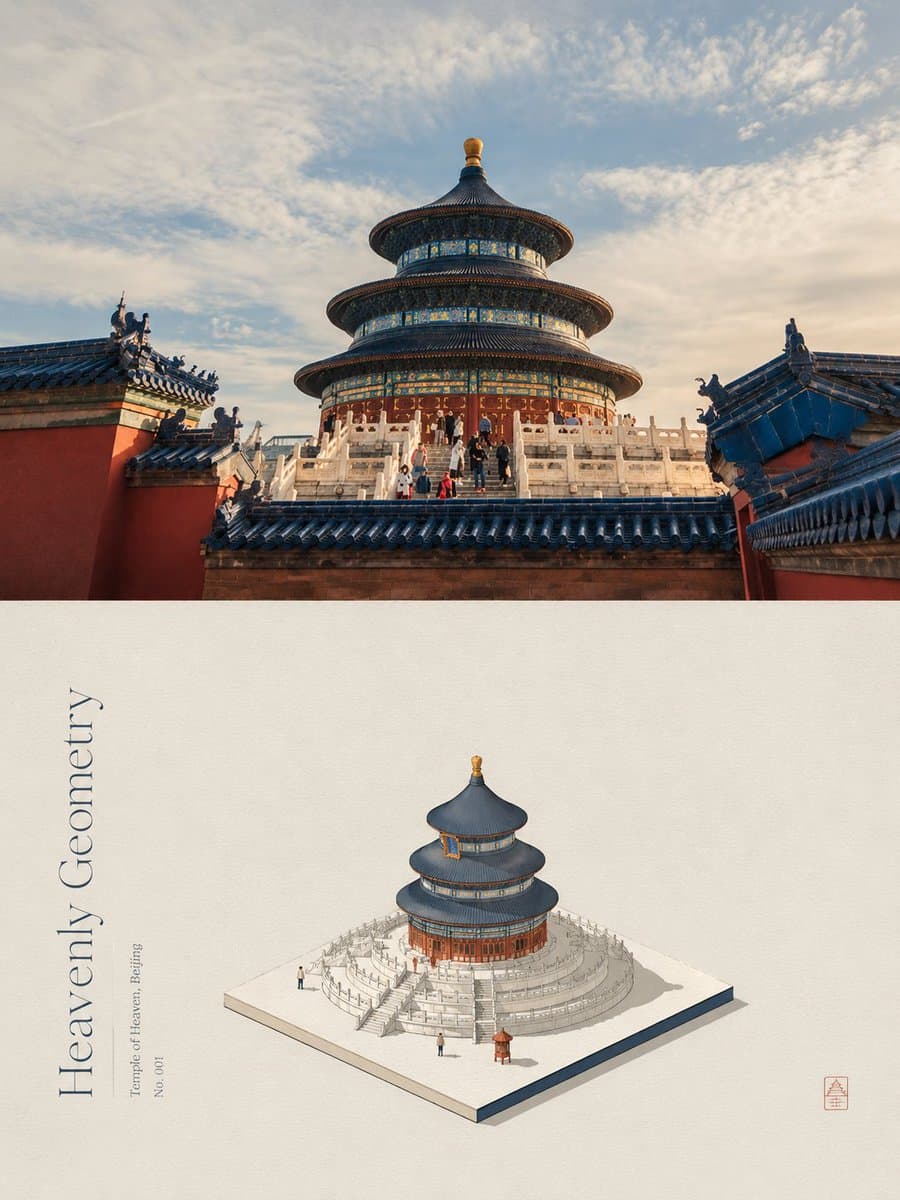 Isometric Miniature Model PosterAI Image · GPT Image 2 · 2026-08-30
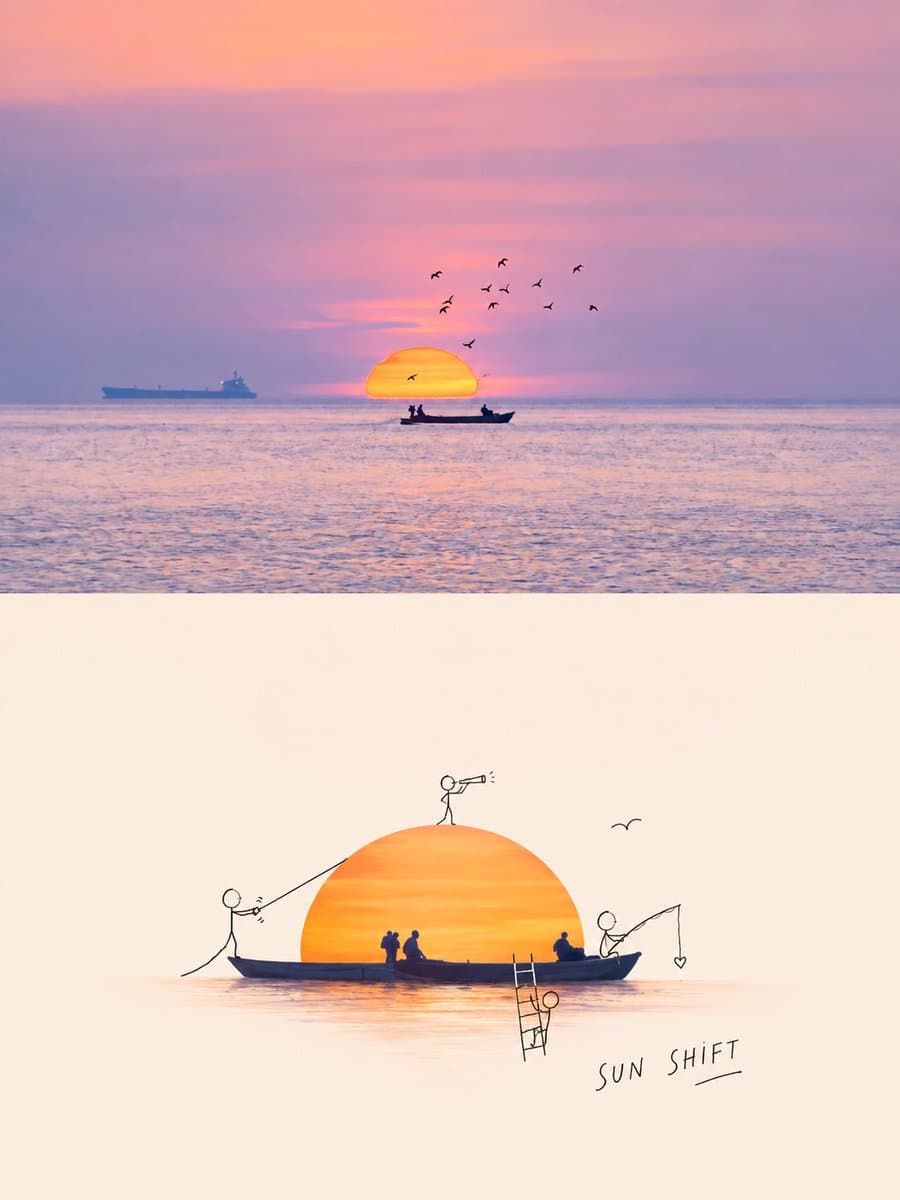 Creative Doodle Poster GeneratorAI Image · GPT Image 2 · 2026-08-30
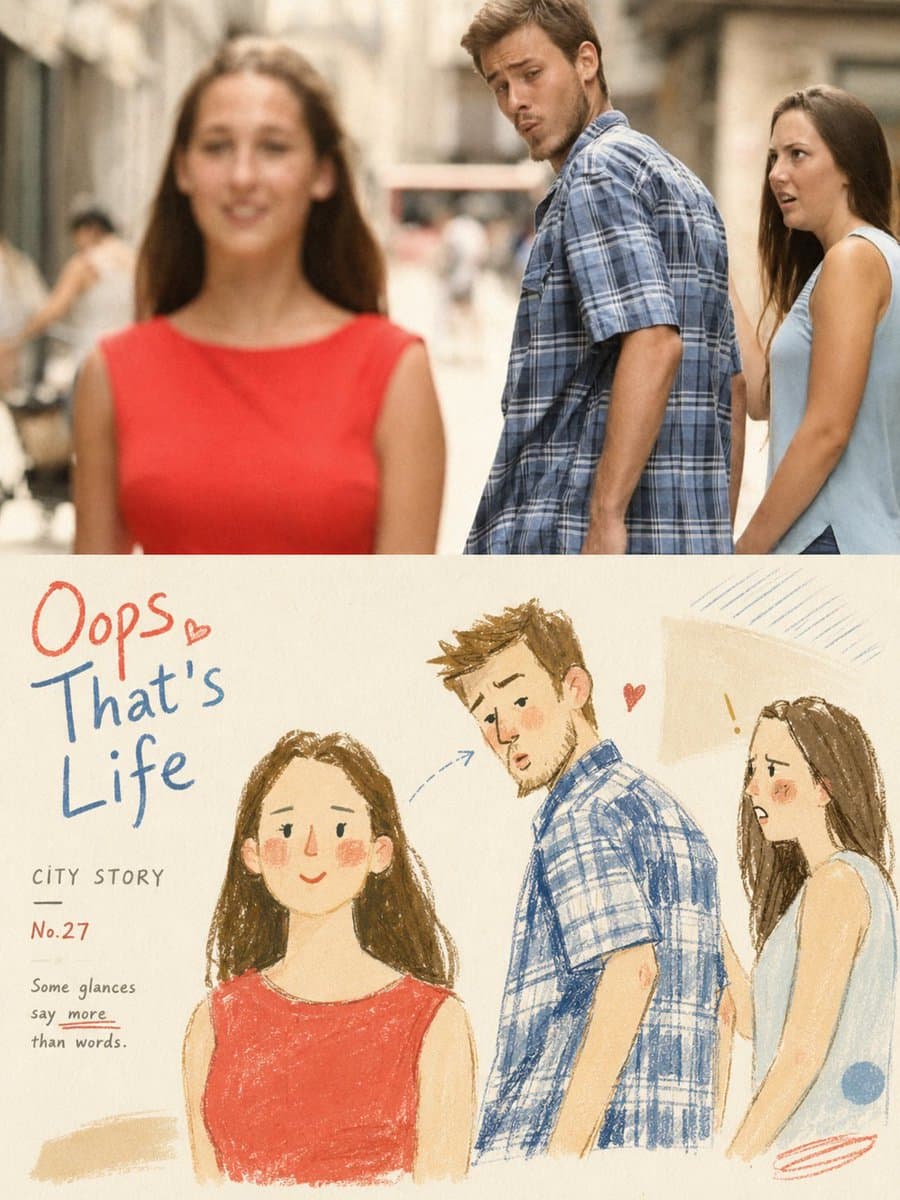 Watercolor-Style Editorial Illustration PosterAI Image · GPT Image 2 · 2026-08-30
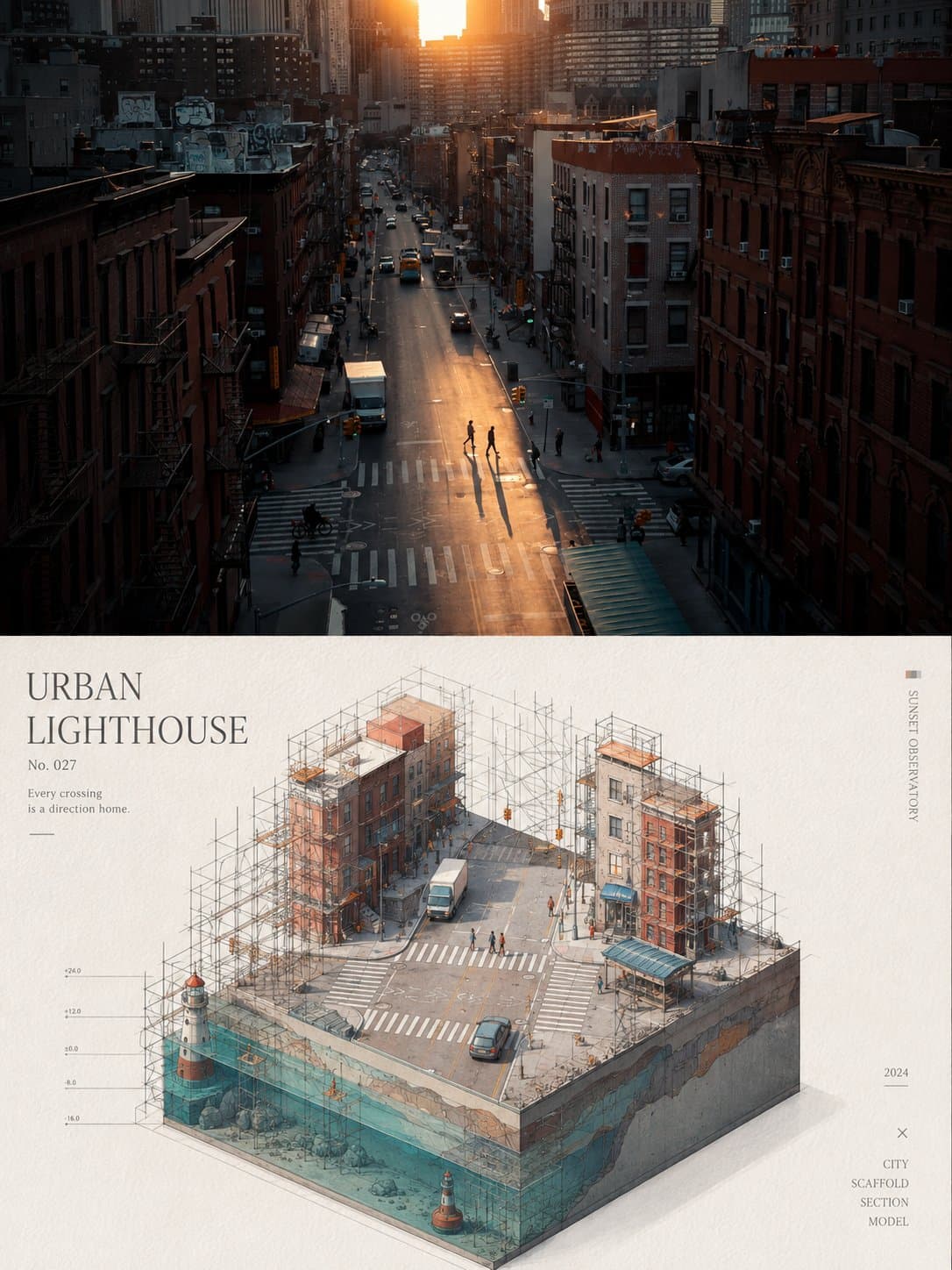 GPT Image 2 × Scaffolding Aesthetics × Isometric Miniature Architectural Landscape Poster Prompt VOL.073AI Image · GPT Image 2 · 2026-09-06
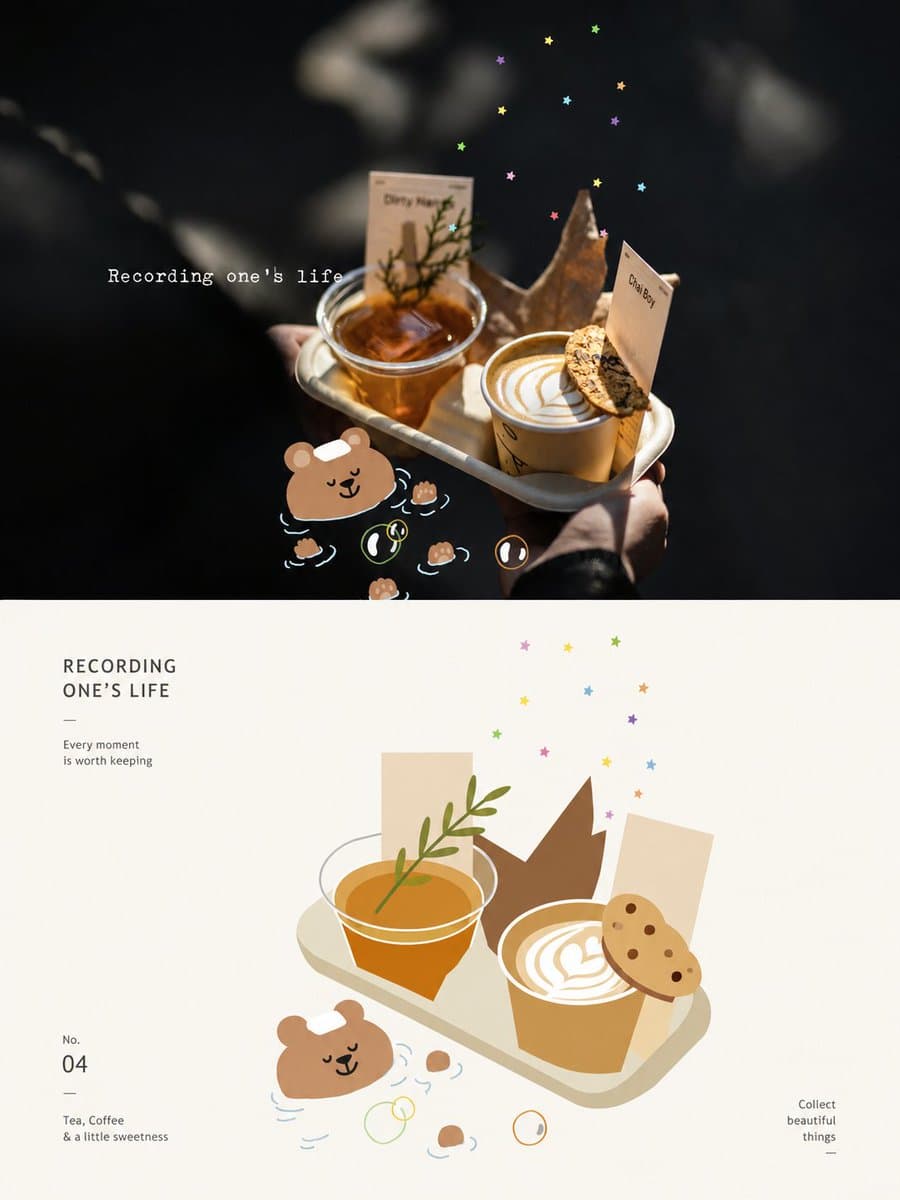 Healing Geometric Art PosterAI Image · GPT Image 2 · 2026-09-06
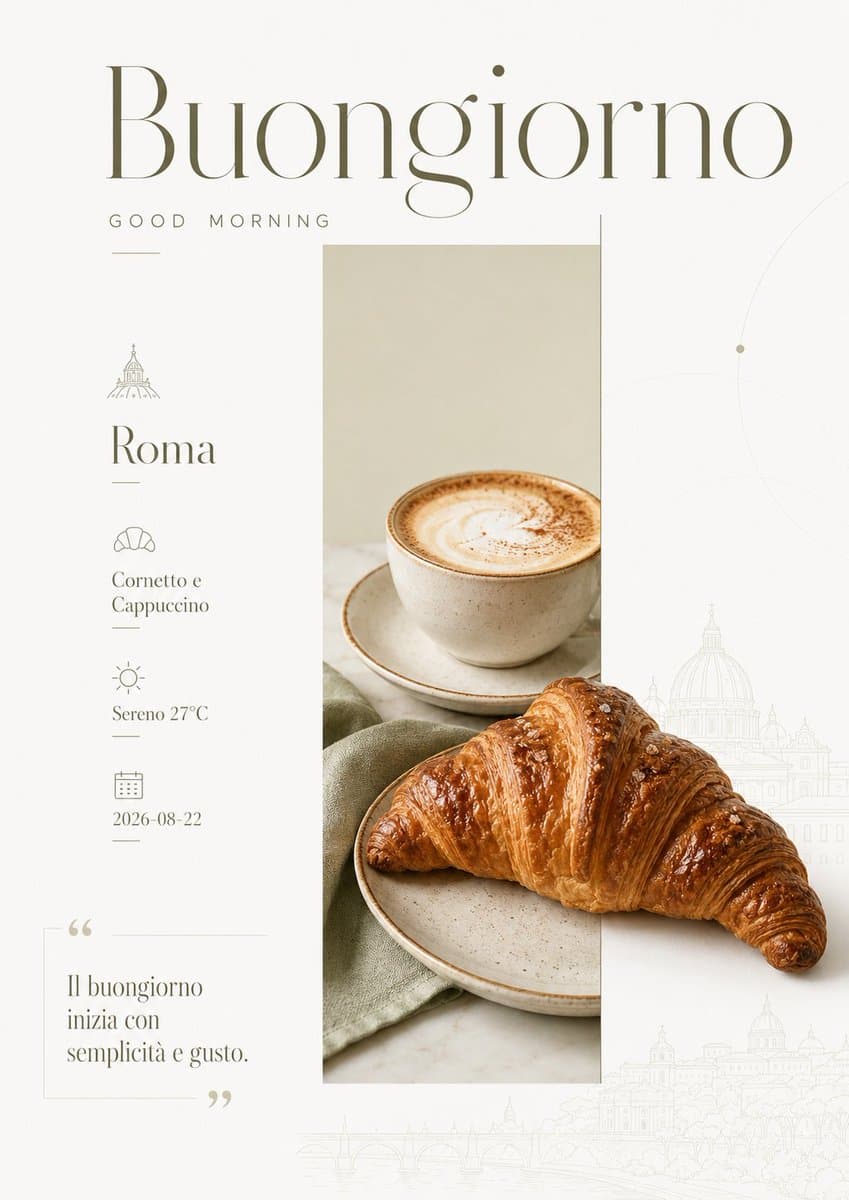 Minimalist Commercial Poster with a Geometric WindowAI Image · GPT Image 2 · 2026-09-01
Same model
 Six Flash Portraits of a Young Portuguese WomanAI Image · GPT Image 2.5 · 2026-10-23
 Portrait of a Curly-Haired Woman in Champagne Gown and Floral PearlsAI Image · GPT Image 2.5 · 2026-10-21White-Backdrop Portrait of a Young Woman in a Brown JacketAI Image · GPT Image 2.5 · 2026-10-21GPT Image 2.5:年轻成年东方少女,精致 BJD 立体五官,AI Image · GPT Image 2.5 · 2026-10-21
 Half-Length Portrait of a Stern Man in a Plaid Suit, Hand at ChinAI Image · GPT Image 2.5 · 2026-10-21A Stern Asian Man in a Shirt and Tie in a White StudioAI Image · GPT Image 2.5 · 2026-10-21
Each detail page keeps the original result, the prompt, and retest evidence in one reading path.