

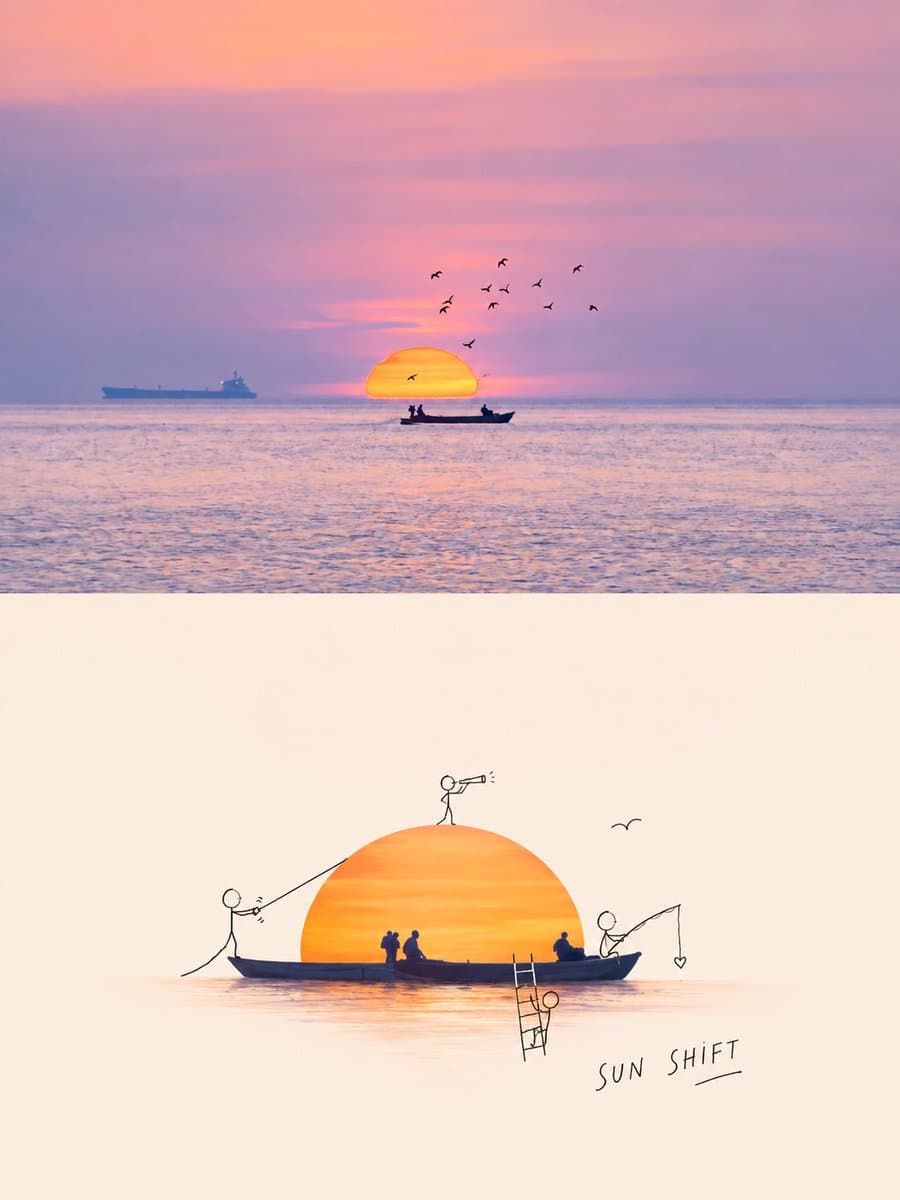
Loading…
Loading…
Creator · xiaoxiaodong01
View original source ↗Apply the same treatment:
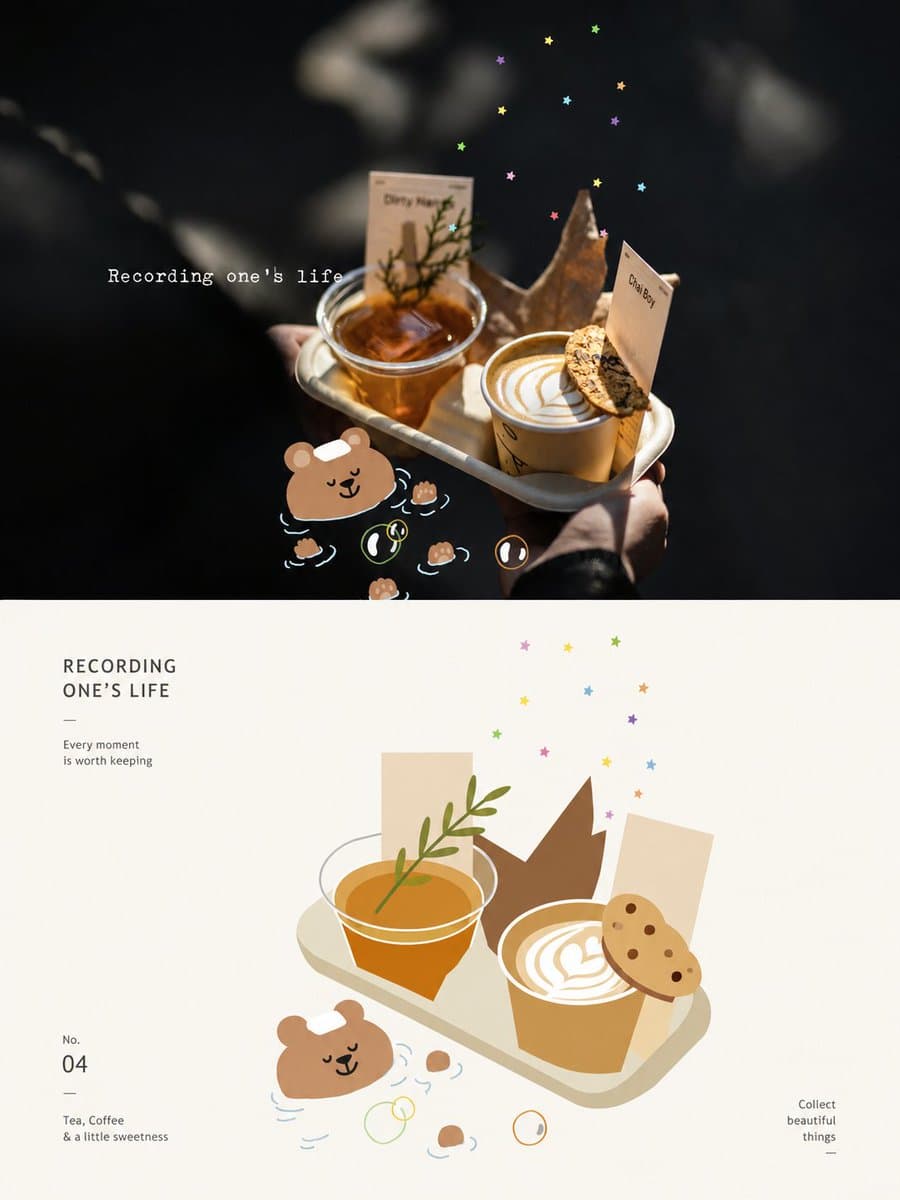
Turn each photo I upload into a separate premium-designed poster. Do not combine multiple images; output each photo separately. Use an overall 3:4 vertical composition, with the upper and lower sections in a strict 1:1 height ratio, each occupying 50% of the image.
Preserve the original photo in the upper half, maintaining the subject’s structure, realistic texture, natural lighting, and original color atmosphere. Apply only subtle, sophisticated photographic color grading to give it the quality of a lifestyle magazine, independent publication, and fine-art photography. The surrounding environment may be naturally extended to fit the aspect ratio, but the subject must not be stretched, distorted, or altered.
For the lower half, first understand the original image’s true **visual core and meaning**: determine that what matters most is not “what is present,” but “what is most worth remembering”—perhaps a subject, an action, a relationship, a contrast, an emotional moment, or a symbolic meaning. Then extract its most recognizable **subject, silhouette, pose, and narrative cues**, and reconstruct them as a playful editorial poster featuring “a real subject + small black-line doodle characters.” Do not mechanically select the largest object in the original image. Preserve the visual anchor that best represents the photo’s spirit and story, so the lower half is immediately recognizable as corresponding to the original while also feeling like an intelligent reinterpretation of it.
The real subject should retain its material qualities and identifying characteristics. Its angle, proportions, lighting, and color may be moderately refined to make its core features more distinctive. Information unrelated to the original image’s meaning may be omitted, but the key relationships supporting the theme must be preserved. Add a small number of minimalist black-line doodle characters around the subject. Their actions, positions, and interactions should be generated naturally from the original image’s form, context, and implied meaning, making them feel as though they are responding to, amplifying, or reversing the original story rather than performing random actions.
Extract the most distinctive and spirited colors from the upper photo, with moderate purification, brightening, and reorganization. Use off-white, a light color, or the most comfortable pale color from the original image as the background, while preserving ample negative space. The real subject carries the primary colors, while the small characters and text use thin black or dark-gray lines for contrast. Keep the overall look clean, light, and restrained.
The text should likewise grow naturally from the original image’s **core meaning, emotion, and visual relationships**, without directly naming the objects or relying on fixed copy. Transform the most memorable layer of meaning in the photo into extremely short, lighthearted, clever handwritten text with a slight touch of humor or wordplay, as if it were a note, thought, or voice-over left by the small characters. The text may be freely arranged along the subject’s contours, the characters’ movements, or the rhythm of the negative space. It should complete the narrative together with the characters and subject, rather than appearing like a title added afterward.
Maintain an overall balance among the **real subject, core meaning, miniature narrative, naïve lines, and ample negative space**. Whether the original image features a person, animal, plant, food, building, object, vehicle, or natural scene, first identify “what this photo is really saying” before deciding how to reconstruct it. Avoid focusing only on objects while ignoring relationships, creating cute interactions without a theme, a cartoon-sticker look, complex decoration, or a templated appearance.
💣language:{argument name="language" default="english"}Models & stability
Recommended models
Independent retest evidence
Sep 2, 2026

The requested model is recorded, but the generation receipt did not expose a verifiable underlying model ID.
Keep exploring
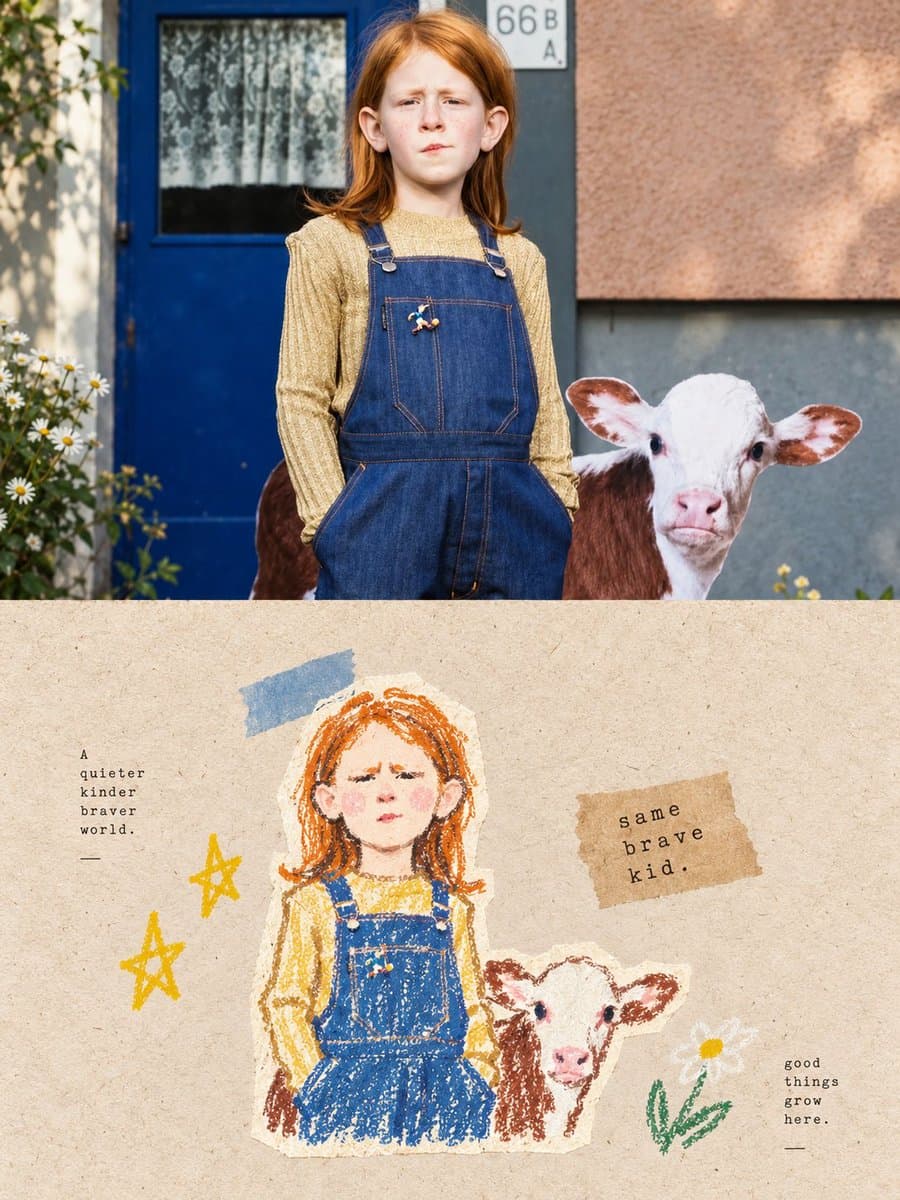
An artistic prompt that transforms uploaded photos into high-end posters featuring vintage paper textures, pastel doodle illustrations, and minimalist typography.
Prompt
Please turn each photo I upload into a separate premium design poster...Use an overall vertical {argument name="构图比例" default="3:4"} composition, with the upper and lower sections in a strict 1:1 height ratio, each occupying 50% of the canv
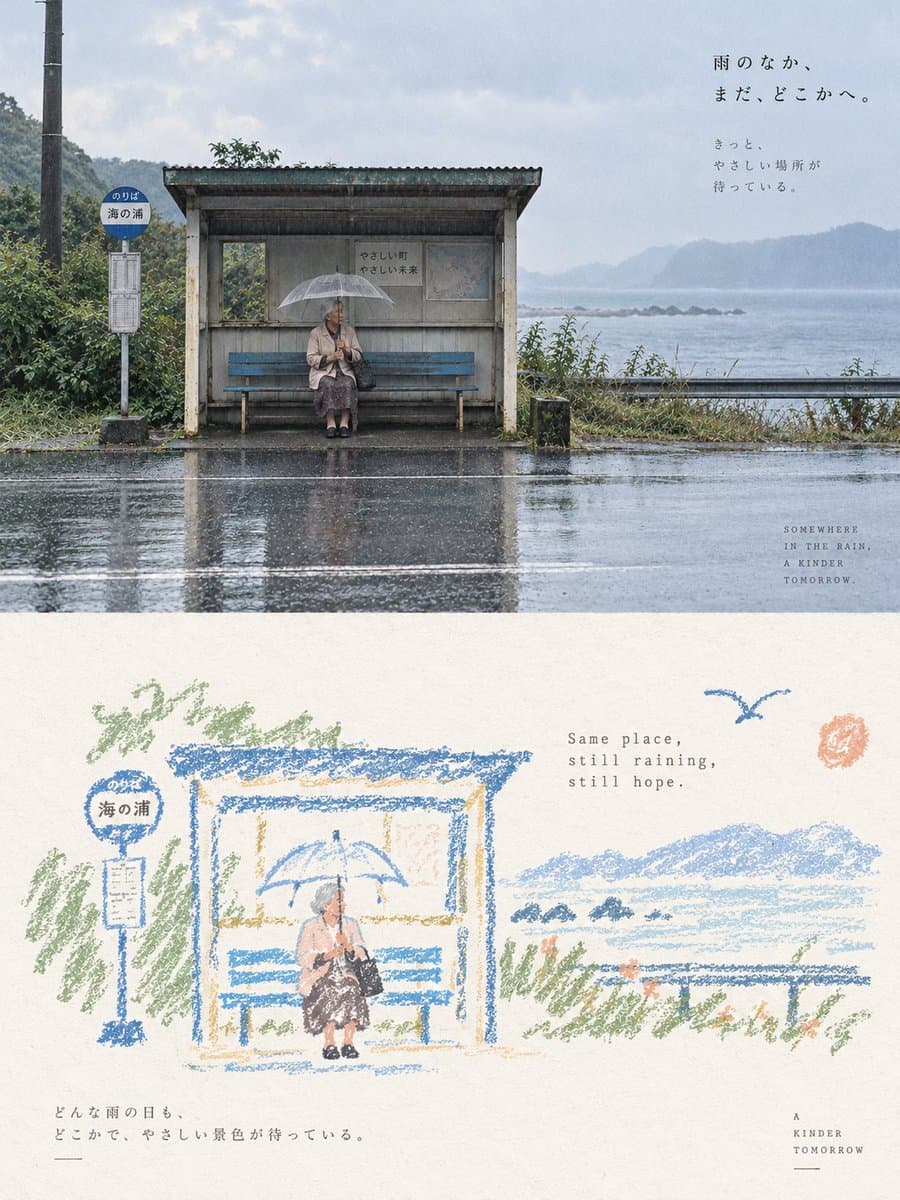
A comprehensive prompt for creating premium, soothing aesthetic posters in a vintage crayon and pastel style, transforming photos into artwork through a distinctive top-and-bottom split layout.
Prompt
Turn each photo I upload into a separate, premium-designed poster. Do not combine multiple images; output each photo individually. Use an overall {argument name="Composition Ratio" default="3:4 vertical composition"}, with the upper and low
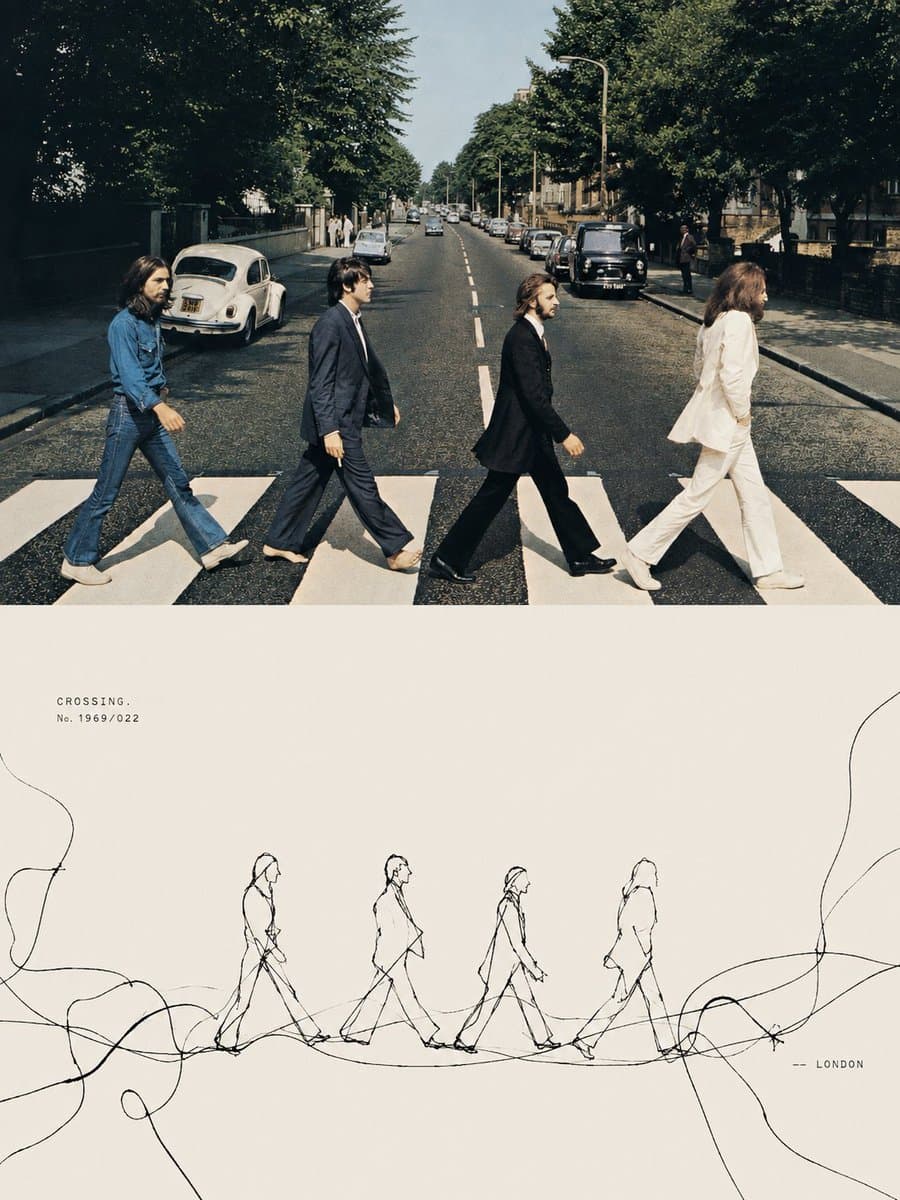
A creative prompt that divides a poster into two sections: the top half retains the original photograph, while the bottom half is reimagined as minimalist conceptual line art.
Prompt
Please turn each photo I upload into a separate premium design poster. Do not create multi-image collages; output each photo separately. Use an overall 3:4 vertical composition, with the upper and lower sections in a strict 1:1 height ratio
Same creator
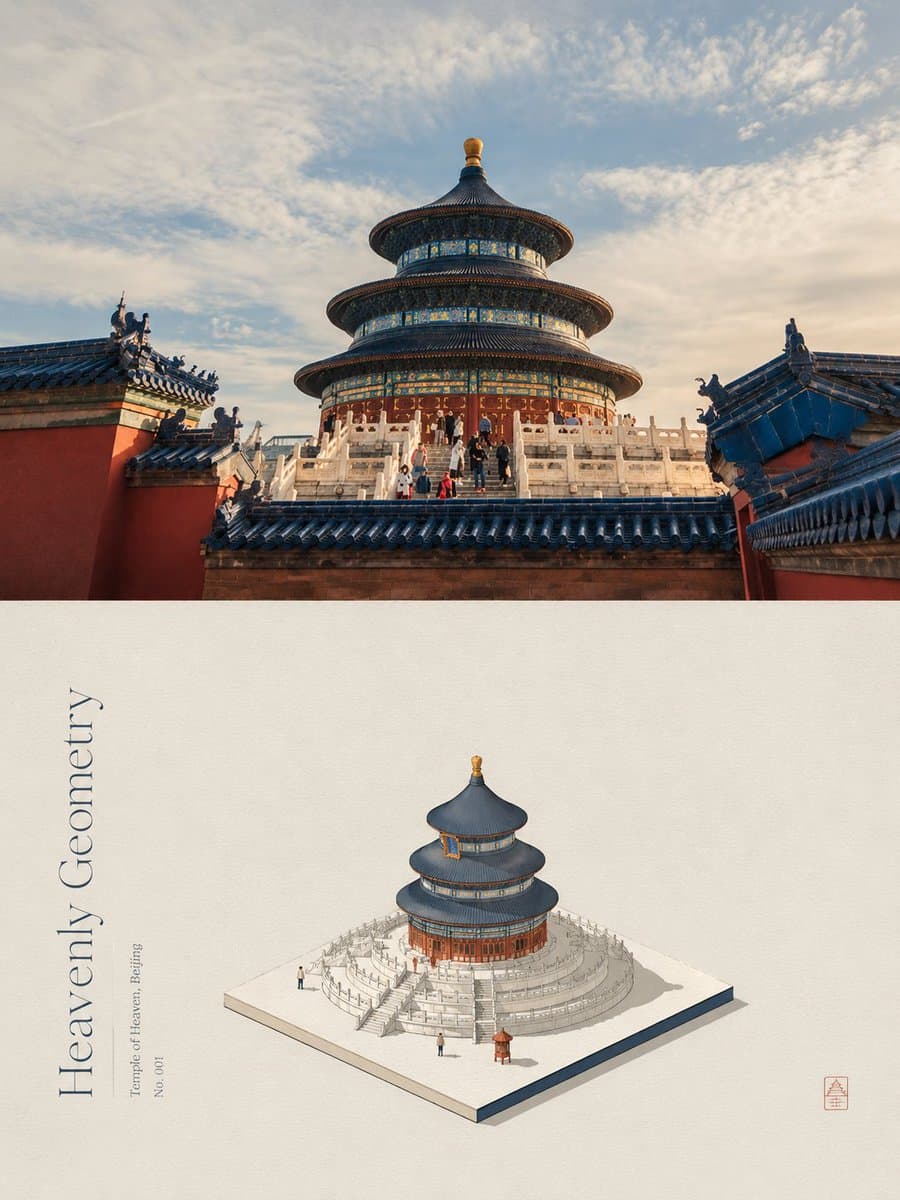 Isometric Miniature Model PosterAI Image · GPT Image 2 · 2026-08-30
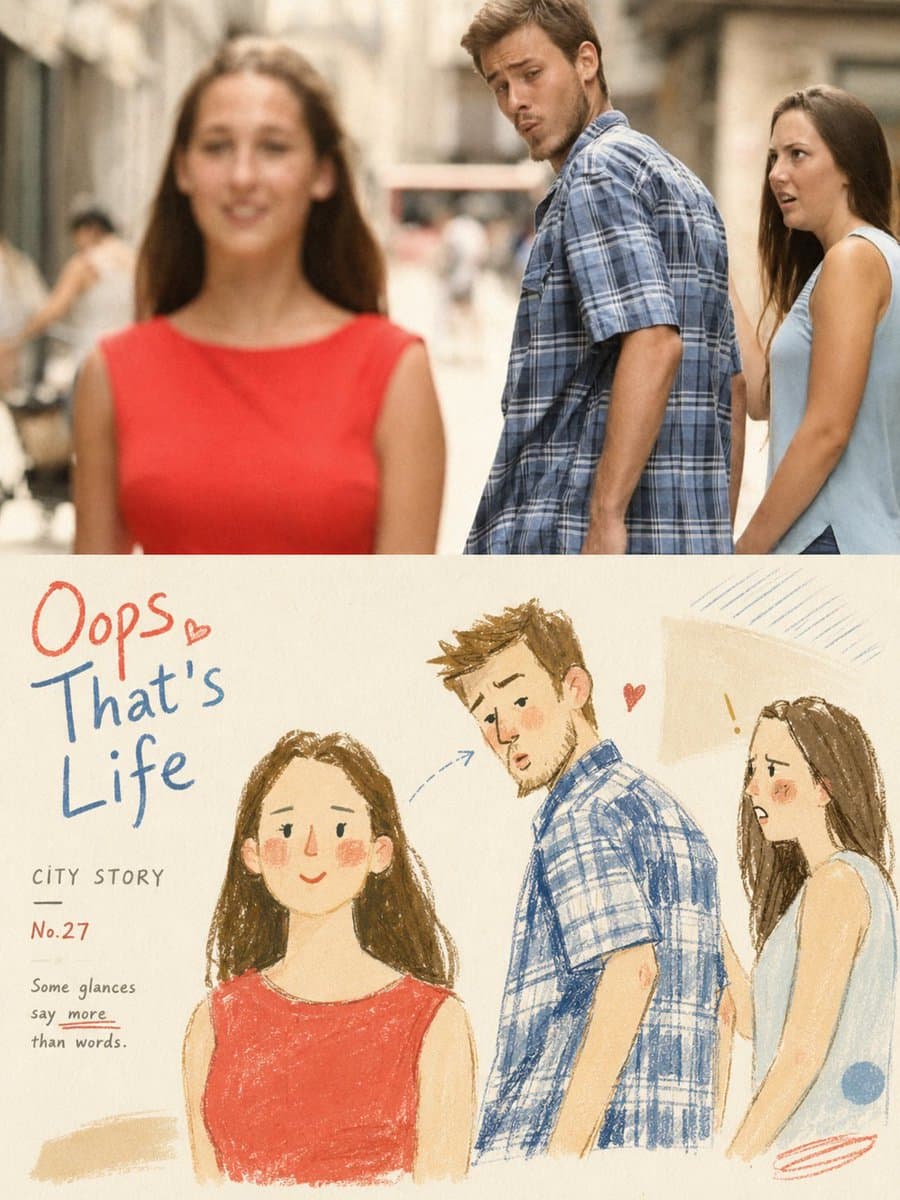 Watercolor-Style Editorial Illustration PosterAI Image · GPT Image 2 · 2026-08-30
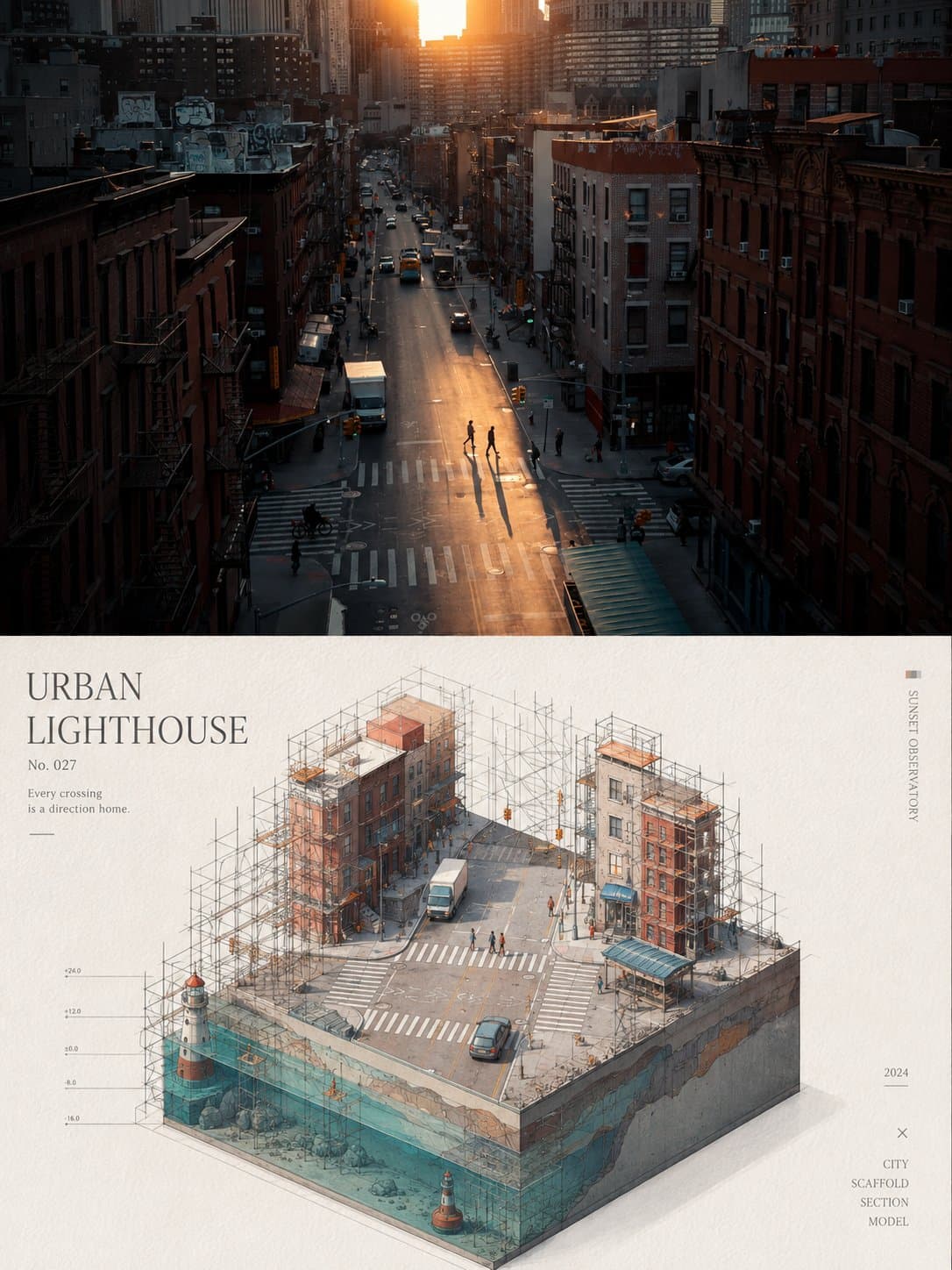 GPT Image 2 × Scaffolding Aesthetics × Isometric Miniature Architectural Landscape Poster Prompt VOL.073AI Image · GPT Image 2 · 2026-09-06
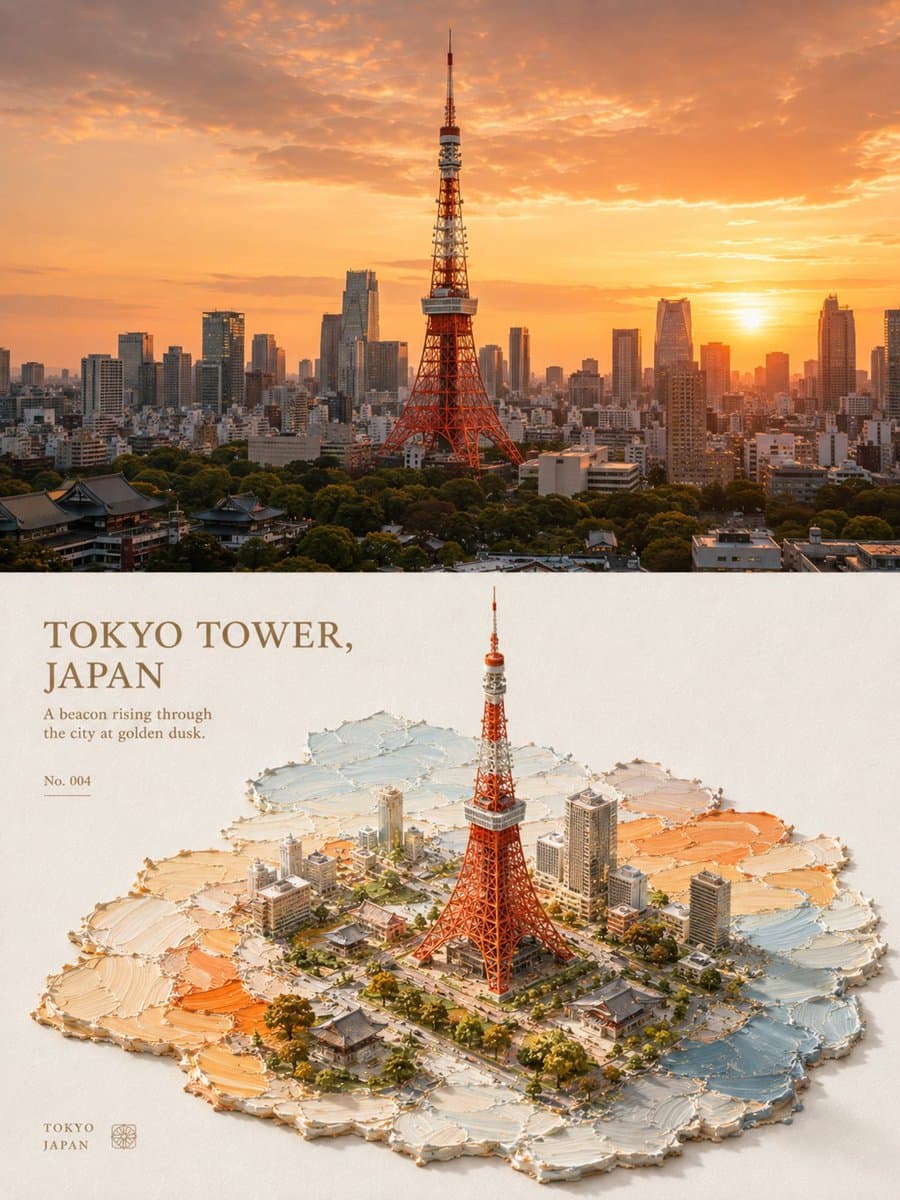 3D Isometric Impasto Oil Painting PosterAI Image · GPT Image 2 · 2026-09-01
 Healing Geometric Art PosterAI Image · GPT Image 2 · 2026-09-06
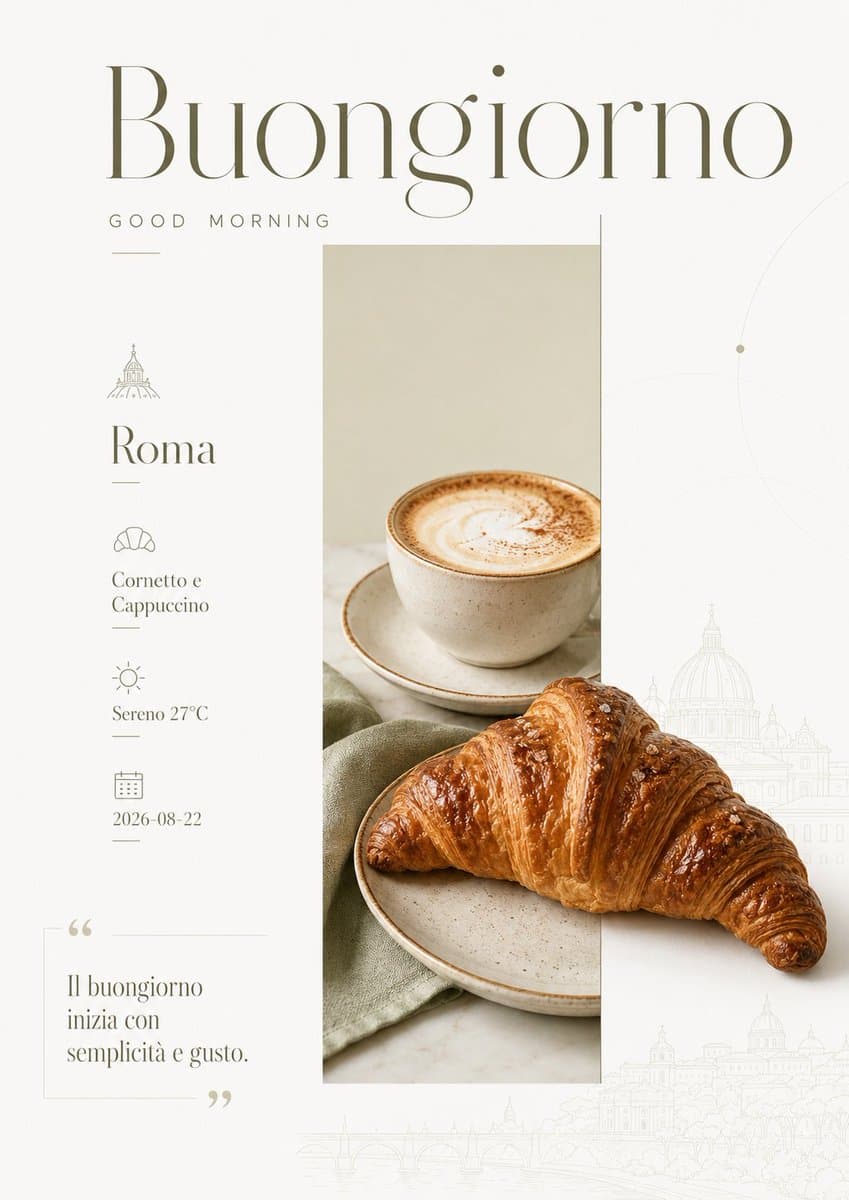 Minimalist Commercial Poster with a Geometric WindowAI Image · GPT Image 2 · 2026-09-01
Same model
 Six Flash Portraits of a Young Portuguese WomanAI Image · GPT Image 2.5 · 2026-10-23
 Portrait of a Curly-Haired Woman in Champagne Gown and Floral PearlsAI Image · GPT Image 2.5 · 2026-10-21White-Backdrop Portrait of a Young Woman in a Brown JacketAI Image · GPT Image 2.5 · 2026-10-21GPT Image 2.5:年轻成年东方少女,精致 BJD 立体五官,AI Image · GPT Image 2.5 · 2026-10-21
 Half-Length Portrait of a Stern Man in a Plaid Suit, Hand at ChinAI Image · GPT Image 2.5 · 2026-10-21A Stern Asian Man in a Shirt and Tie in a White StudioAI Image · GPT Image 2.5 · 2026-10-21
Each detail page keeps the original result, the prompt, and retest evidence in one reading path.