

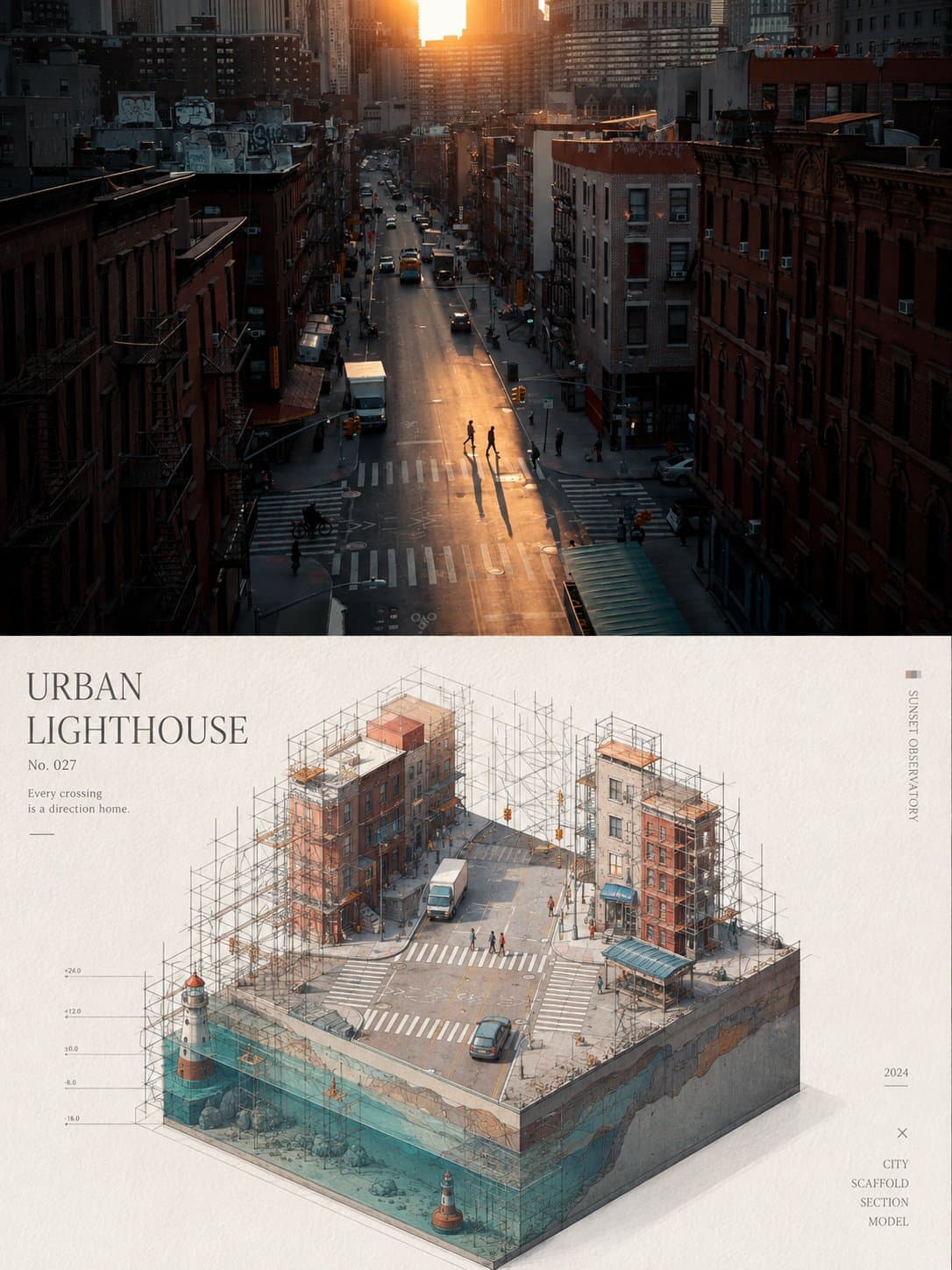
Loading…
Loading…
Creator · xiaoxiaodong01
View original source ↗Turn each photo I upload into a separate high-end design poster. Do not combine multiple images; output each photo individually. Use an overall 3:4 vertical composition, with the upper and lower sections in a strict 1:1 height ratio, each occupying 50% of the canvas.
Preserve the original photo in the upper half, maintaining the subject’s identity, structure, pose, realistic texture, natural lighting and shadows, and original color atmosphere. Apply only subtle, sophisticated color grading to give it the visual quality of an art magazine, independent publication, or exhibition image. You may naturally extend the surrounding background to fit the aspect ratio, but do not stretch, distort, or alter the subject.
In the lower half, extract the photo subject’s most recognizable **silhouette, structure, pose, and narrative relationships**, and reconstruct them as a minimalist artwork in a **3D miniature architectural landscape** style. Present it using an **isometric view / cut cube composition / perspective of an underwater continental shelf**, with the subject appearing as a dissected miniature three-dimensional scene featuring accurate isometric perspective and clear spatial hierarchy. Center the overall concept on a **miniature lighthouse landscape**. Adapt it flexibly according to the defining characteristics of the original subject, but preserve instant recognizability and the original narrative relationships.
The lower half should not be a photorealistic illustration. Instead, compress the subject into an abstract expression of **simple geometric forms, flat color blocks, fine lines, and negative space**. Retain a moderately rich level of structural detail within the minimalist treatment, combining the feel of an architectural diagram with that of an art poster. The subject should resemble a miniature three-dimensional model placed on white textured paper, with the character of a **hand-drawn architectural illustration**: precise lines, clear layers, and restrained yet accurate details. Avoid heavy photorealistic rendering.
Incorporate a clear **scaffolding logic** into the image, based on the reference image you provided. The scaffolding should not be arbitrary decoration, but a rational system that wraps, supports, constructs, or intervenes in the subject’s structure, forming a shared spatial order with the subject. It may consist of dense horizontal and vertical members with localized connection nodes, arranged around the subject’s outer contours, key transitions, or three-dimensional cutaway surfaces. It should evoke a sense of the subject being “constructed, restored, surveyed, or displayed.” The view must be accurate, with clear perspective relationships; do not render it as a floating collage.
Keep the **subject centered, the composition balanced, and the visual order restrained**, using a small number of horizontal lines, vertical compositional lines, circular elements, or sectional boundaries to enhance spatial depth. Use **white textured paper or a very pale off-white paper surface** as the background. Keep it clean and quiet, with no shadows or only extremely subtle structural depth; avoid heavy cast shadows. Preserve ample negative space so the subject appears suspended within the layout of an exhibition catalog or architectural research poster.
Draw color inspiration from the photo above, but reinterpret it as a **brighter, clearer, soothing, vibrant, and sophisticated** palette rather than directly copying the original color values. Preserve the original hue cues while moderately increasing brightness and purity and reducing grayness, making the colors livelier and lighter. You may create a soft yet vivid combined palette of clear blue, aqua, fresh green, bright yellow, coral orange, peach pink, pale purple, and similar tones, using warm–cool contrast and tonal rhythm to establish refined depth. Avoid muddy grayness, darkness, an aged appearance, Morandi-style desaturation, cheap candy colors, and a plastic feel.
Text may be used sparingly, adding a concise English title, number, or year, and forming a natural typographic relationship with the subject, scaffolding, or negative space. The typography should be refined, modern, and restrained, resembling editorial annotations found in the work of international design studios, architectural posters, art exhibition posters, and premium brand visual systems. It should not overpower the main subject.
The overall style should convey a **high-end, modern, elegant, restrained, and artistic** visual effect, combining a miniature three-dimensional landscape, architectural section drawing, isometric view, scaffolding system, and minimalist poster layout. Avoid excessive filters, cheap plastic textures, cartoonishness, an overtly computer-generated look, templated effects, incorrect views, and illogical decorative structures.Models & stability
Recommended models
Independent retest evidence
Sep 7, 2026

The requested model is recorded, but the generation receipt did not expose a verifiable underlying model ID.
Keep exploring
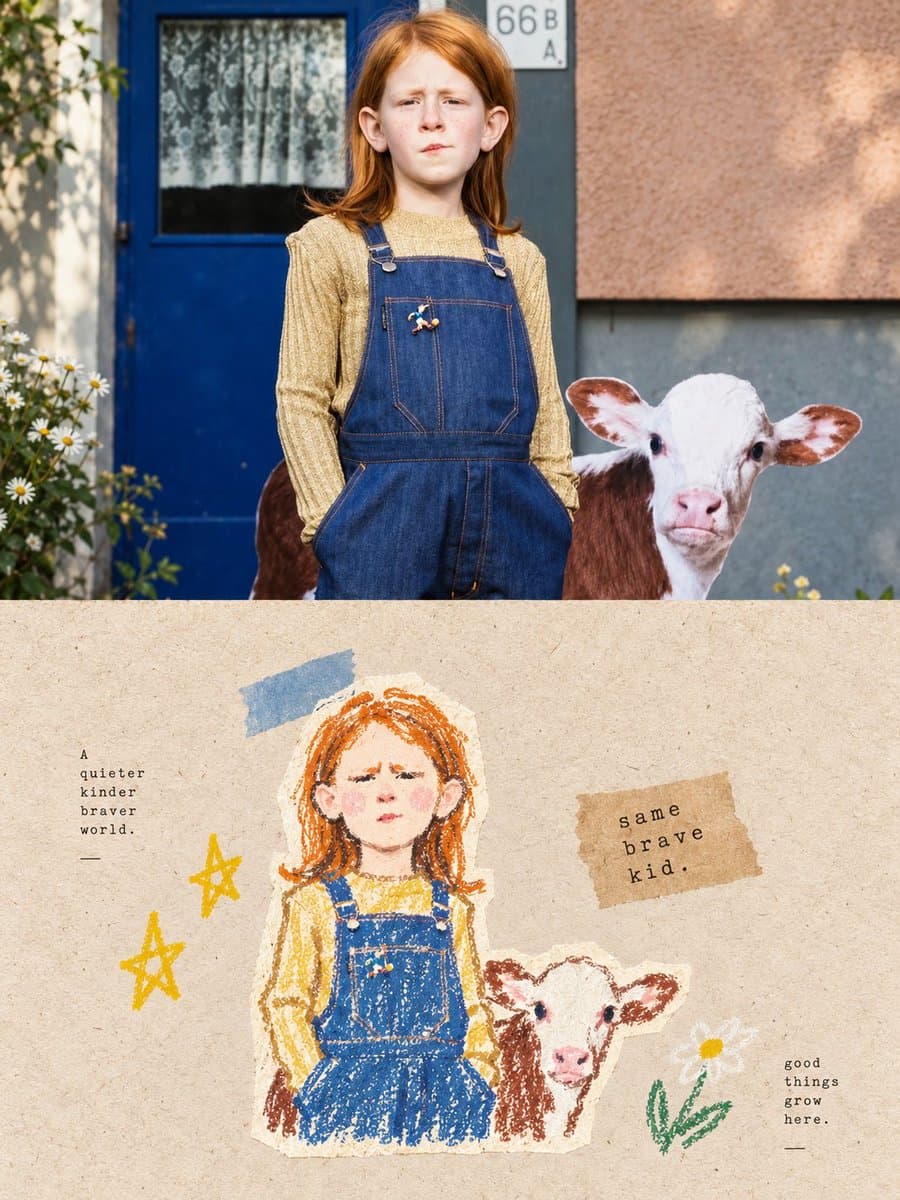
An artistic prompt that transforms uploaded photos into high-end posters featuring vintage paper textures, pastel doodle illustrations, and minimalist typography.
Prompt
Please turn each photo I upload into a separate premium design poster...Use an overall vertical {argument name="构图比例" default="3:4"} composition, with the upper and lower sections in a strict 1:1 height ratio, each occupying 50% of the canv
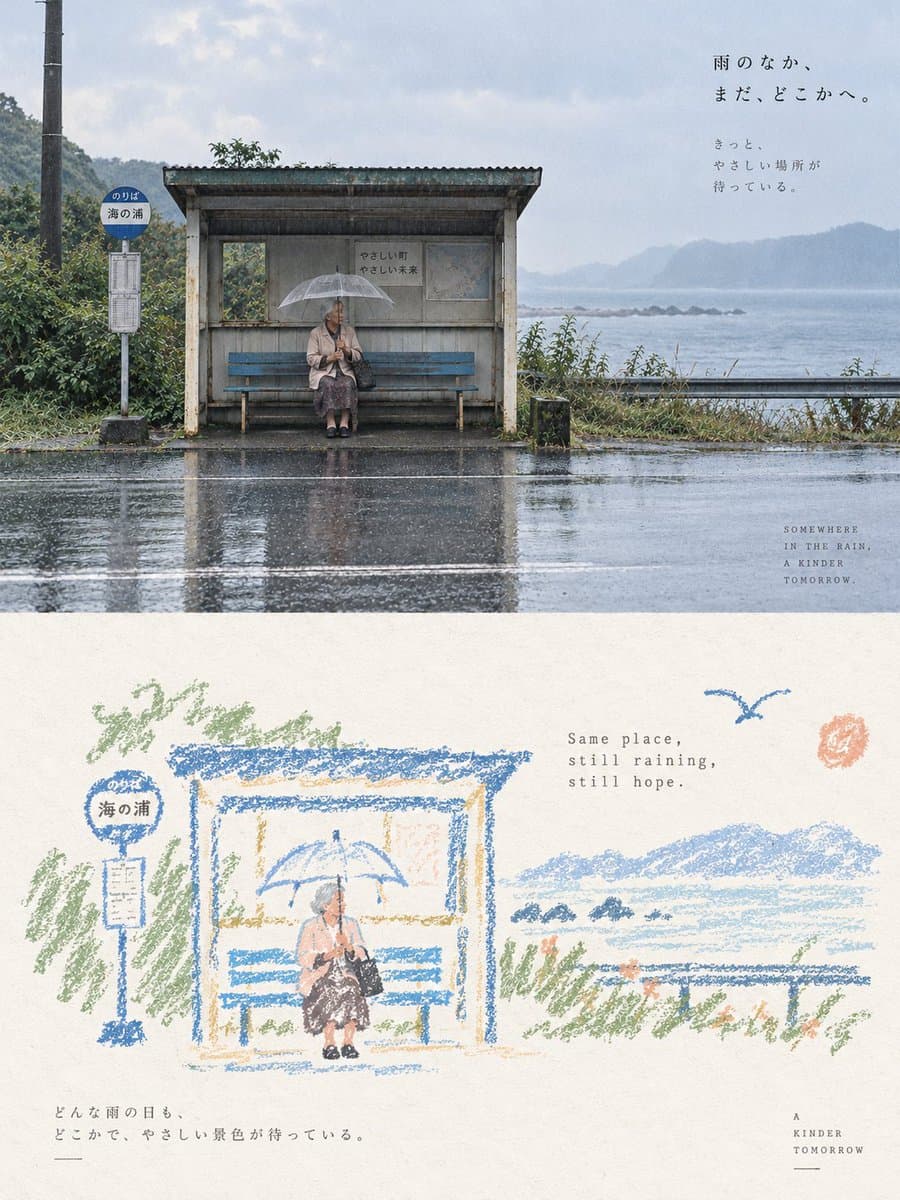
A comprehensive prompt for creating premium, soothing aesthetic posters in a vintage crayon and pastel style, transforming photos into artwork through a distinctive top-and-bottom split layout.
Prompt
Turn each photo I upload into a separate, premium-designed poster. Do not combine multiple images; output each photo individually. Use an overall {argument name="Composition Ratio" default="3:4 vertical composition"}, with the upper and low
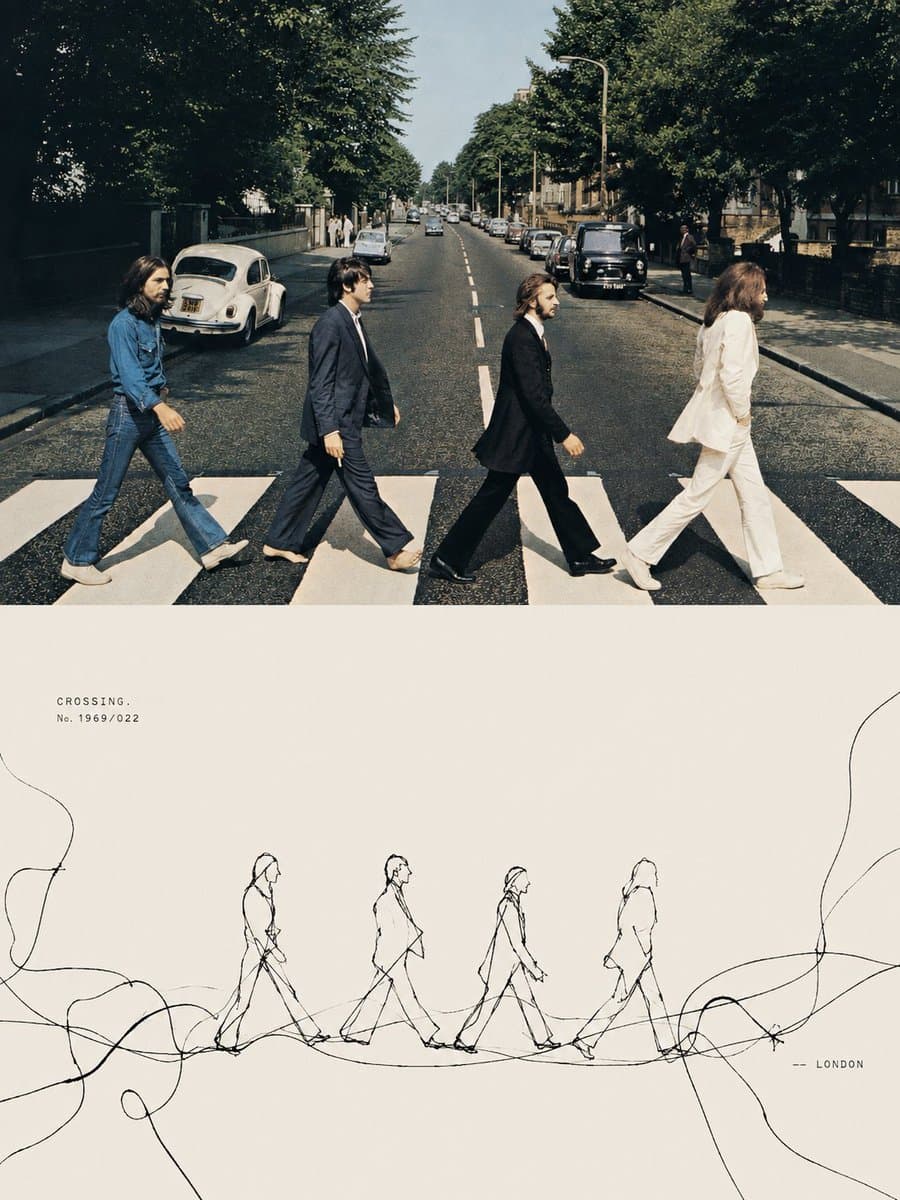
A creative prompt that divides a poster into two sections: the top half retains the original photograph, while the bottom half is reimagined as minimalist conceptual line art.
Prompt
Please turn each photo I upload into a separate premium design poster. Do not create multi-image collages; output each photo separately. Use an overall 3:4 vertical composition, with the upper and lower sections in a strict 1:1 height ratio
Same creator
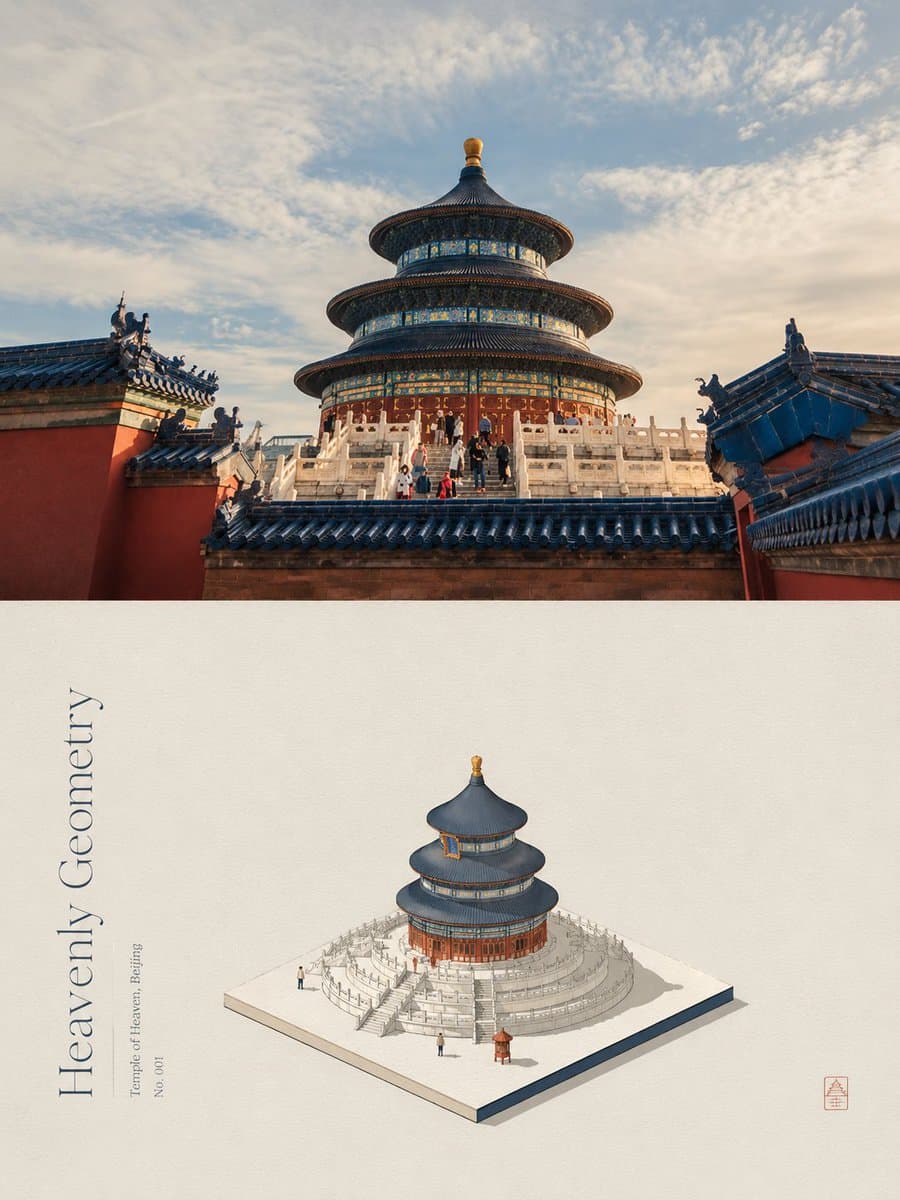 Isometric Miniature Model PosterAI Image · GPT Image 2 · 2026-08-30
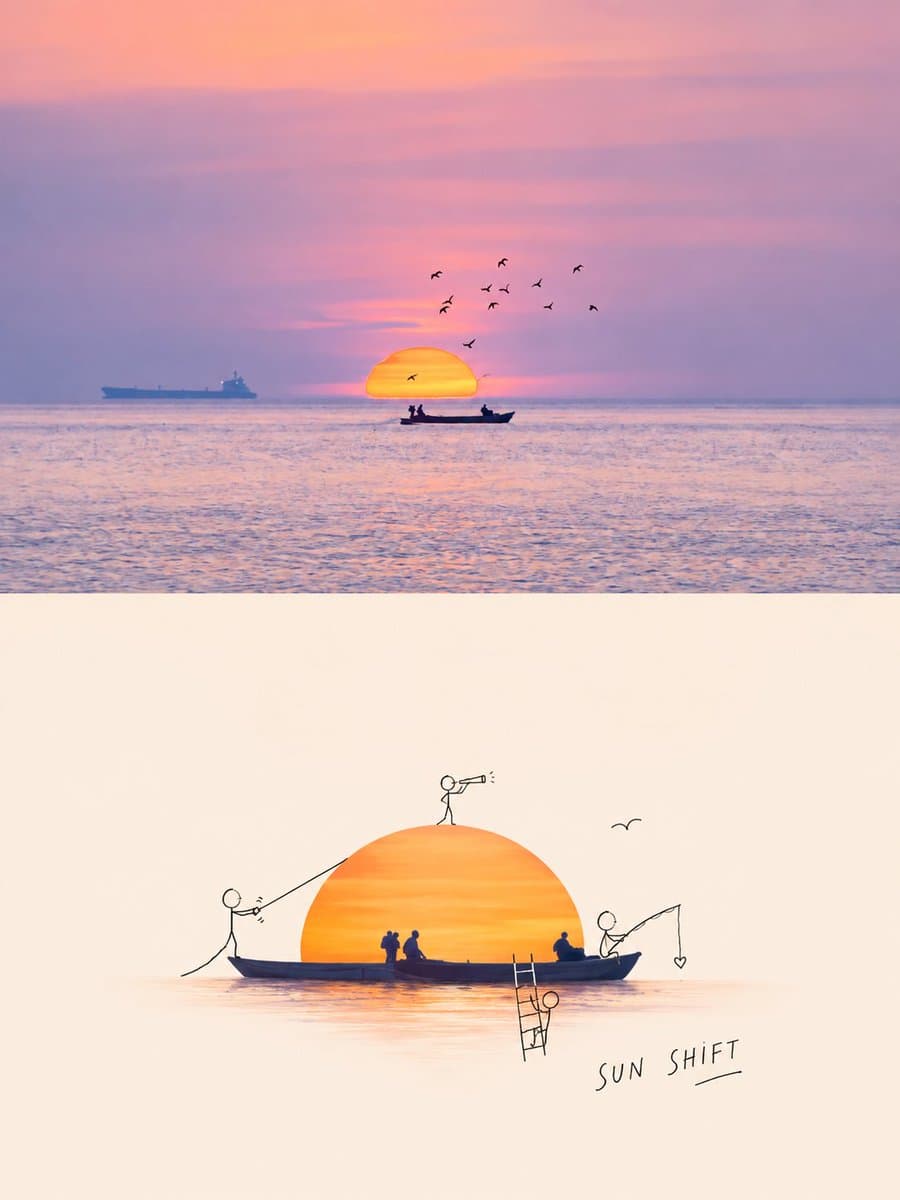 Creative Doodle Poster GeneratorAI Image · GPT Image 2 · 2026-08-30
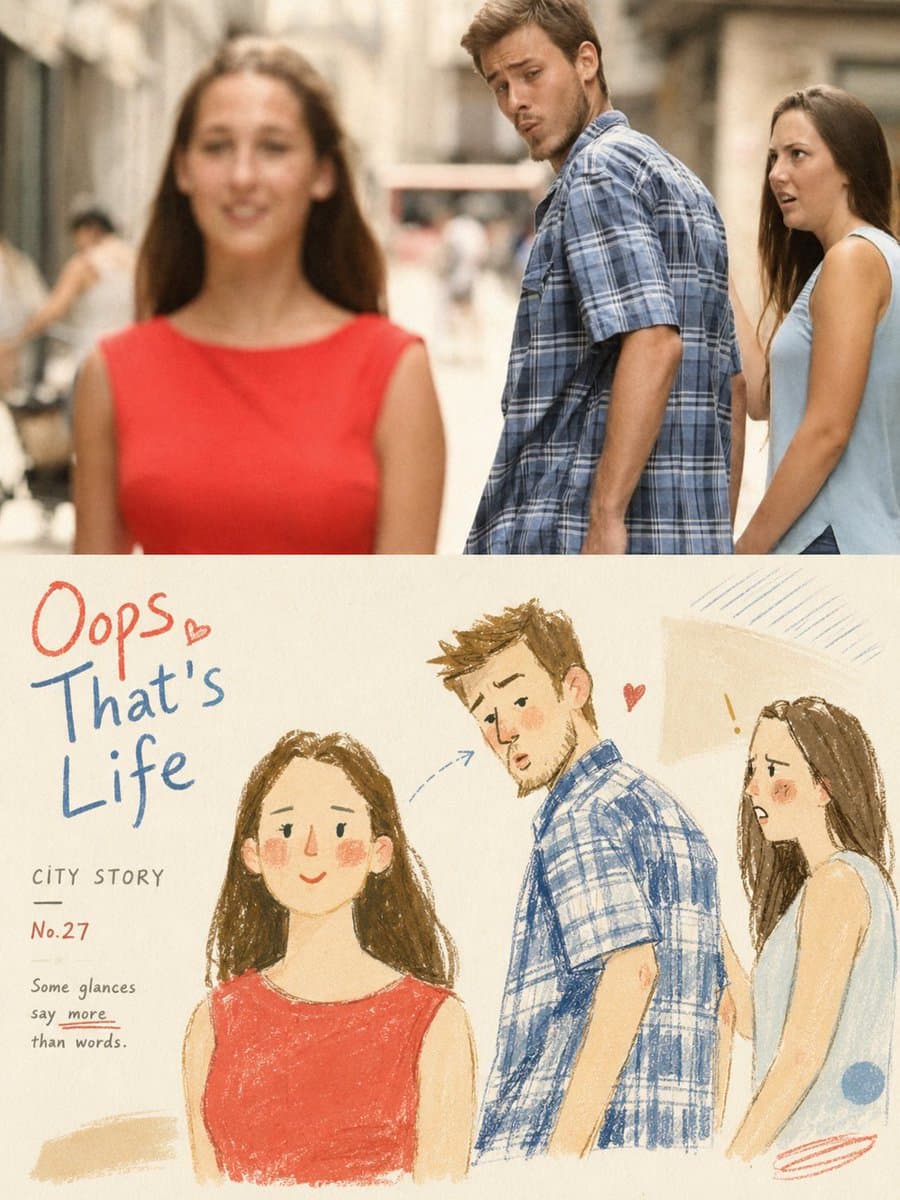 Watercolor-Style Editorial Illustration PosterAI Image · GPT Image 2 · 2026-08-30
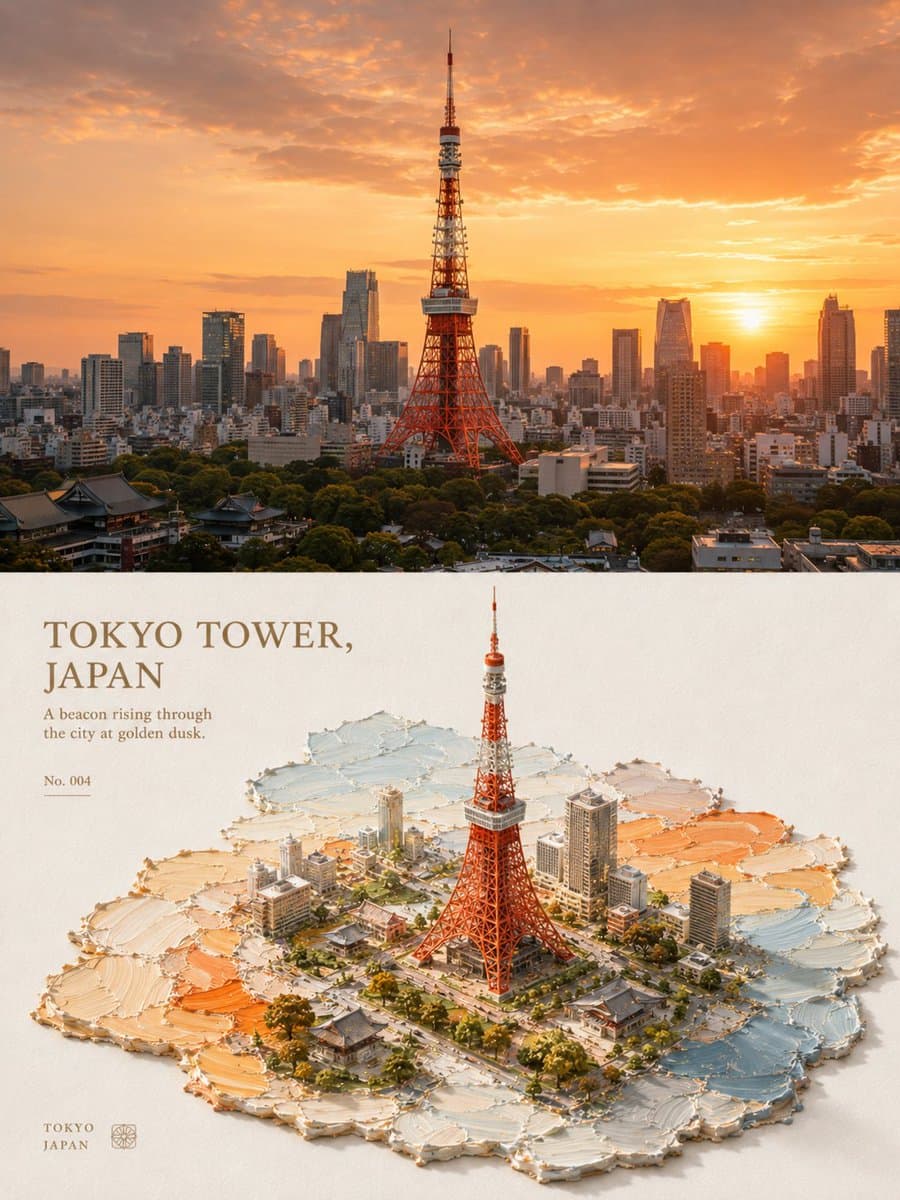 3D Isometric Impasto Oil Painting PosterAI Image · GPT Image 2 · 2026-09-01
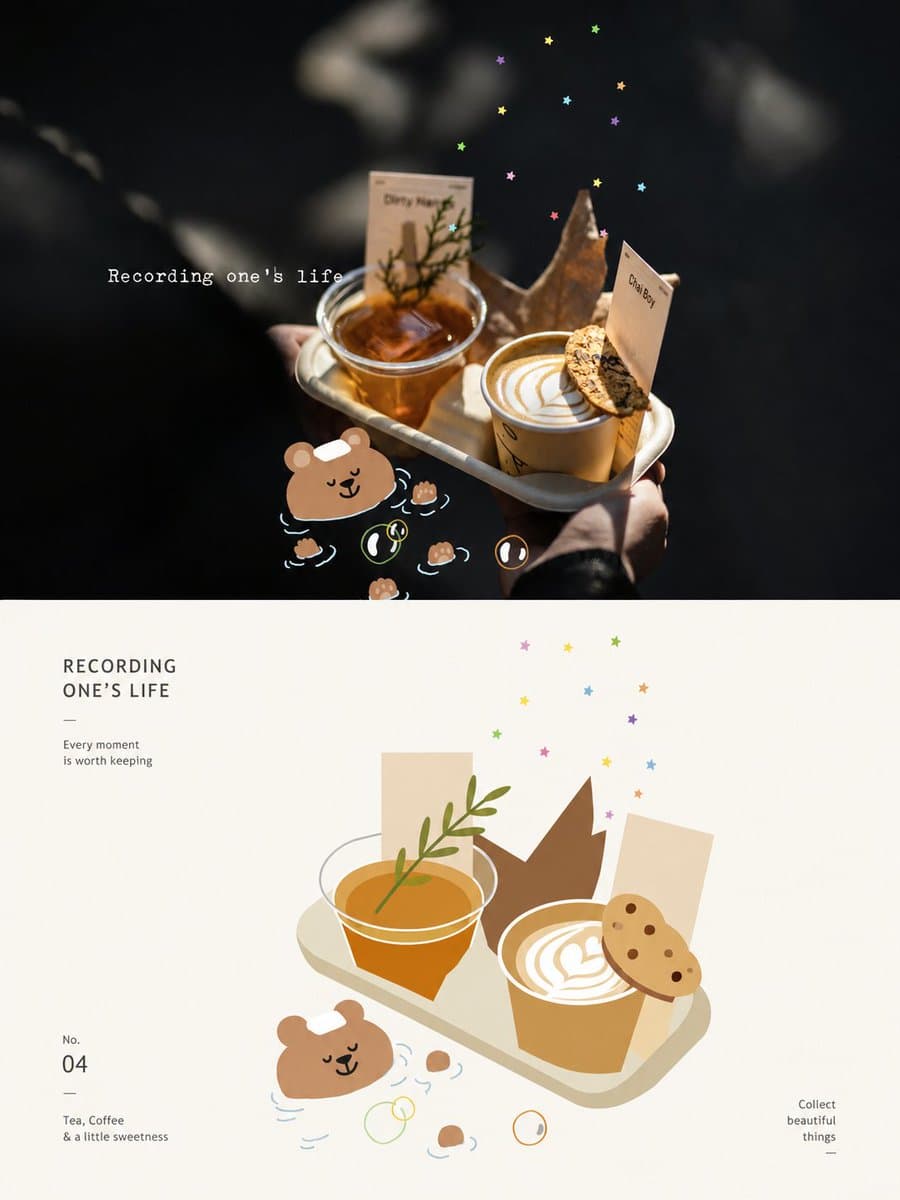 Healing Geometric Art PosterAI Image · GPT Image 2 · 2026-09-06
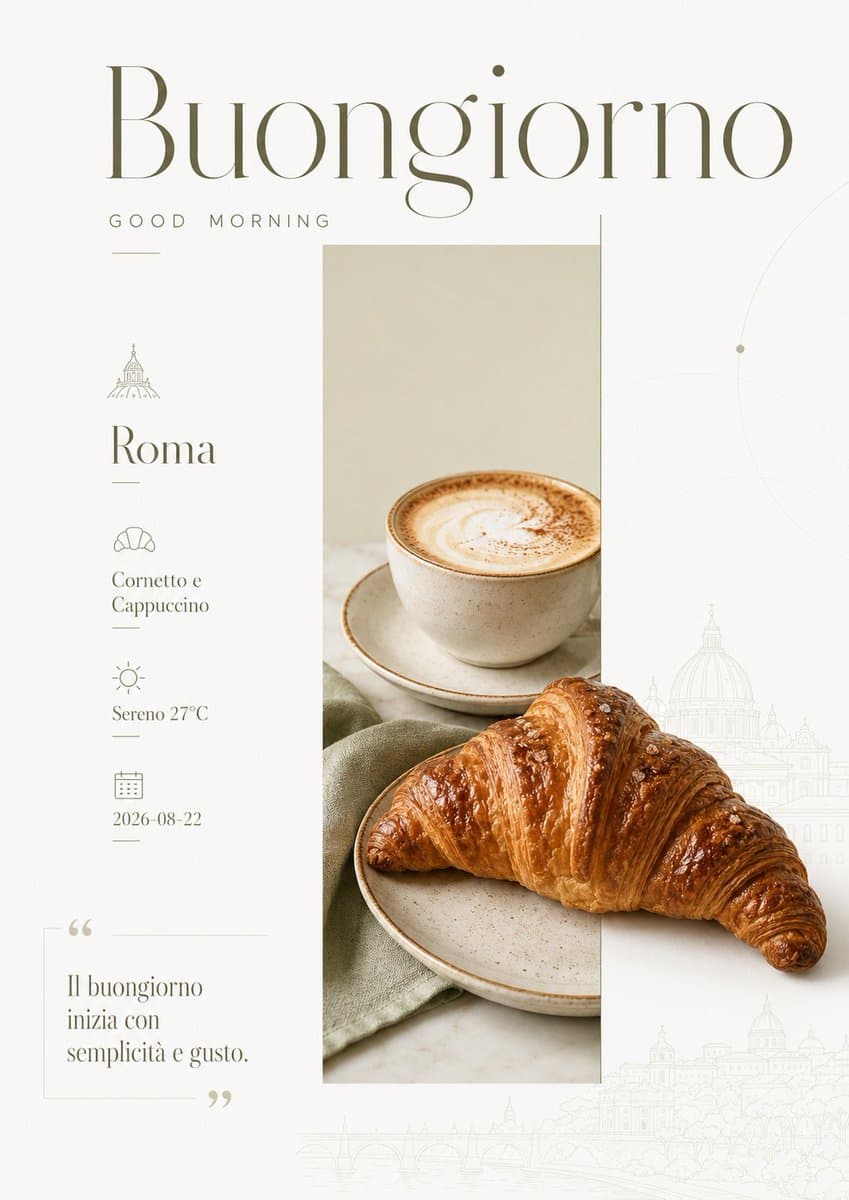 Minimalist Commercial Poster with a Geometric WindowAI Image · GPT Image 2 · 2026-09-01
Same model
 Portrait of a Curly-Haired Woman in Champagne Gown and Floral PearlsAI Image · GPT Image 2.5 · 2026-10-21White-Backdrop Portrait of a Young Woman in a Brown JacketAI Image · GPT Image 2.5 · 2026-10-21GPT Image 2.5:年轻成年东方少女,精致 BJD 立体五官,AI Image · GPT Image 2.5 · 2026-10-21
 Half-Length Portrait of a Stern Man in a Plaid Suit, Hand at ChinAI Image · GPT Image 2.5 · 2026-10-21A Stern Asian Man in a Shirt and Tie in a White StudioAI Image · GPT Image 2.5 · 2026-10-21GPT Image 2.5:成熟亚洲男性,锋利立体骨相,AI Image · GPT Image 2.5 · 2026-10-21
Each detail page keeps the original result, the prompt, and retest evidence in one reading path.