Loading…
Creator · xiaoxiaodong01
View original source ↗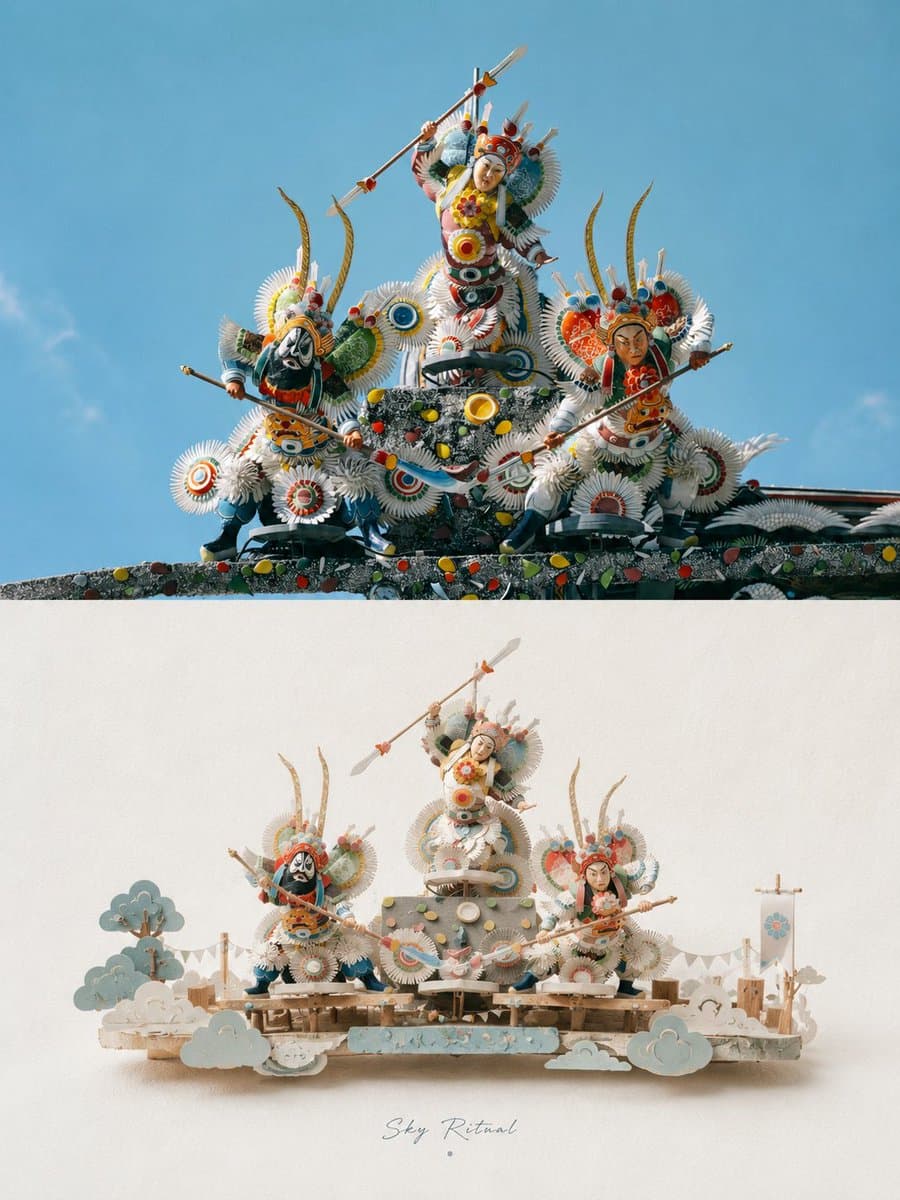
Prompt
Please turn each photo I upload into a separate premium poster design. Do not create multi-image collages; output each photo individually. Use an overall 3:4 vertical composition, with the upper and lower sections in a strict 1:1 height ratio, each occupying 50% of the image.

Keep the original photo in the upper half, preserving the subject’s structure, realistic texture, natural lighting and shadows, and original color atmosphere. Apply only subtle, premium photographic color grading to give it the feel of an art magazine, independent publication, or exhibition photograph. To fit the aspect ratio, you may naturally extend the sky, ground, or environmental background, but do not stretch, distort, or alter the subject.

For the lower half, extract the most recognizable subject, silhouette, pose, and narrative relationships from the photo, then reconstruct them as an exquisite miniature 3D paper-craft scene. Do not mechanically reproduce the photo. Instead, transform the subject and a small number of elements that best reinforce its identity and environmental character into a handmade miniature model crafted from materials such as paper, cardstock, soft clay, and thin wood pieces, naturally arranged on a long, narrow, lightweight floating landscape base.

The subject must remain instantly recognizable. All other elements should serve only as narrative support. Depending on the original image, you may include plants, roads, water, lighting fixtures, vehicles, people, birds, clouds, or other representative details of everyday life, but they must be genuinely relevant to the original theme and must not be added as meaningless clutter.

Base the composition on one central subject + one horizontal miniature landscape strip + ample negative space. Adjust height, depth, density, and left-right visual balance according to the subject’s scale, direction, and spatial relationships, making the scene feel like a carefully displayed miniature art installation. Create depth through changes in scale, layered occlusion, and small foreground and background elements. The main subject should carry the greatest visual weight, while supporting models remain smaller and less visually prominent. Keep the overall composition centered but not overly symmetrical, maintaining a light, refined, and calm visual rhythm.

Continue using a soft, airy, slightly desaturated premium color palette: establish the main atmosphere with pale pink-blue, mist blue, sky blue, and airy cool blues; balance it with ivory, cream white, light beige, soft gray-green, sage green, and neutral architectural tones; and use only small touches of dusty rose or muted blush as accents. Keep the colors soft yet clean, avoiding muddy grays, excessive yellowing, or candy-like hues. Let subtle color differences between paper layers naturally define spatial relationships.

Emphasize authentic handmade textures, with visible paper fibers, folded edges, cut lines, layered thickness, slight fraying, and tiny crafting imperfections. Use soft, natural diffused light and delicate shadows to convey the miniature model’s realistic volume and layering, with the intimate close-up quality of macro photography. Keep the background soft white or an extremely pale paper surface, with generous clean negative space, so the entire lower half resembles a carefully photographed premium handmade travel postcard.

Integrate the text into the miniature paper-craft language as well. Derive a short English title from the photo’s location, the subject’s identity, theme, or mood; it does not have to be a city name. Use small, refined lettering with a subtle handwritten feel. Preferably place it in the negative space beneath the landscape strip, though it may also curve slightly, run along the base, or spatially echo the miniature scene depending on the relationship with the subject. Keep the text minimal, elegant, and restrained. Do not add lengthy descriptions; it should feel like an artist’s signature rather than a commercial headline.

The overall image should embody the premium visual character of a miniature diorama, handcrafted paper art, whimsical 3D illustration, and premium travel postcard: light, gentle, refined, tactile, and full of life, while maintaining clear design order and ample breathing room. Whether the original image features a person, animal, plant, building, object, vehicle, or natural landscape, preserve a clear and clever visual correspondence between the real photograph and the miniature handmade world. Avoid plastic-looking 3D, a toy-like appearance, a children’s craft aesthetic, overly complex clutter, excessive cuteness, and an e-commerce product-display feel.
Models & stability
Recommended models
Keep exploring
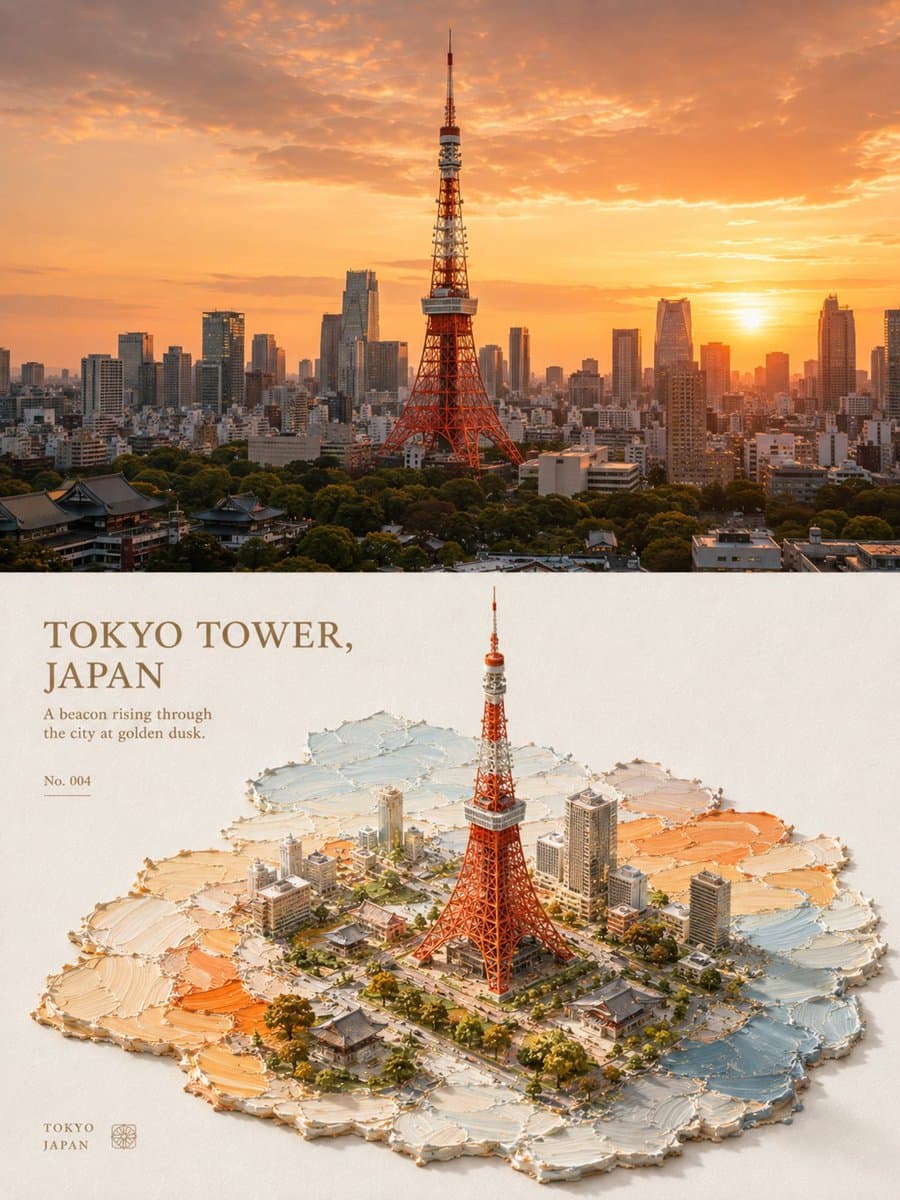
An aesthetic prompt that transforms photos into 3D isometric miniature landscapes using impasto oil painting and palette-knife techniques, creating a richly tactile, handcrafted texture on paper.
Prompt
Please turn each photo I upload into a separate premium design poster. Do not combine multiple images; output each photo individually. Use an overall 3:4 vertical composition, divided into upper and lower sections with a strict 1:1 height r

A detailed 3D CG render depicting an oriental fantasy girl with long mint-green hair, using high-quality PBR materials, with a dreamy garden background.
Prompt
9:16 vertical format, high-precision 3D CG oriental fantasy sweet-cool girl character poster, 3D CG oriental fantasy girl character portrait, anime-style 3D CG character art, semi-realistic 3D character render, full body portrait. The main
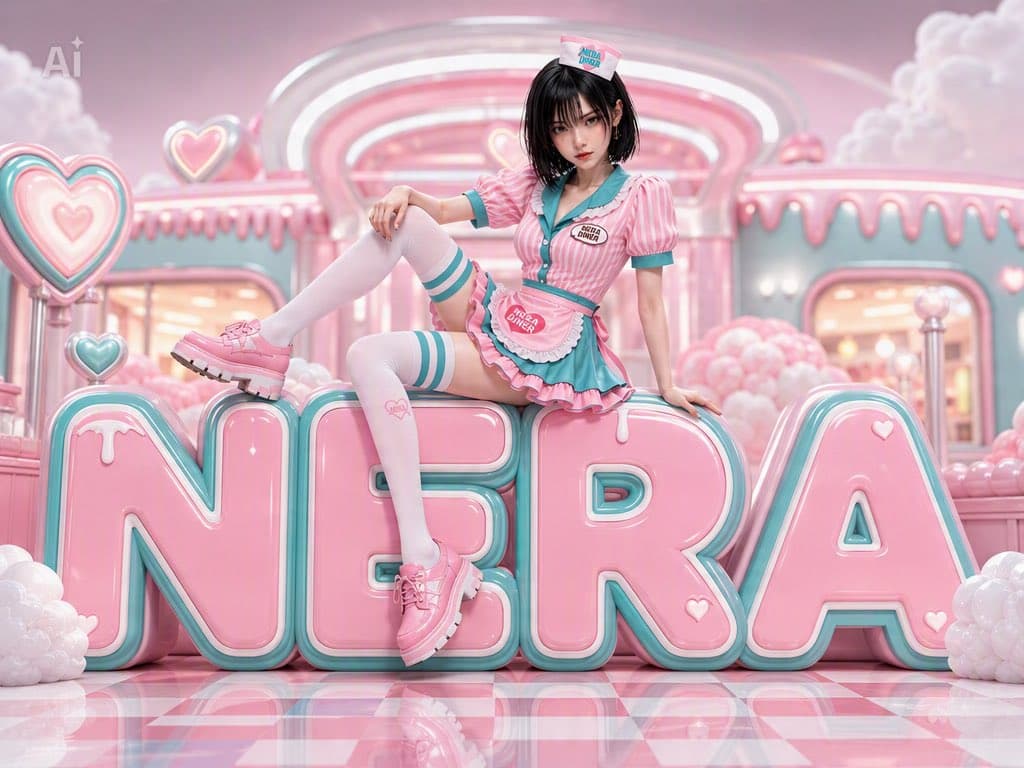
A specialized prompt that creates a large 3D text object based on a character's design, incorporating the character into the scene.
Prompt
Use the attached image as the most important reference. The uploaded character must be the main subject. Preserve the face, hairstyle, hair color, eyes, outfit, body type, accessories, art style, and apparent age. Create {argument name="名