

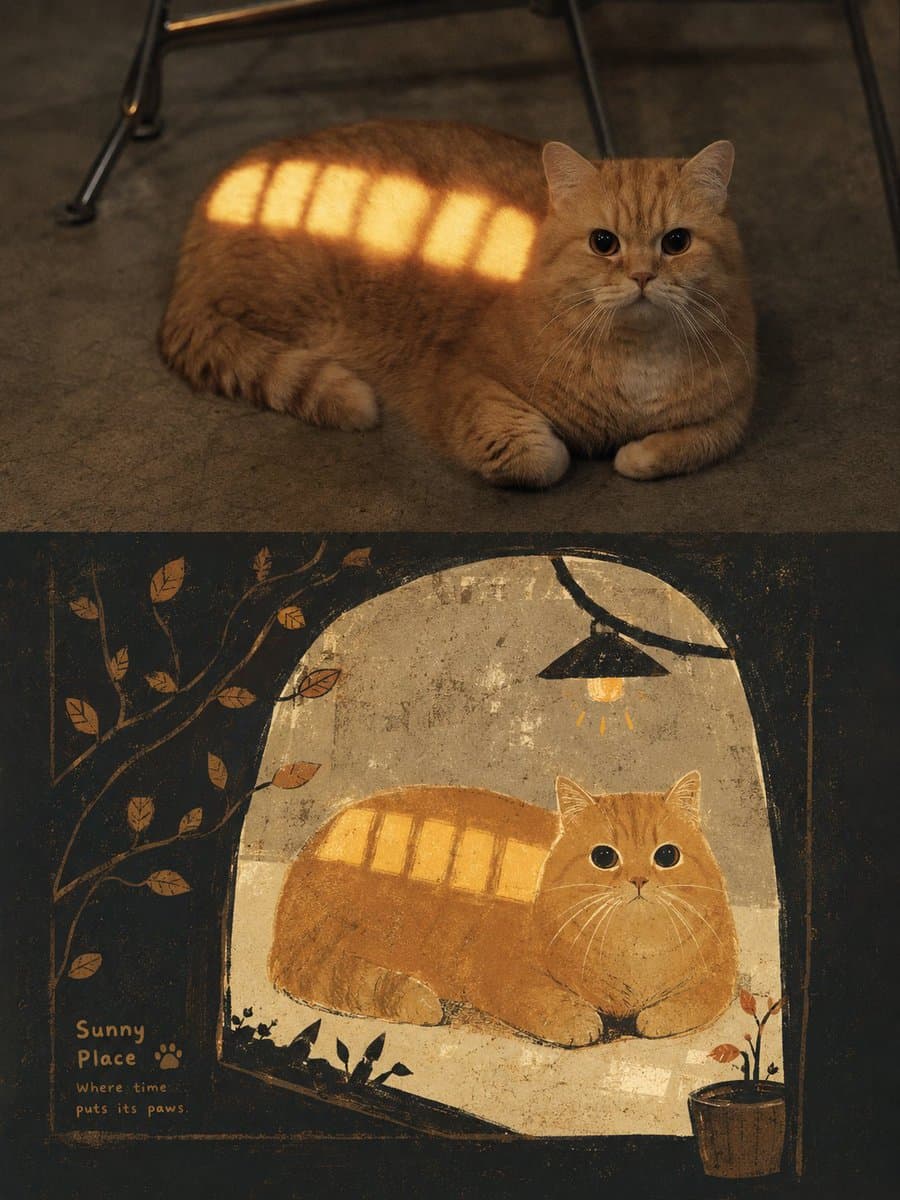
Loading…
Loading…
Creator · xiaoxiaodong01
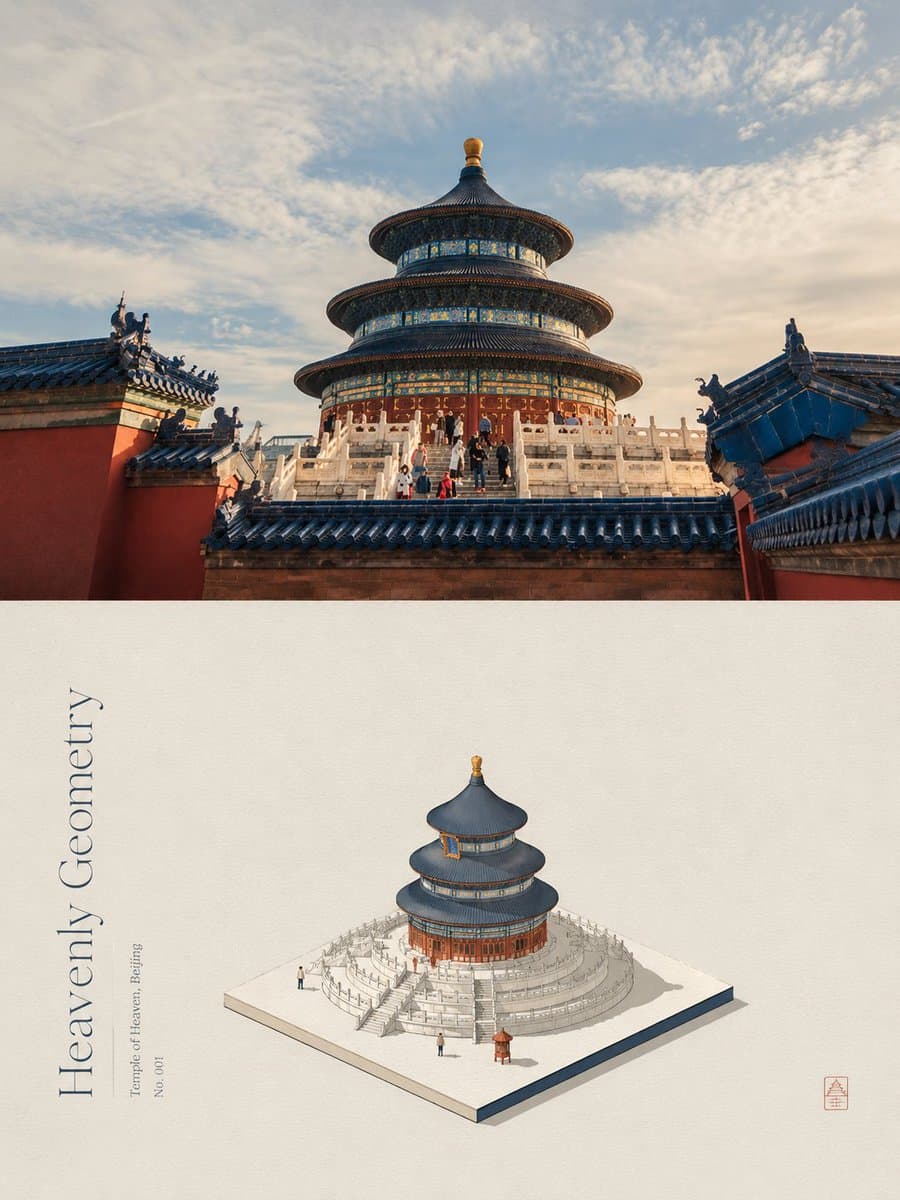
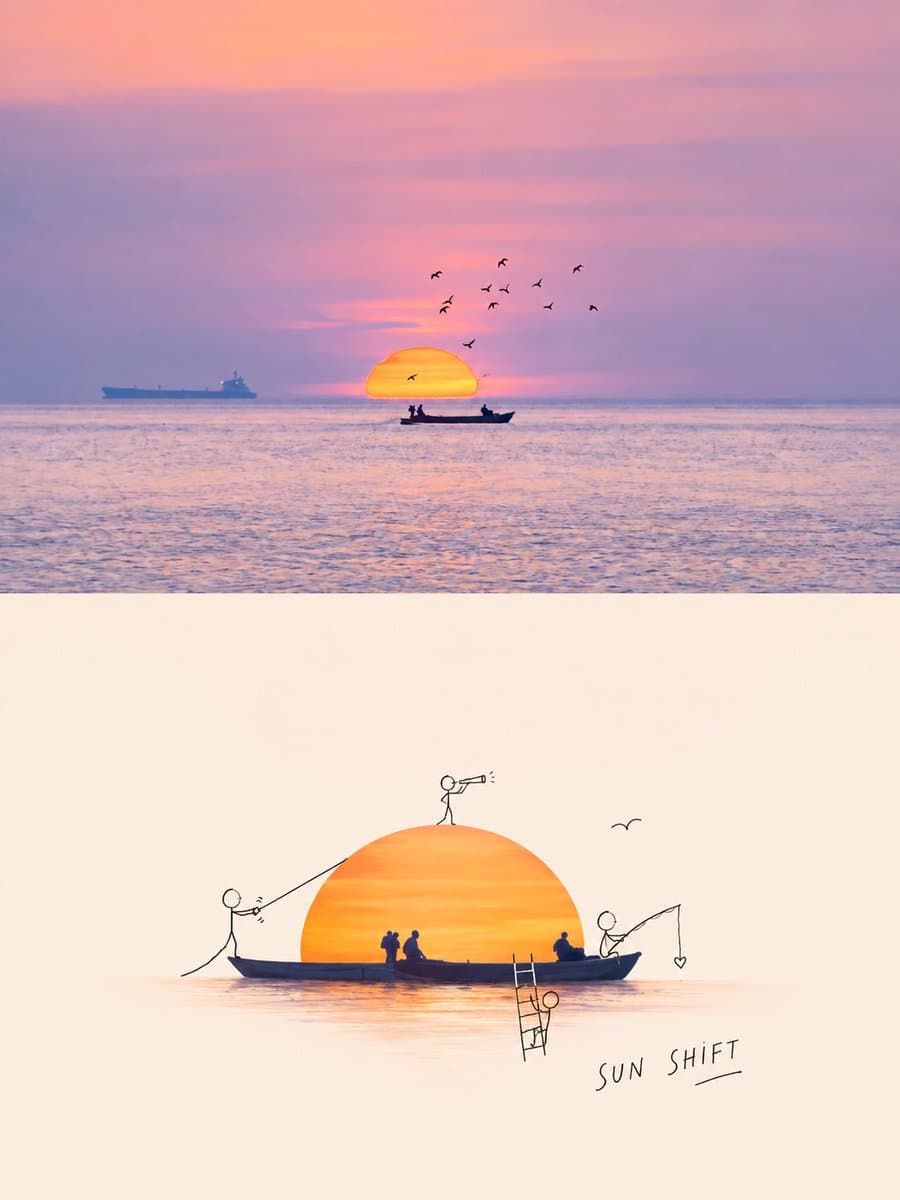
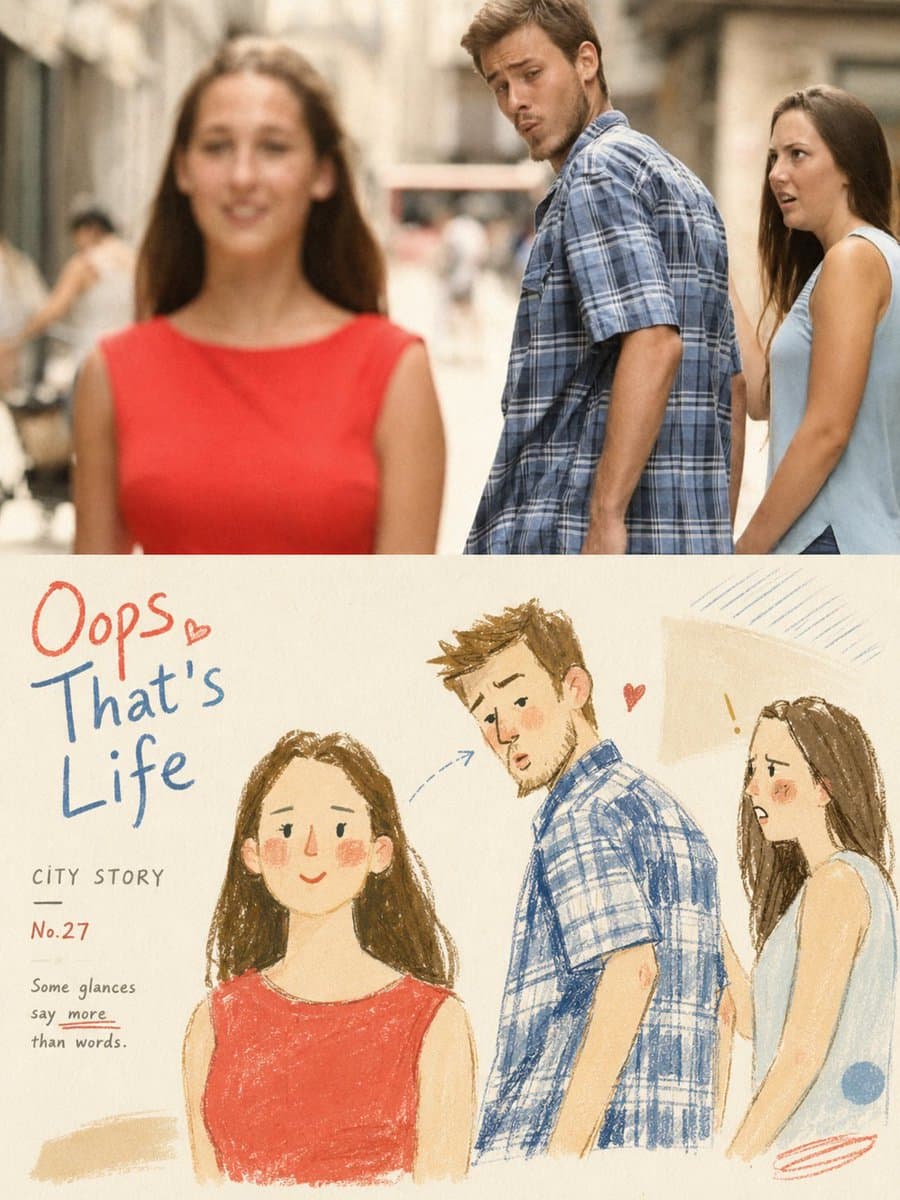
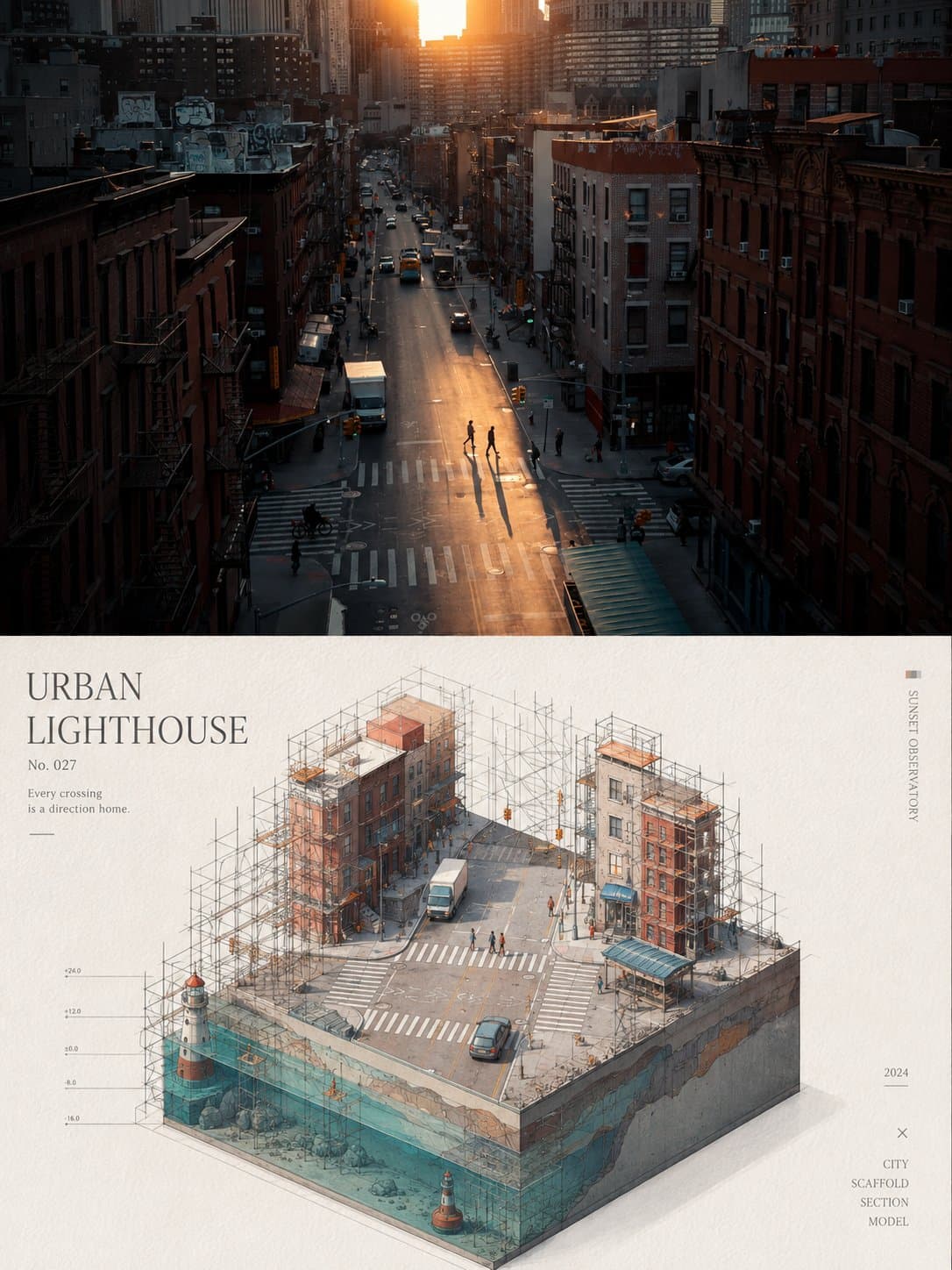
View original source ↗Turn each photo I upload into a separate premium-designed poster. Do not combine multiple images; output each photo separately. Use an overall 3:4 vertical composition, with the upper and lower sections in a strict 1:1 height ratio, each occupying 50% of the image. Ensure that this approach can accommodate different subjects, including people, animals, buildings, still lifes, and natural scenes, rather than being limited to urban themes.
Preserve the original photo in the upper half, maintaining the subject’s identity, action, spatial relationships, realistic texture, natural lighting, and original color atmosphere. Apply only subtle, sophisticated photographic color grading to give it the quality of magazine photography and an art publication. The sky, ground, or surrounding environment may be naturally extended to fit the aspect ratio, but the subject must not be stretched, sheared, or altered.
In the lower half, extract the photo’s most recognizable subject, silhouette, pose, and narrative relationships, and reconstruct them as a hand-drawn fairy-tale print. Do not mechanically trace details. Instead, compress the subject into one or two clear large shapes, using blunt silhouettes, slightly exaggerated proportions, and a small number of key edges to preserve the original object’s identity, action, function, and emotion. Distill a large, low-luminance or high-contrast structural field from the original image’s content to serve as a container, path, frame, or layer of density surrounding the subject. Let the background grow from the original space and meaning like the shell of the story, creating a structural narrative through occlusion, cropping, engulfing, and partial revelation. Use flat narrative perspective and picture-book page-like hierarchy. The reading flow may be organized through compressed overhead views, lateral movement, frontal framing, guided paths, shifts in scale, or edge cropping.
Extract the color palette from the upper photo and maintain a clear three-layer relationship: a large area of dark structural color provides weight and boundaries; a moderate amount of light color or negative space provides breathing room; and small areas of highly saturated emotional color guide the reading path and signal the story. Concentrate the most important information in only a few vivid color blocks on faces, poses, paths, functional details of objects, environmental markers, or narrative focal points. These must always be constrained by dark structures or light negative shapes, making the image vibrant without distributing color evenly. Hues may change with the theme’s mood, but the area ratios and luminance hierarchy must remain stable.
Use lines only where needed to indicate function, paths, boundaries, texture, and recognition. Keep them sparse, hand-drawn, slightly imprecise, and thin. Treat all color blocks as flat while retaining dry-brush marks, grain, unprinted gaps, paper texture, speckles, and slight misregistration, creating a handmade texture that combines screen printing and oil pastel. Avoid realistic lighting, complex volume, smooth vector edges, 3D rendering, and plastic textures.
Keep the overall composition simple, low in detail, and highly recognizable, with bright color signals enclosed by dark fields, combining a charming narrative quality with the weight of a woodcut print. If the image contains text, treat it as a small sign, object panel, or edge annotation. Keep the amount minimal and subordinate it to the graphic structure. Use rounded letterforms with slightly uneven stroke weights, low density, and a natural handwritten feel, making the text part of the image rather than an explanation added afterward. Draw on the sensibilities of fairy-tale picture books, handmade prints, editorial illustration, and art publications to create a unified, distinctive, and adaptable authorial visual language.Models & stability
Recommended models
Independent retest evidence
Sep 2, 2026

The requested model is recorded, but the generation receipt did not expose a verifiable underlying model ID.
Keep exploring
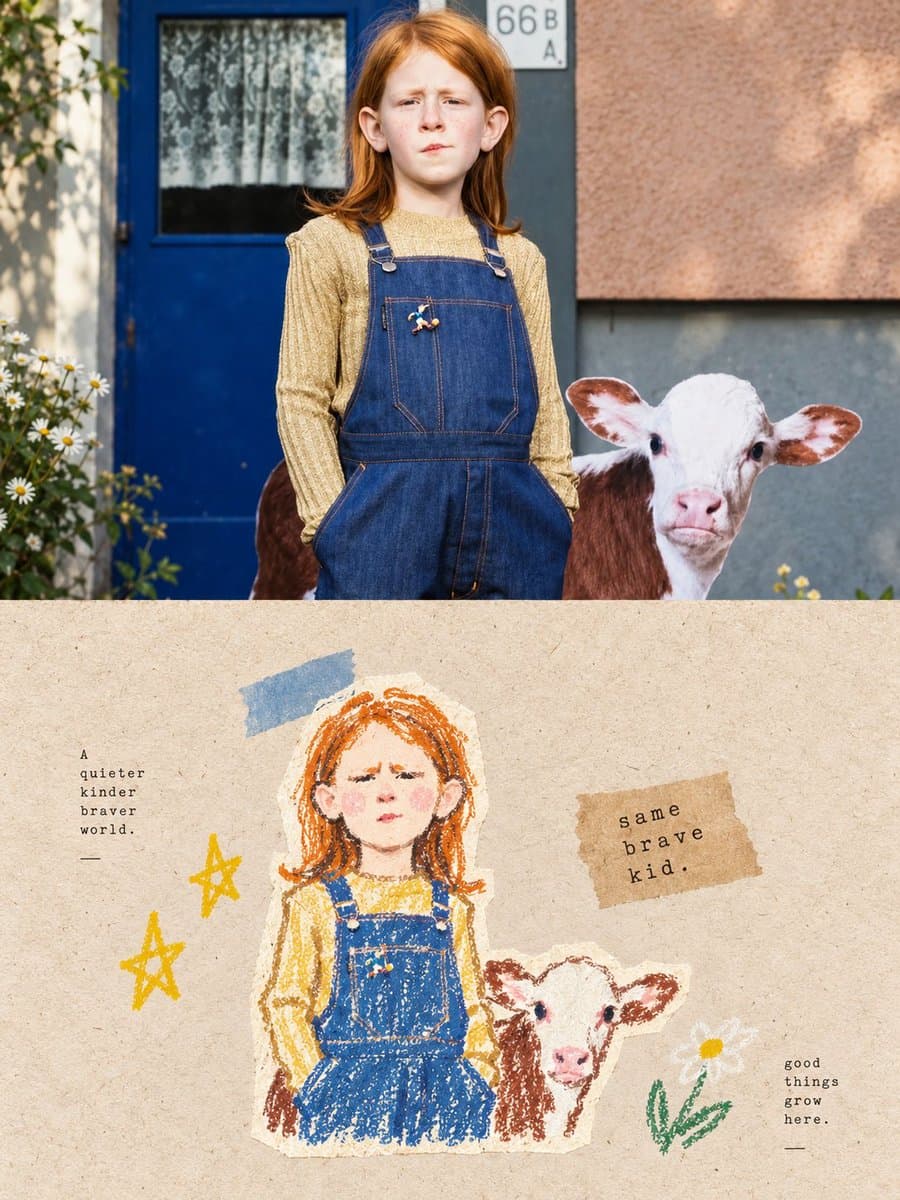
An artistic prompt that transforms uploaded photos into high-end posters featuring vintage paper textures, pastel doodle illustrations, and minimalist typography.
Prompt
Please turn each photo I upload into a separate premium design poster...Use an overall vertical {argument name="构图比例" default="3:4"} composition, with the upper and lower sections in a strict 1:1 height ratio, each occupying 50% of the canv
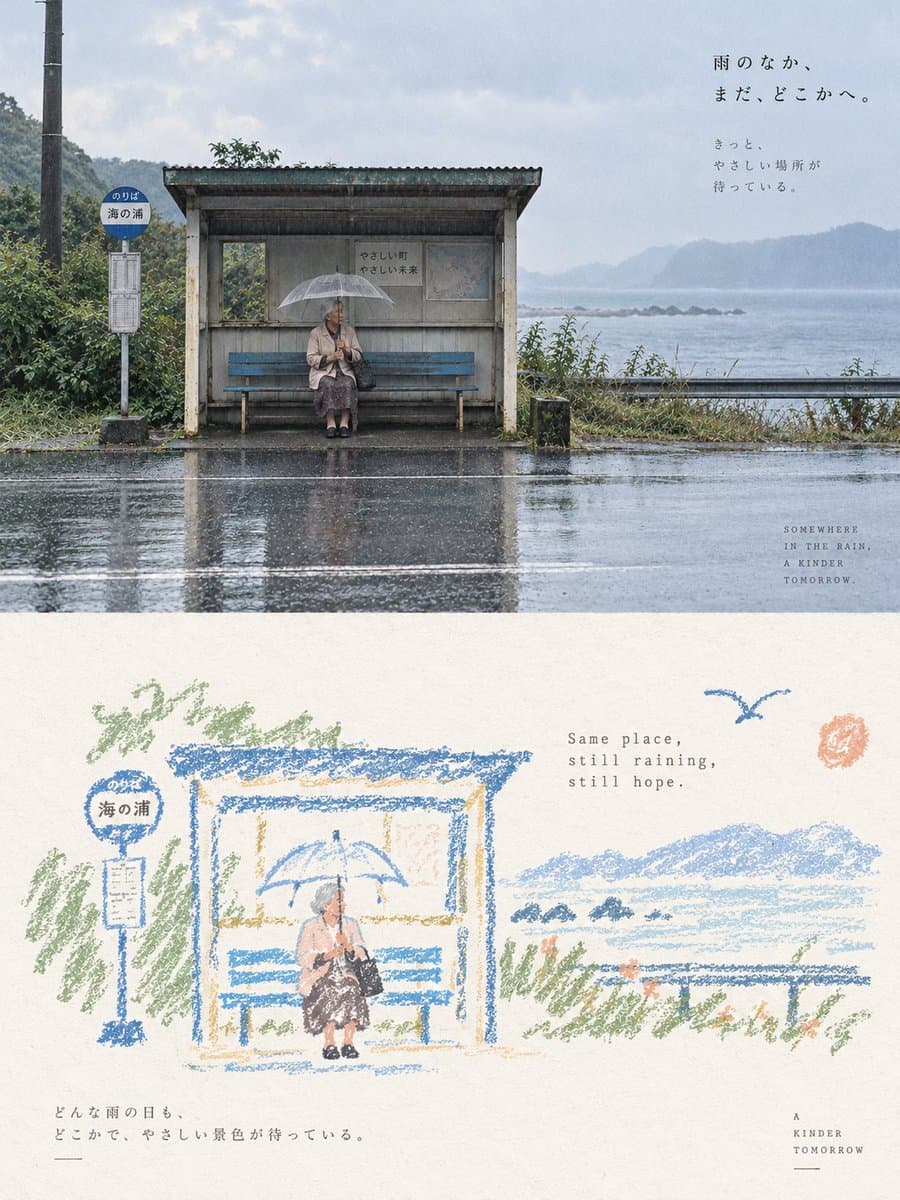
A comprehensive prompt for creating premium, soothing aesthetic posters in a vintage crayon and pastel style, transforming photos into artwork through a distinctive top-and-bottom split layout.
Prompt
Turn each photo I upload into a separate, premium-designed poster. Do not combine multiple images; output each photo individually. Use an overall {argument name="Composition Ratio" default="3:4 vertical composition"}, with the upper and low
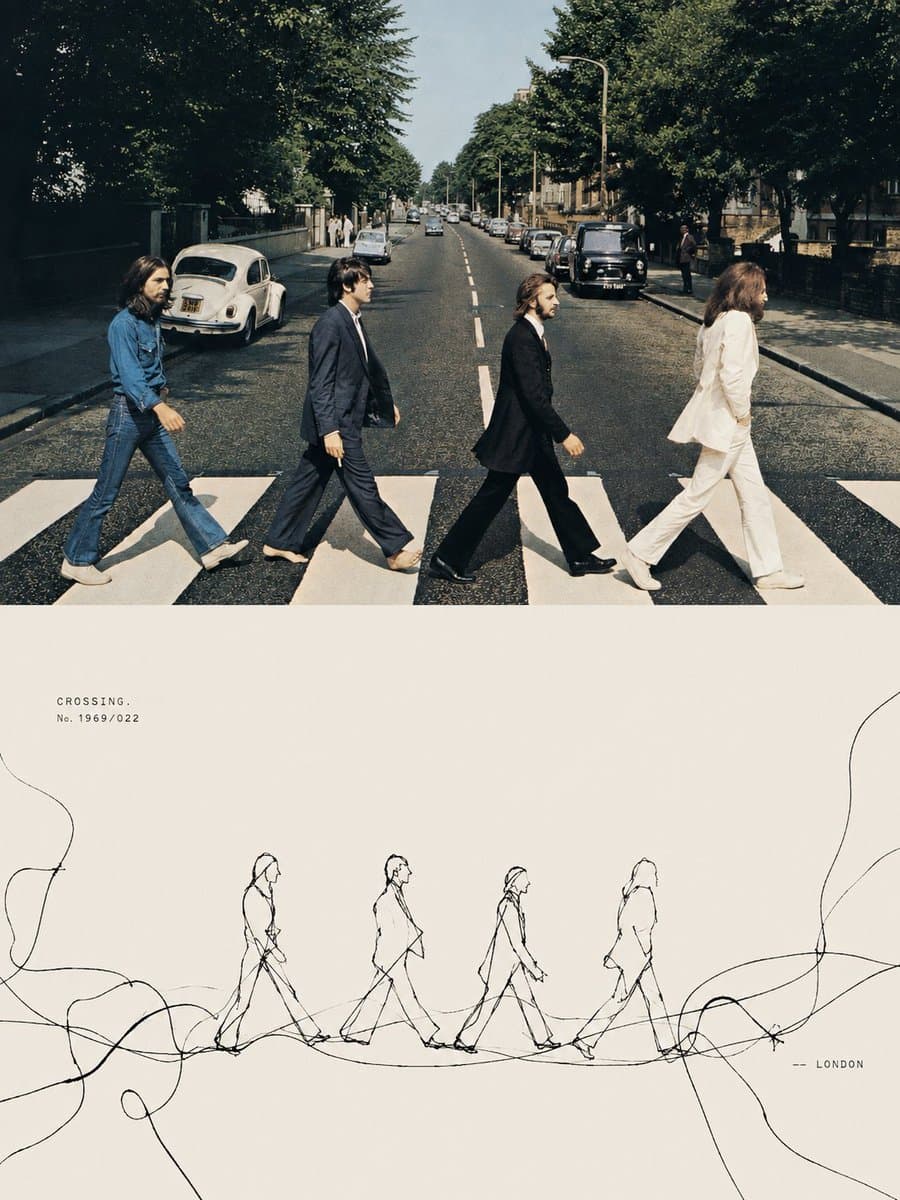
A creative prompt that divides a poster into two sections: the top half retains the original photograph, while the bottom half is reimagined as minimalist conceptual line art.
Prompt
Please turn each photo I upload into a separate premium design poster. Do not create multi-image collages; output each photo separately. Use an overall 3:4 vertical composition, with the upper and lower sections in a strict 1:1 height ratio
Same creator
 Isometric Miniature Model PosterAI Image · GPT Image 2 · 2026-08-30
 Creative Doodle Poster GeneratorAI Image · GPT Image 2 · 2026-08-30
 Watercolor-Style Editorial Illustration PosterAI Image · GPT Image 2 · 2026-08-30
 GPT Image 2 × Scaffolding Aesthetics × Isometric Miniature Architectural Landscape Poster Prompt VOL.073AI Image · GPT Image 2 · 2026-09-06
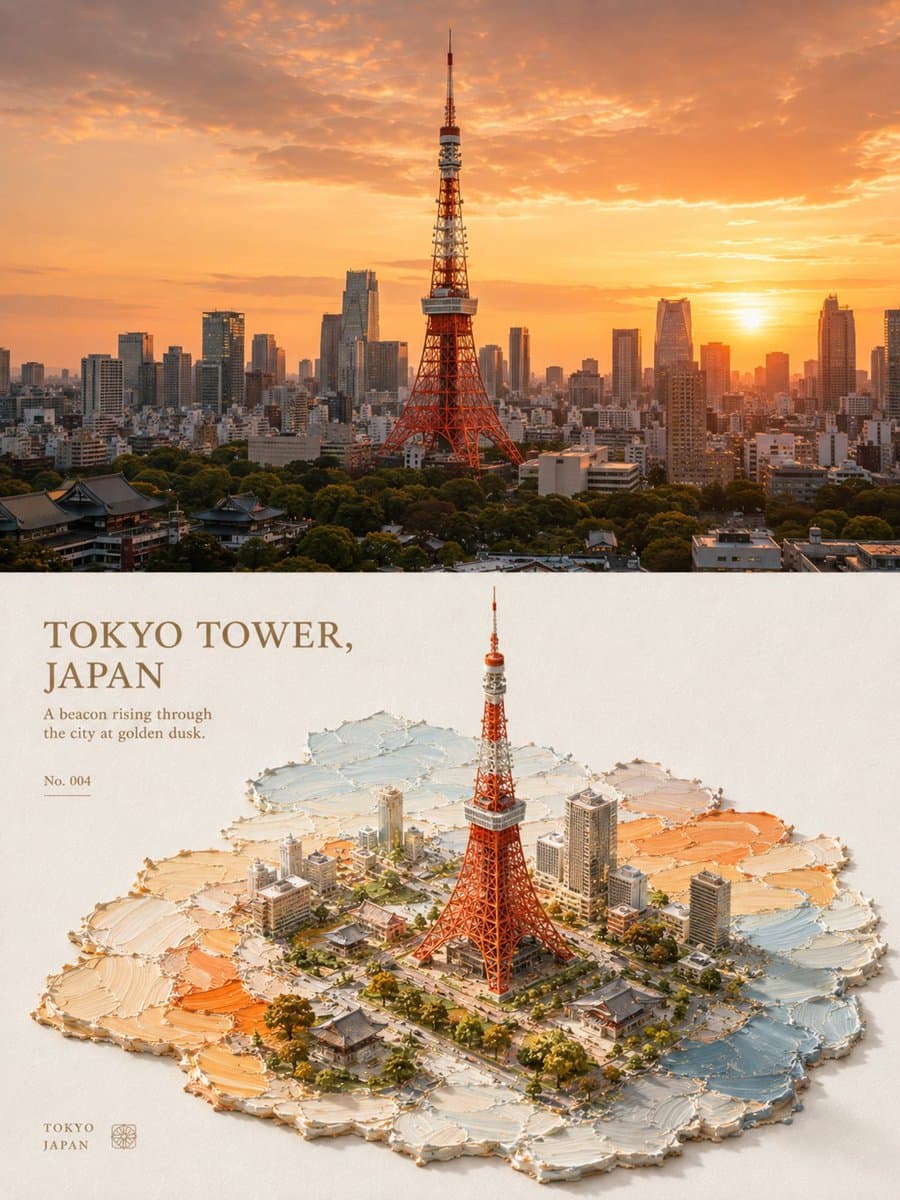 3D Isometric Impasto Oil Painting PosterAI Image · GPT Image 2 · 2026-09-01
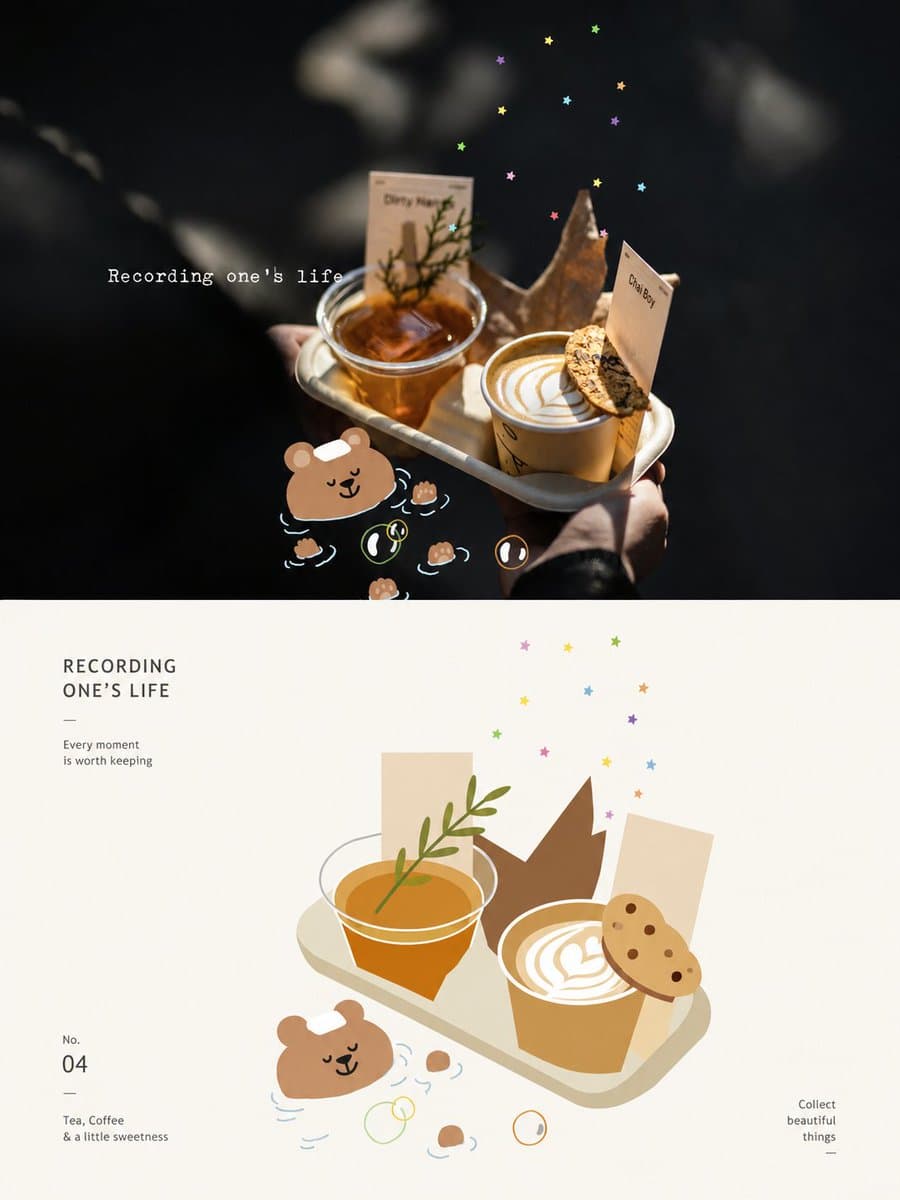 Healing Geometric Art PosterAI Image · GPT Image 2 · 2026-09-06
Same model
 Portrait of a Curly-Haired Woman in Champagne Gown and Floral PearlsAI Image · GPT Image 2.5 · 2026-10-21White-Backdrop Portrait of a Young Woman in a Brown JacketAI Image · GPT Image 2.5 · 2026-10-21GPT Image 2.5:年轻成年东方少女,精致 BJD 立体五官,AI Image · GPT Image 2.5 · 2026-10-21
 Half-Length Portrait of a Stern Man in a Plaid Suit, Hand at ChinAI Image · GPT Image 2.5 · 2026-10-21A Stern Asian Man in a Shirt and Tie in a White StudioAI Image · GPT Image 2.5 · 2026-10-21GPT Image 2.5:成熟亚洲男性,锋利立体骨相,AI Image · GPT Image 2.5 · 2026-10-21
Each detail page keeps the original result, the prompt, and retest evidence in one reading path.