Loading…
Creator · xiaoxiaodong01
View original source ↗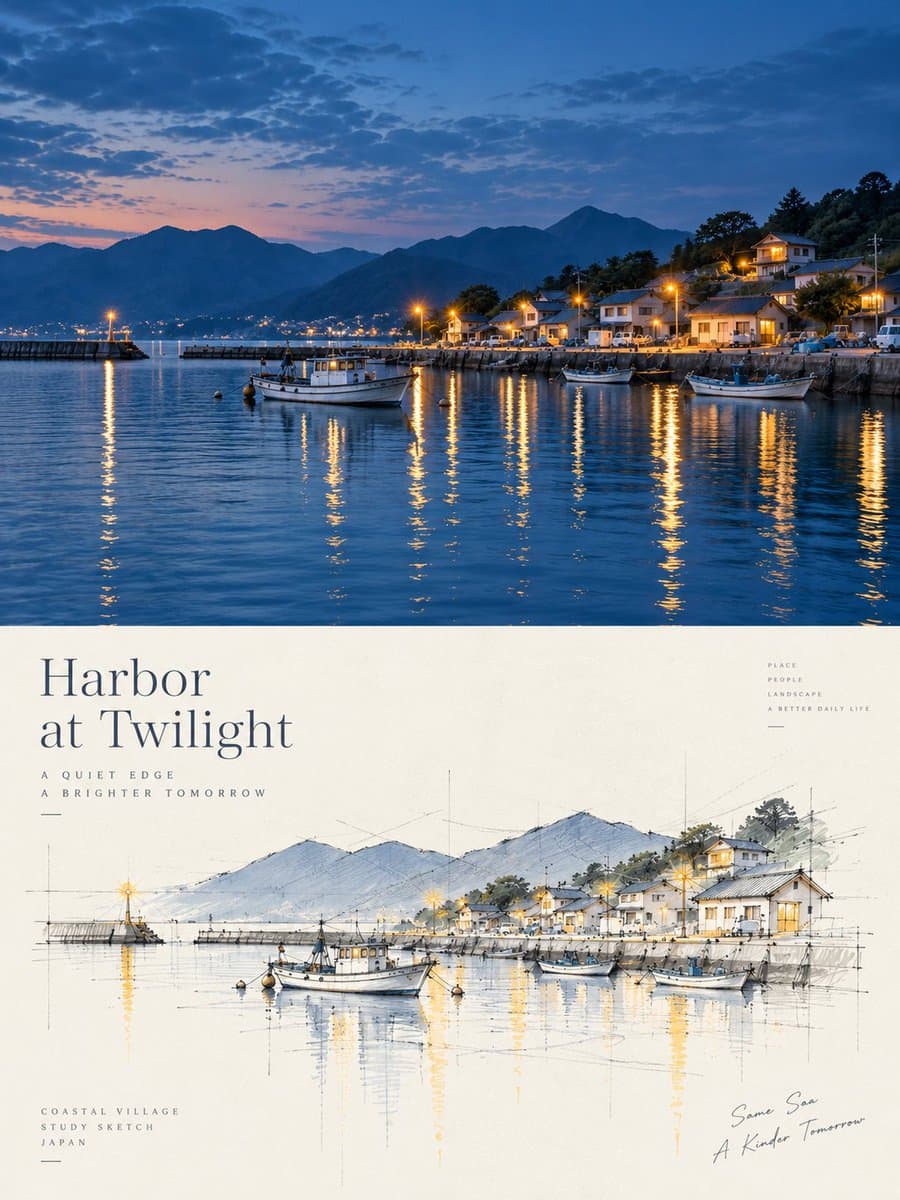
Prompt
Please turn each photo I upload into a separate premium design poster. Do not combine multiple images; output each photo individually. Use an overall 3:4 vertical composition, divided into upper and lower sections with a strict 1:1 height ratio, each occupying 50% of the image.

Retain the original photo in the upper section, preserving the subject’s identity, structure, pose, realistic texture, natural lighting, shadows, and original color atmosphere. Apply only subtle, sophisticated color grading to give it the visual quality of an art magazine or exhibition image. The surrounding background may be extended naturally to fit the aspect ratio, but the subject must not be stretched, distorted, or altered.

In the lower section, extract only the photo’s most recognizable subject, contours, structure, pose, and narrative relationships, and reconstruct them as an architectural concept perspective sketch / hand-drawn architectural proposal rendering. Do not preserve the entire scene or reproduce every object from the photo. Proactively remove most of the background, supporting scenery, and irrelevant details, retaining only the core forms, spatial relationships, and visual memory points that best represent the original theme.

Make fresh artistic decisions for the lower section. Even if the original image has a poor composition, a cluttered background, or a small subject, rescue it as a compelling work through reduction, reorganization, cropping, scale changes, and negative space. Give the model genuine authority to redirect the composition.

Use freehand perspective linework with a small number of selective color blocks. The lines should feel loose, restrained, and slightly repetitive, with occasional pauses. A few guidelines, extension lines, construction lines, and geometric reference lines typical of architectural sketching may remain, creating a clear sense of design exploration.

Apply color lightly in only a few key areas to emphasize the subject, structural hierarchy, local shadows, or spatial focal points. Leave the rest of the image largely undrawn. The composition must center on extensive, intentional negative space. The subject should be smaller and more refined, with large areas of the remaining space left empty. Negative space is not merely an empty background but part of the composition; together with the subject, linework, reference lines, shadows, and sparse color blocks, it should create a sense of breathing room, depth, and rhythm.

The subject may be off-center, placed against an edge, partially cropped, or reduced in scale. It is better to draw less than to fill the frame. A few geometric shadow blocks may be added to strengthen volume, depth, and spatial layering, but avoid heavy rendering, complex environments, or the look of a photorealistic architectural visualization. Keep the background minimalist, retaining only the bare minimum of necessary site cues.

Extract 2–4 of the most distinctive and vibrant colors from the photo above, then reorganize them into a cleaner, more restrained, and visually enduring sketch palette. The overall palette may be moderately brightened, purified, and desaturated, focusing on off-white, light gray, warm gray, soft green, pale wood tones, light blue-gray, and similar colors. Retain a few brighter but non-glaring accent colors in selected areas. Avoid muddy gray, dimness, excessive vintage styling, and cheap-looking high saturation.

Use text only as a minimal editorial intervention, with no language restrictions. Generate a few words, short phrases, or annotations based on the subject, location, action, or mood, and place them quietly within the negative space to create a restrained relationship between text and image.

The overall result should achieve a premium visual effect combining architectural concept sketching, freehand linework, geometric reference lines, sparse color blocks, geometric shadows, expansive negative space, and editorial typography. Avoid preserving the complete scene, reproducing every object, complex backgrounds, full-frame coloring, photorealistic renderings, heavy outlines, cartoon styling, a 3D look, and formulaic presentation.
Models & stability
Recommended models
Keep exploring
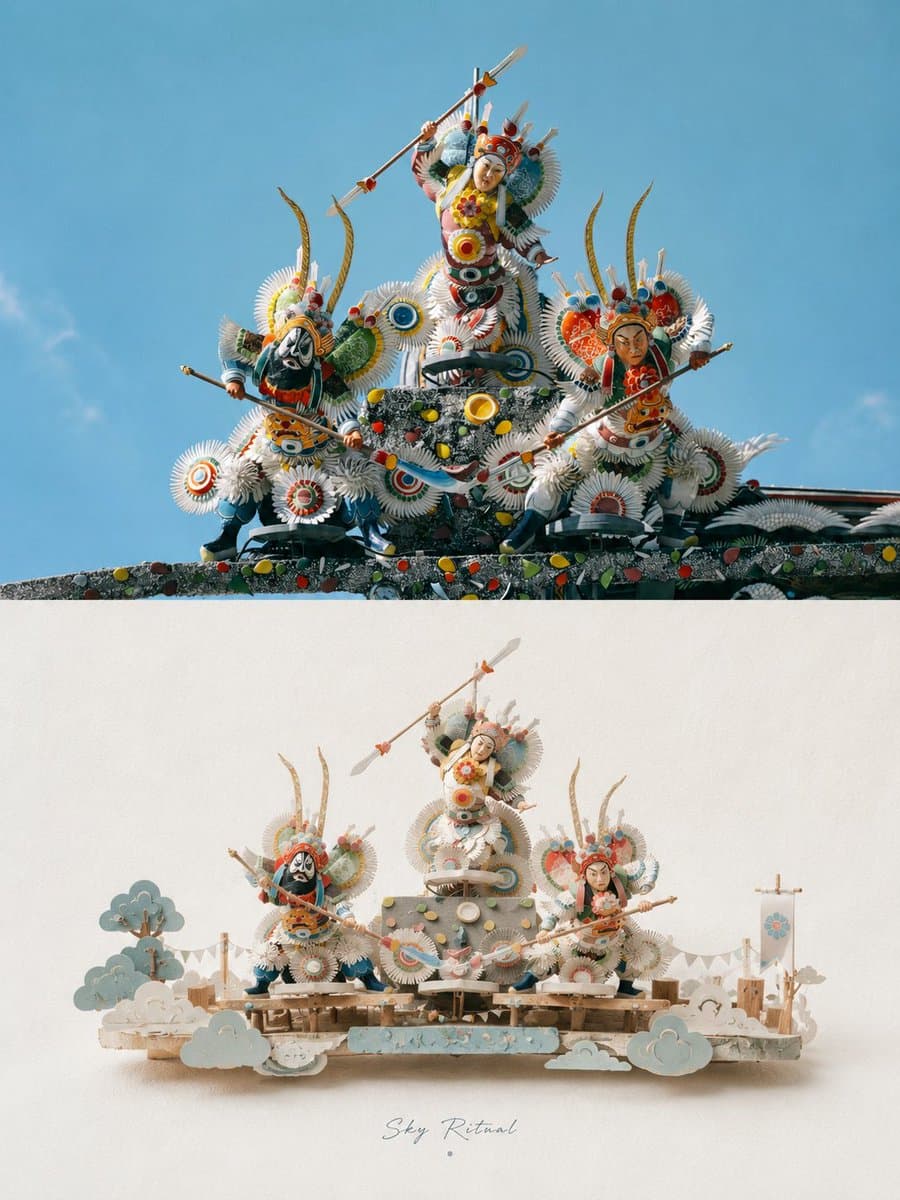
A refined prompt for transforming uploaded photos into premium vertical posters, featuring realistic photography in the upper half and a stylized 3D paper-craft miniature scene in the lower half.
Prompt
Please turn each photo I upload into a separate premium poster design. Do not create multi-image collages; output each photo individually. Use an overall 3:4 vertical composition, with the upper and lower sections in a strict 1:1 height rat
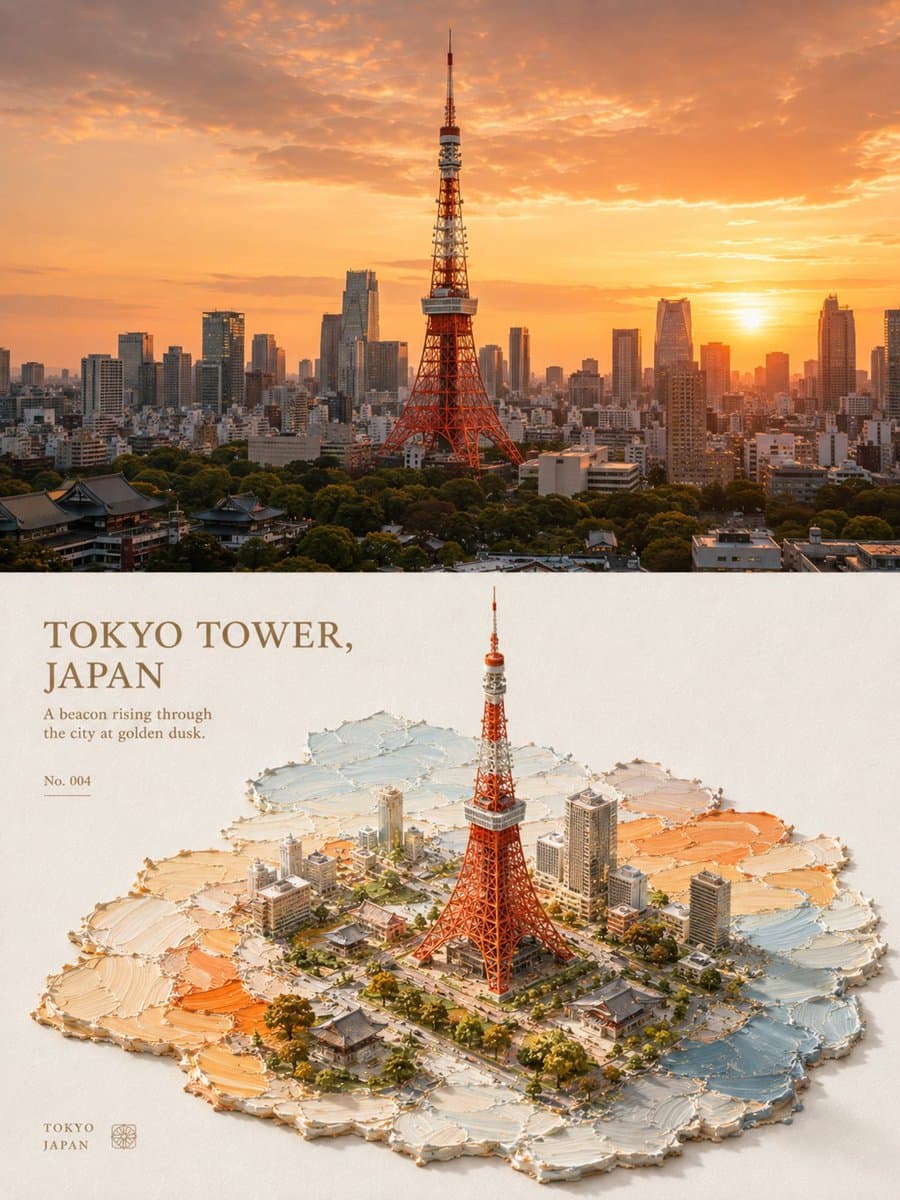
An aesthetic prompt that transforms photos into 3D isometric miniature landscapes using impasto oil painting and palette-knife techniques, creating a richly tactile, handcrafted texture on paper.
Prompt
Please turn each photo I upload into a separate premium design poster. Do not combine multiple images; output each photo individually. Use an overall 3:4 vertical composition, divided into upper and lower sections with a strict 1:1 height r

A detailed 3D CG render depicting an oriental fantasy girl with long mint-green hair, using high-quality PBR materials, with a dreamy garden background.
Prompt
9:16 vertical format, high-precision 3D CG oriental fantasy sweet-cool girl character poster, 3D CG oriental fantasy girl character portrait, anime-style 3D CG character art, semi-realistic 3D character render, full body portrait. The main