

Loading…
Loading…
Creator · xiaoxiaodong01
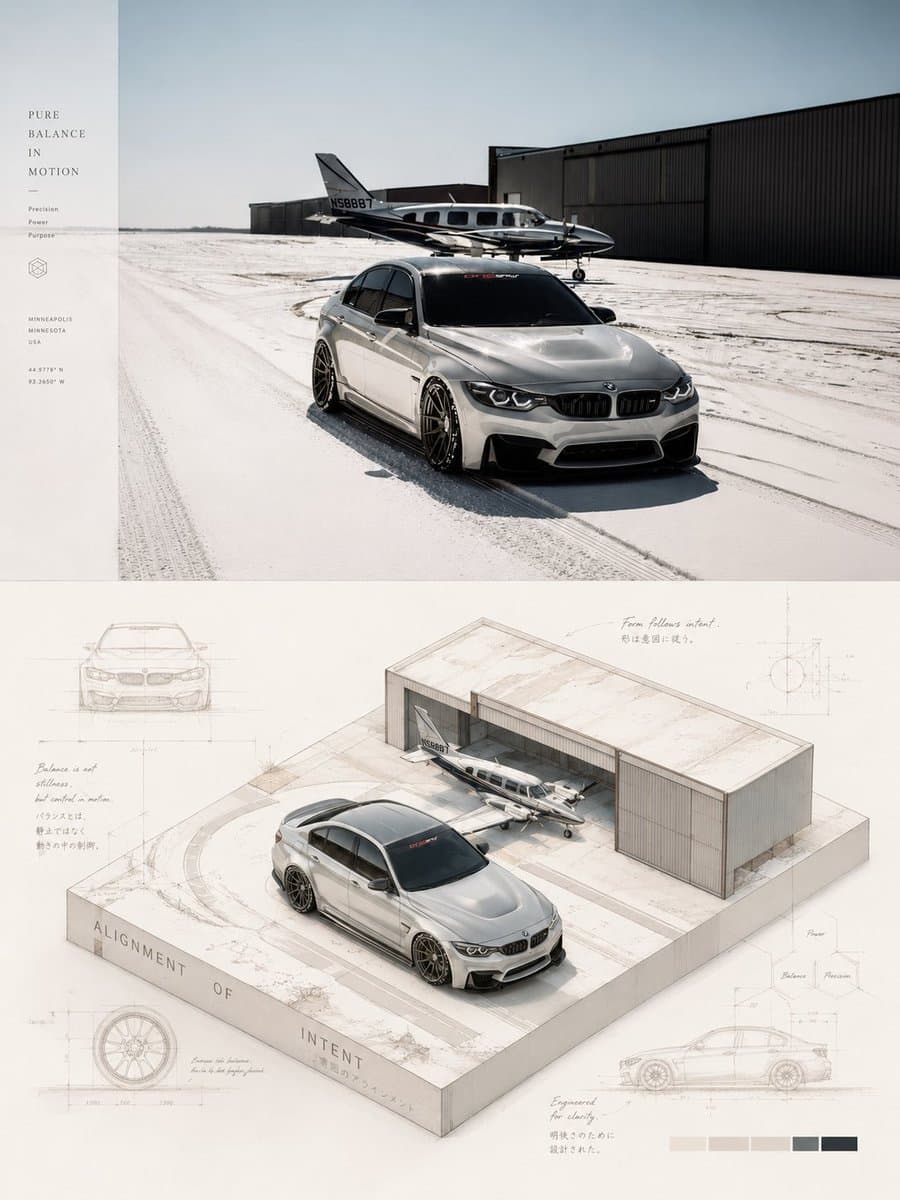
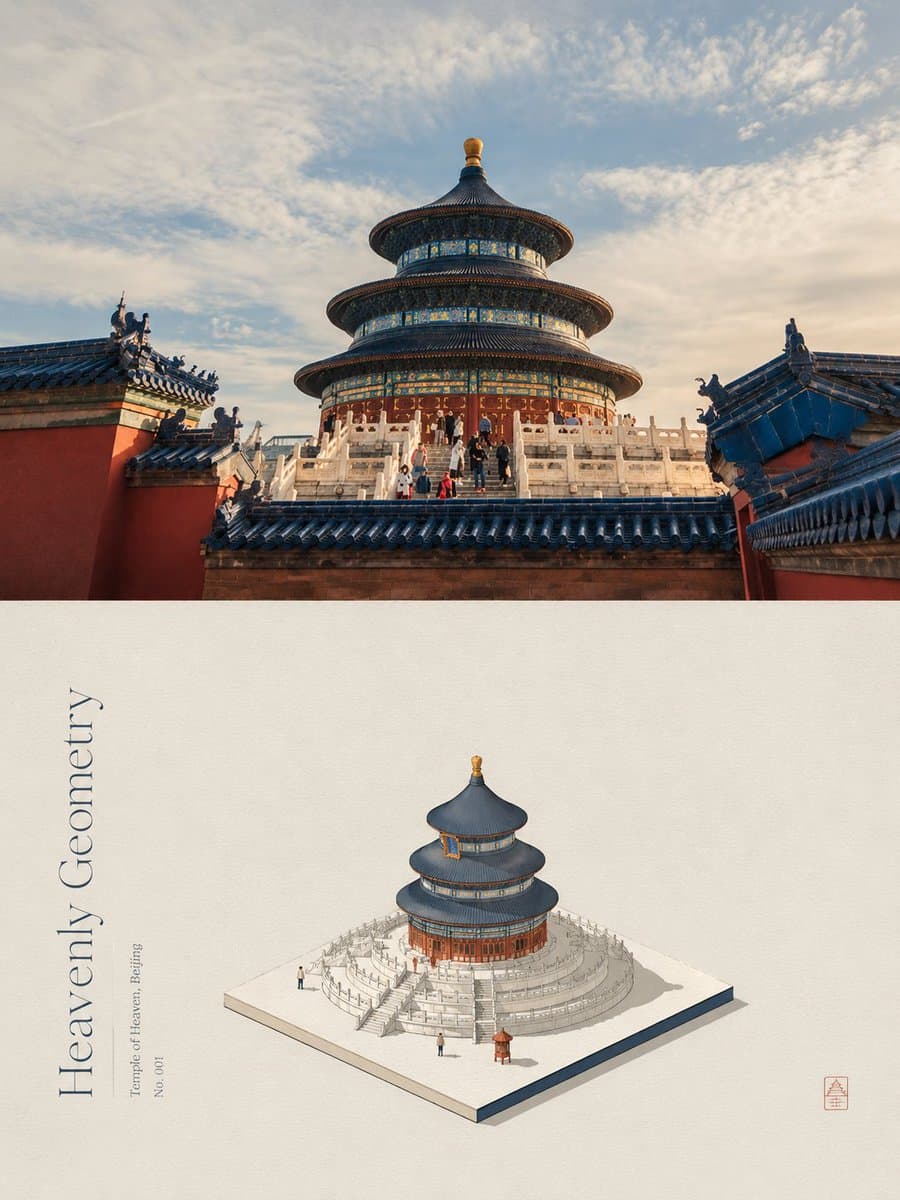
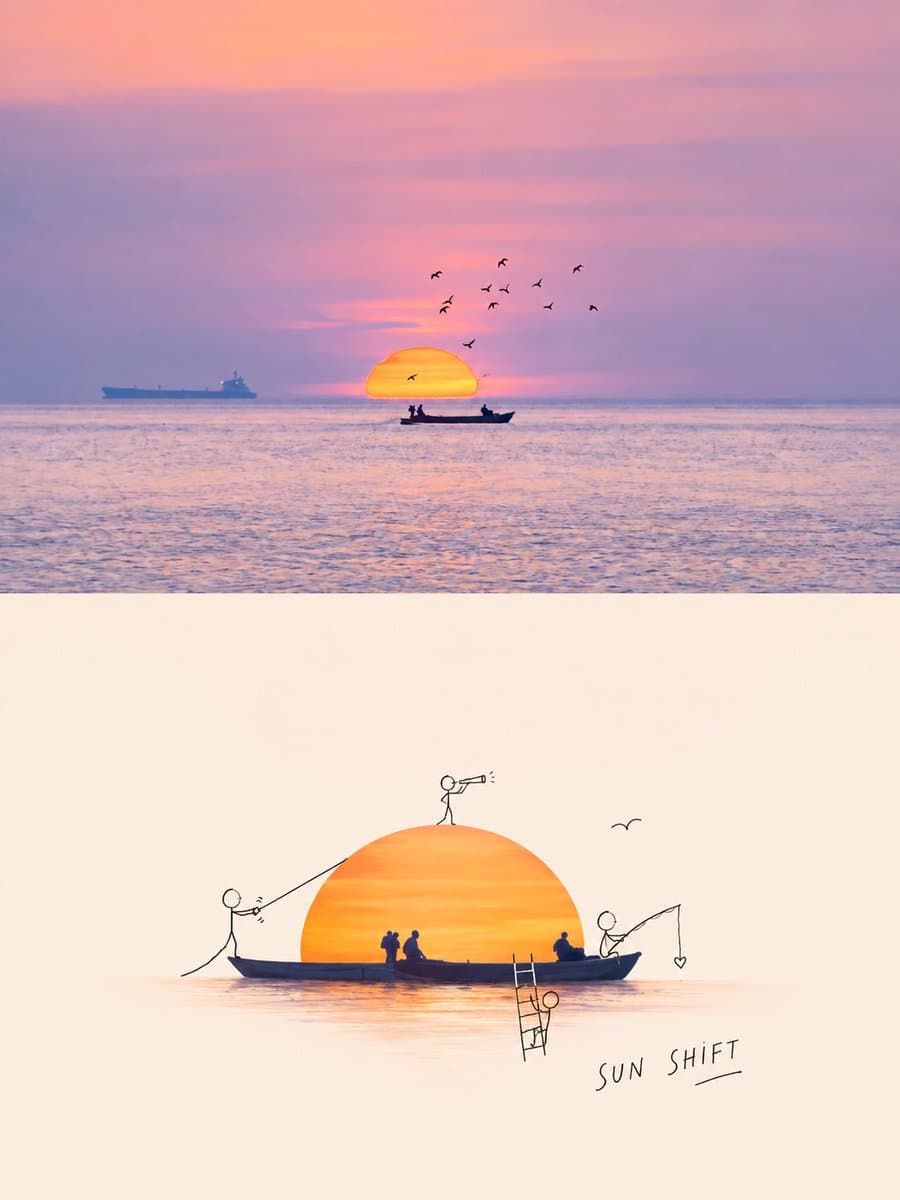
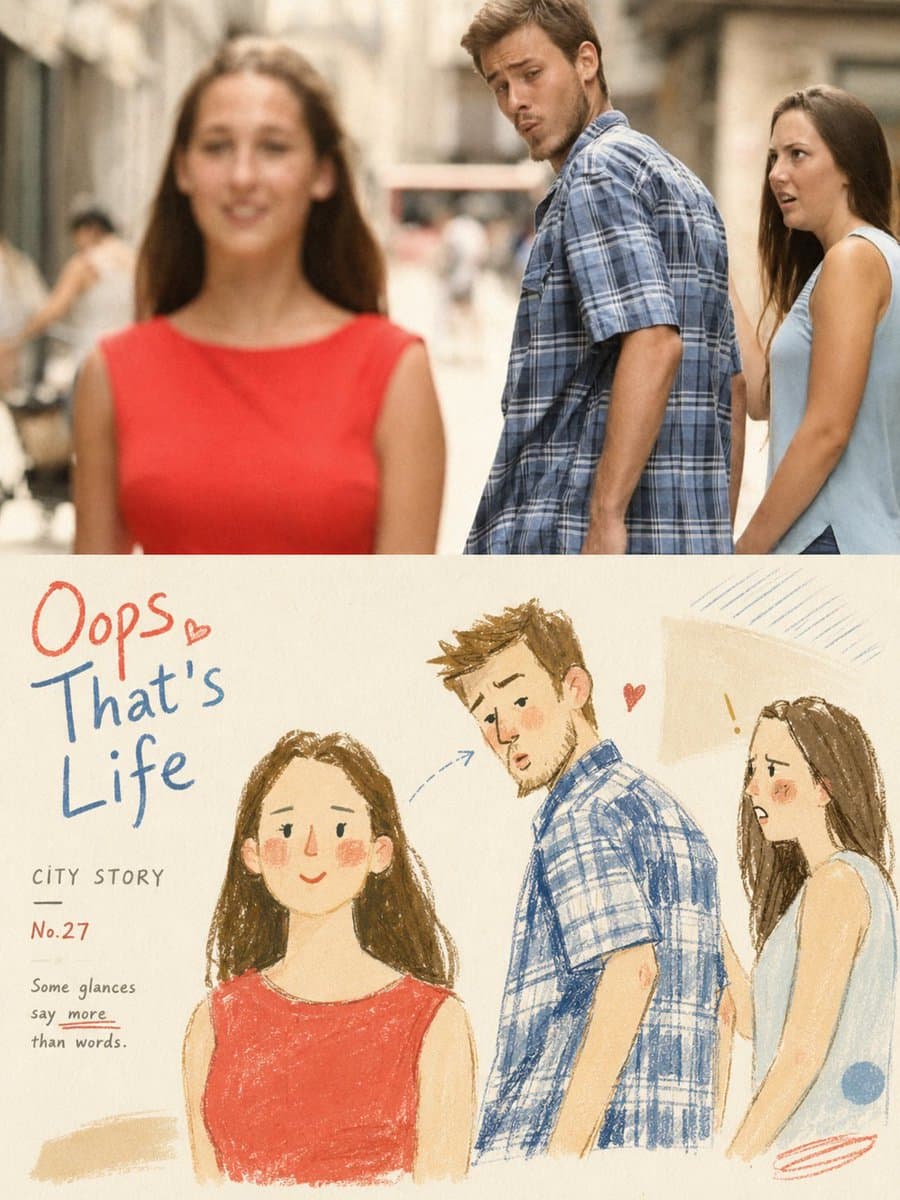
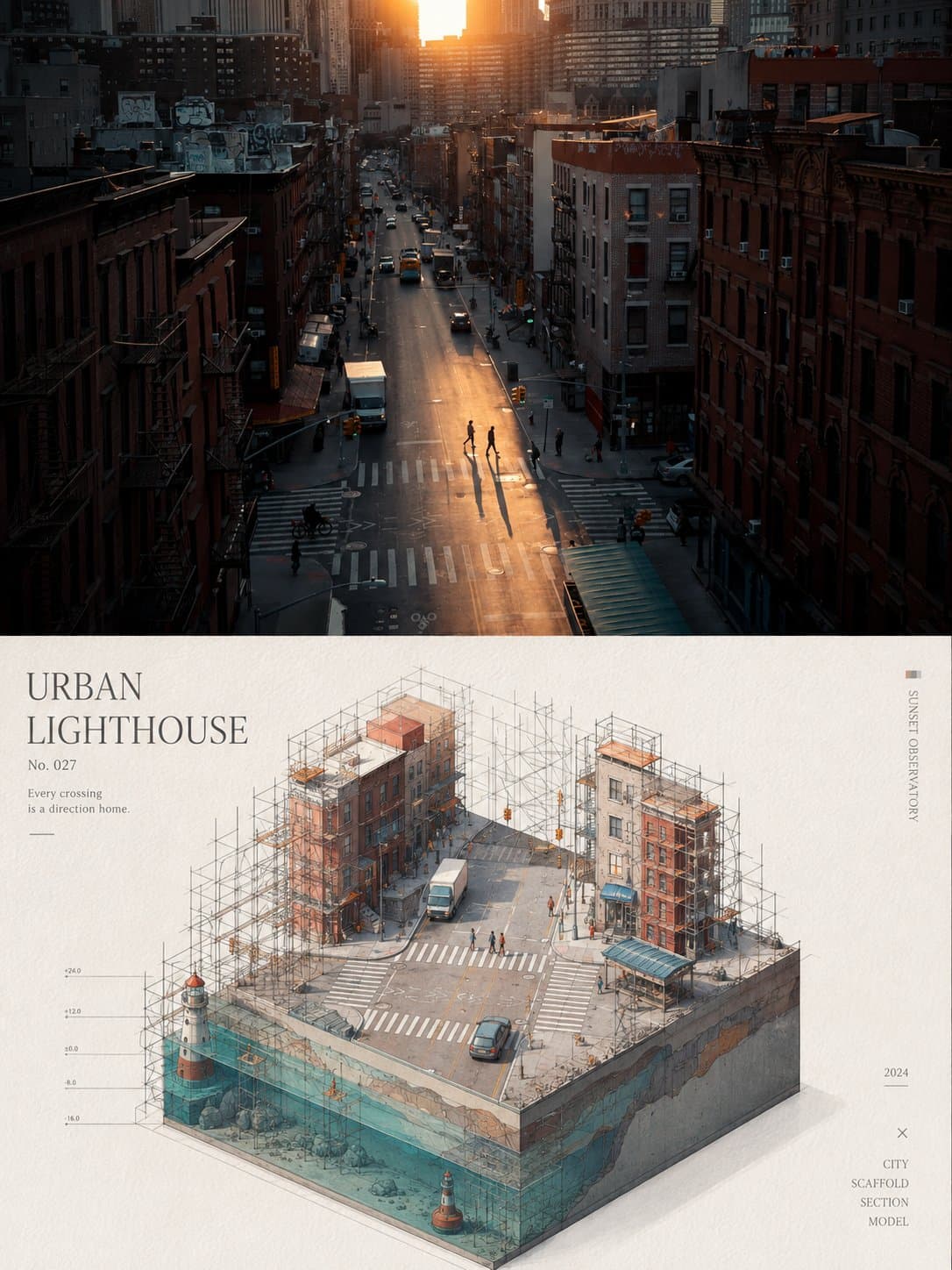
View original source ↗Turn each photo I upload into a separate premium design poster. Do not combine multiple images; output each photo separately. Use an overall 3:4 vertical composition divided into two regions with a strict 1:1 height ratio, each occupying 50% of the image.
Retain the original photo in the upper half, preserving the subject’s structure, realistic texture, natural lighting, and original color atmosphere. Apply only subtle, high-end photographic color grading to give it the feel of an art magazine, independent publication, and exhibition photograph. To fit the aspect ratio, naturally extend the sky, ground, or environmental background as needed, but do not stretch, distort, or alter the subject.
In the lower half, extract the most recognizable **subject, silhouette, pose, and narrative relationships** from the photo and reconstruct them using **isometric spatial logic**. Do not simply turn the original subject into a 3D model. Instead, break it down into clear volumes, layers, sections, and spatial relationships, then recombine them along a unified set of isometric axes so it possesses both the structural order of an architectural model and the visual simplification of an editorial illustration. Moderately adjust the viewing angle, proportions, and local structure as needed to better display the subject’s most representative form, but preserve the identity-defining features that make it instantly recognizable.
At the same time, derive a **thematic motif** from the photo’s core content, action, structure, or symbolic relationships, then geometrize, symbolize, and integrate it into the isometric composition. The thematic motif may become a base, section, spatial opening, path, enclosing structure, or negative shape. Let the subject pass through, interlock with, float above, be cut by, rest upon, or occupy staggered layers with it, so the theme is not an added decoration but the compositional mechanism that determines how the subject exists in space.
Adapt the composition to the subject’s visual center of gravity, contour flow, and spatial characteristics. Establish a professional sense of order through isometric axes, volumetric proportions, staggered layers, contrasts of scale, partial cropping, and large areas of negative space. The subject does not need to be mechanically centered; it may be offset, suspended, or extended, allowing the isometric structure and thematic motif to jointly form a single visual center.
Render the subject with a **bright, translucent, soft Japanese-inspired palette and delicate matte materials**. Extract the most vibrant colors from the upper photo—the ones that best represent the subject’s spirit—and remix them. Use soft white, cream white, or an extremely pale warm tone as the base, transforming the core colors into clean, bright, gentle color planes. Distinguish the different volumes through tonal variations of the same hue and a small number of accent colors. Keep the lighting soft but clearly defined, using subtle light and dark values to make the structure readable. Avoid heavy 3D shadows, plastic materials, and dull, muddy gray tones.
Keep the background largely empty and add **creative research traces in the style of Leonardo da Vinci’s manuscripts**: subject-related contour sketches, structural breakdowns, enlarged details, proportion lines, measurement lines, arrows, geometric studies, observational drawings of nature, and miniature annotations. Distribute them faintly around the subject in pale pencil, sepia ink, or faded manuscript textures. The sketches should resemble traces of thought left by the design process, creating a contrast between the precise isometric subject as a “rational finished work” and the intuitive research process, without forming a second visual center.
Organize the text around the theme and spatial structure as well. Derive a short English title from the subject’s identity, action, emotion, or symbolic meaning, and pair it with only a few location labels, state words, or miniature annotations. Text may follow the isometric axes, thematic-motif boundaries, structural sections, or manuscript guide lines. It may be horizontal, vertical, offset, interwoven, or hidden within negative shapes, so it feels like an information layer in a design blueprint or premium art publication rather than a title added afterward.
The overall visual character should combine **thematic metaphor × isometric spatial order × Leonardo da Vinci-style research manuscripts × bright Japanese-inspired colors × Eastern negative space × premium editorial design**. Whether the subject is a person, animal, plant, building, object, food, vehicle, or natural landscape, use its own structure to find the most suitable isometric reconstruction. Avoid the look of an ordinary 3D model, game environment, axonometric engineering drawing, low-poly cartoon, mechanically centered composition, e-commerce product display, or generic template.Models & stability
Recommended models
Independent retest evidence
Sep 2, 2026

The requested model is recorded, but the generation receipt did not expose a verifiable underlying model ID.
Keep exploring
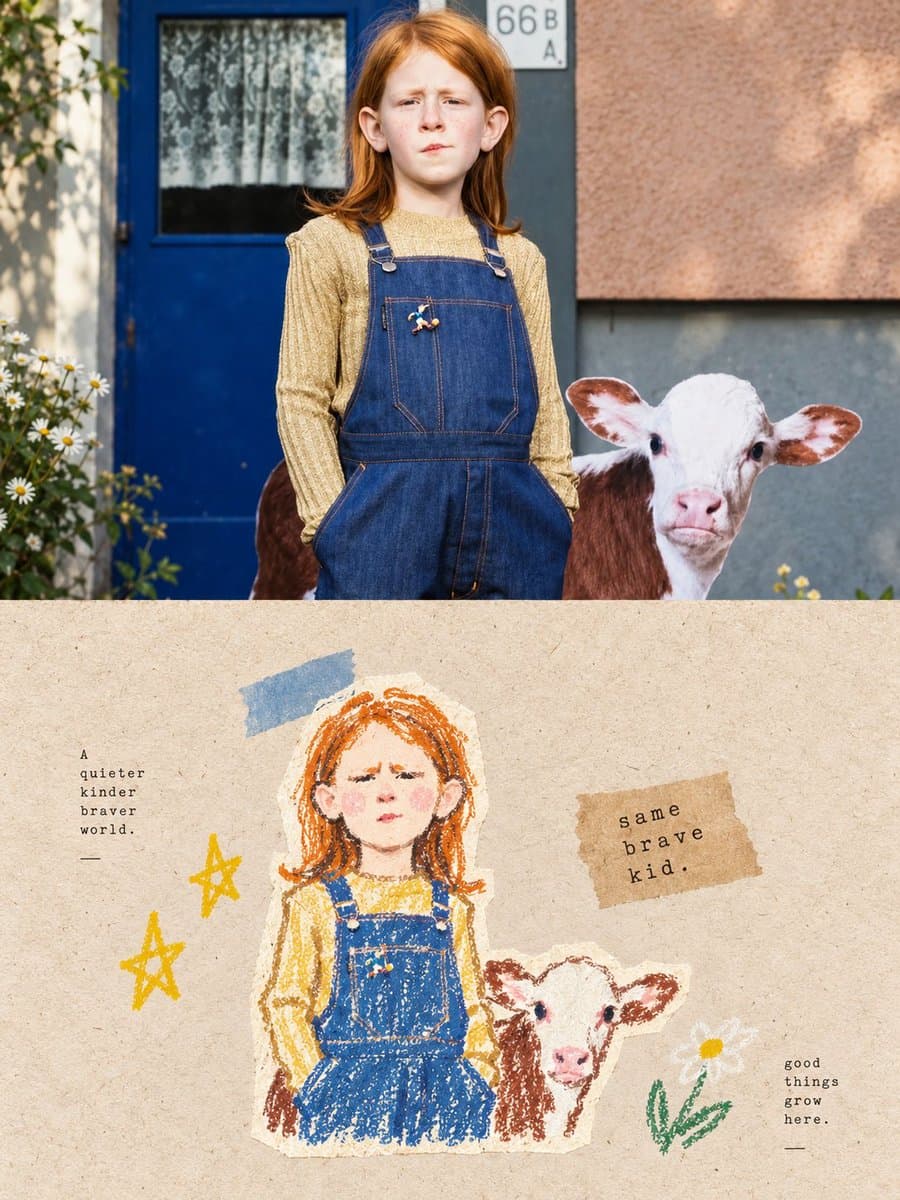
An artistic prompt that transforms uploaded photos into high-end posters featuring vintage paper textures, pastel doodle illustrations, and minimalist typography.
Prompt
Please turn each photo I upload into a separate premium design poster...Use an overall vertical {argument name="构图比例" default="3:4"} composition, with the upper and lower sections in a strict 1:1 height ratio, each occupying 50% of the canv
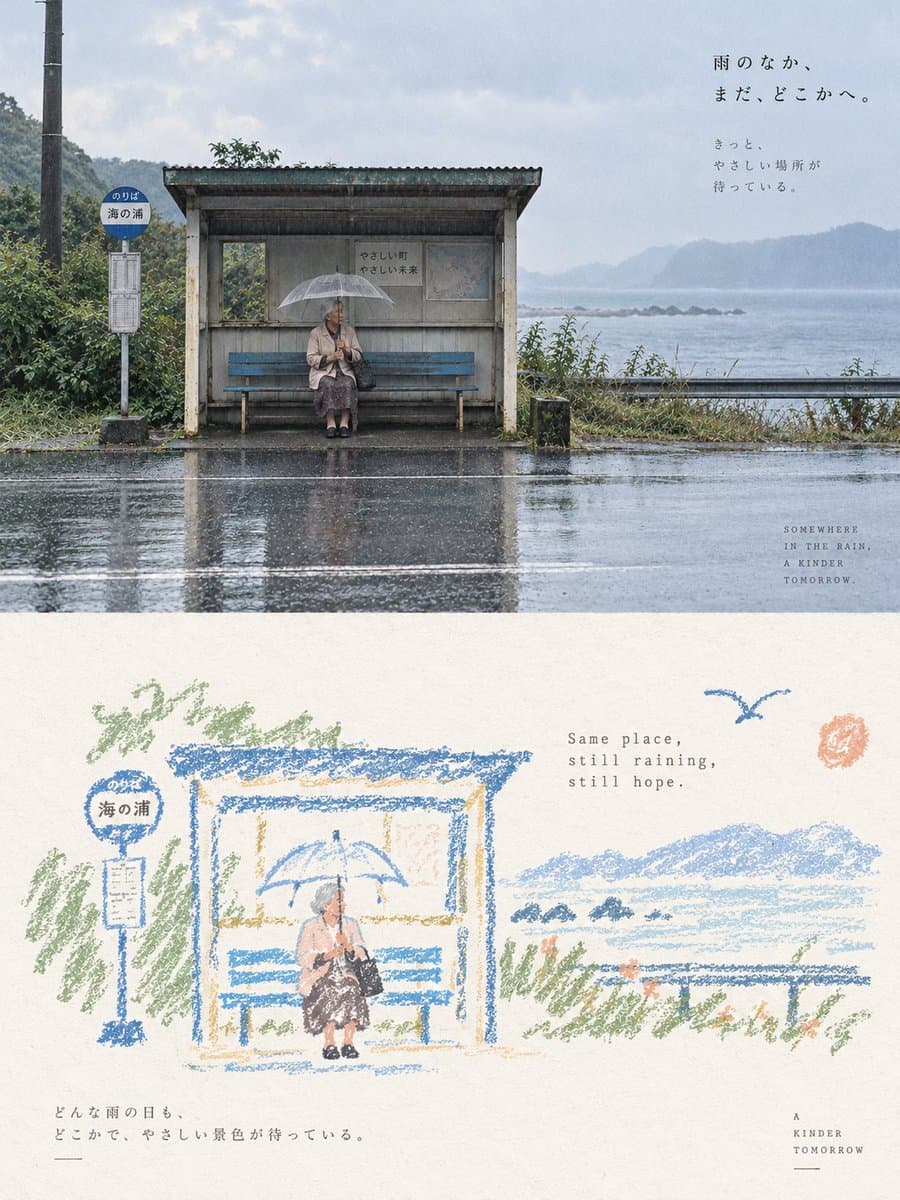
A comprehensive prompt for creating premium, soothing aesthetic posters in a vintage crayon and pastel style, transforming photos into artwork through a distinctive top-and-bottom split layout.
Prompt
Turn each photo I upload into a separate, premium-designed poster. Do not combine multiple images; output each photo individually. Use an overall {argument name="Composition Ratio" default="3:4 vertical composition"}, with the upper and low
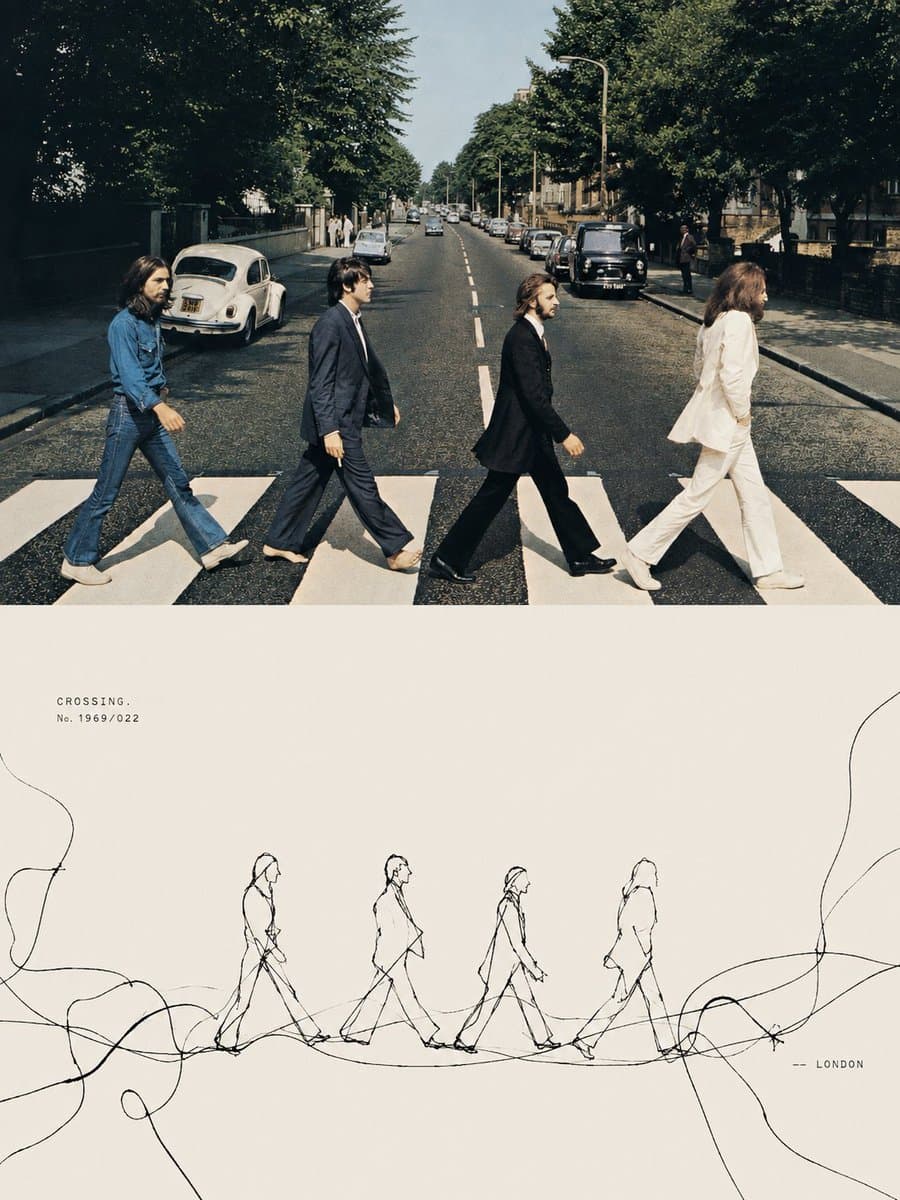
A creative prompt that divides a poster into two sections: the top half retains the original photograph, while the bottom half is reimagined as minimalist conceptual line art.
Prompt
Please turn each photo I upload into a separate premium design poster. Do not create multi-image collages; output each photo separately. Use an overall 3:4 vertical composition, with the upper and lower sections in a strict 1:1 height ratio
Same creator
 Isometric Miniature Model PosterAI Image · GPT Image 2 · 2026-08-30
 Creative Doodle Poster GeneratorAI Image · GPT Image 2 · 2026-08-30
 Watercolor-Style Editorial Illustration PosterAI Image · GPT Image 2 · 2026-08-30
 GPT Image 2 × Scaffolding Aesthetics × Isometric Miniature Architectural Landscape Poster Prompt VOL.073AI Image · GPT Image 2 · 2026-09-06
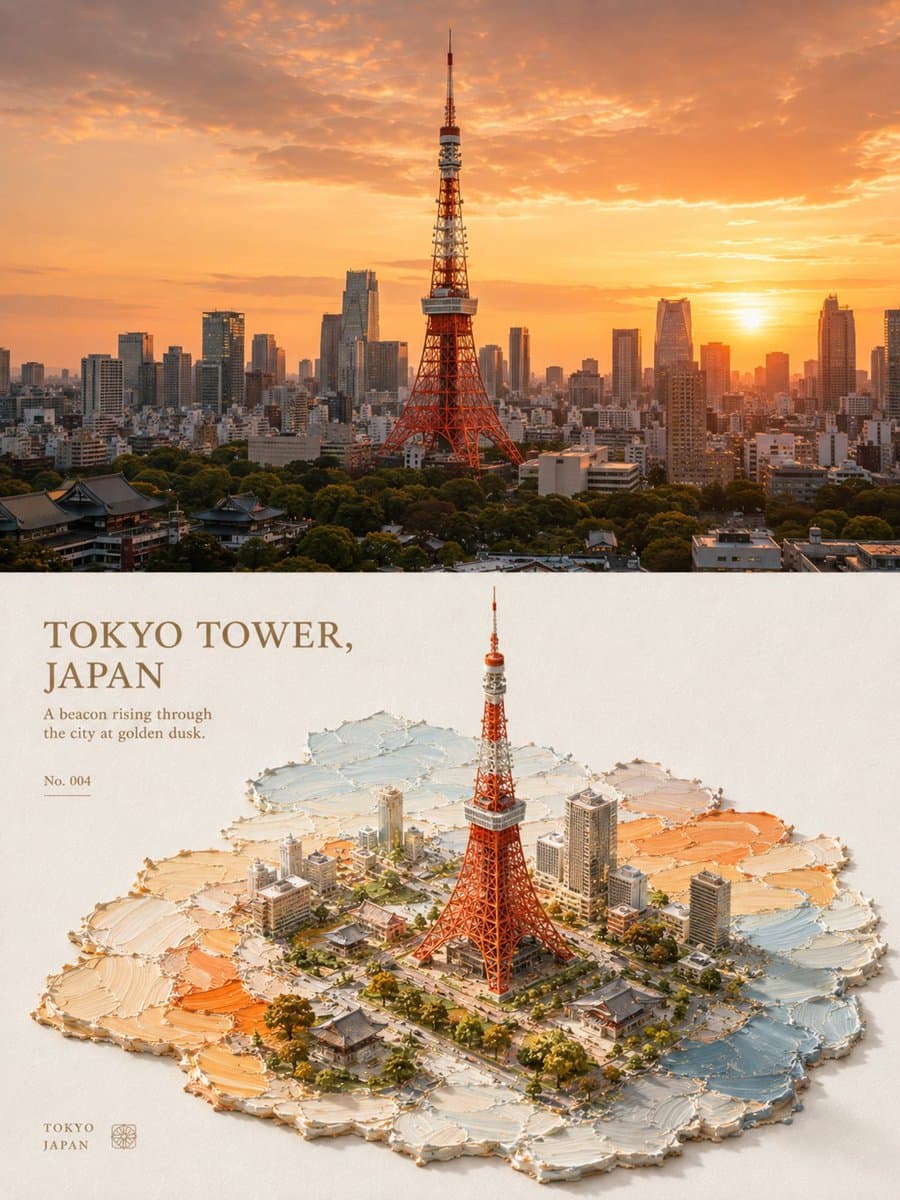 3D Isometric Impasto Oil Painting PosterAI Image · GPT Image 2 · 2026-09-01
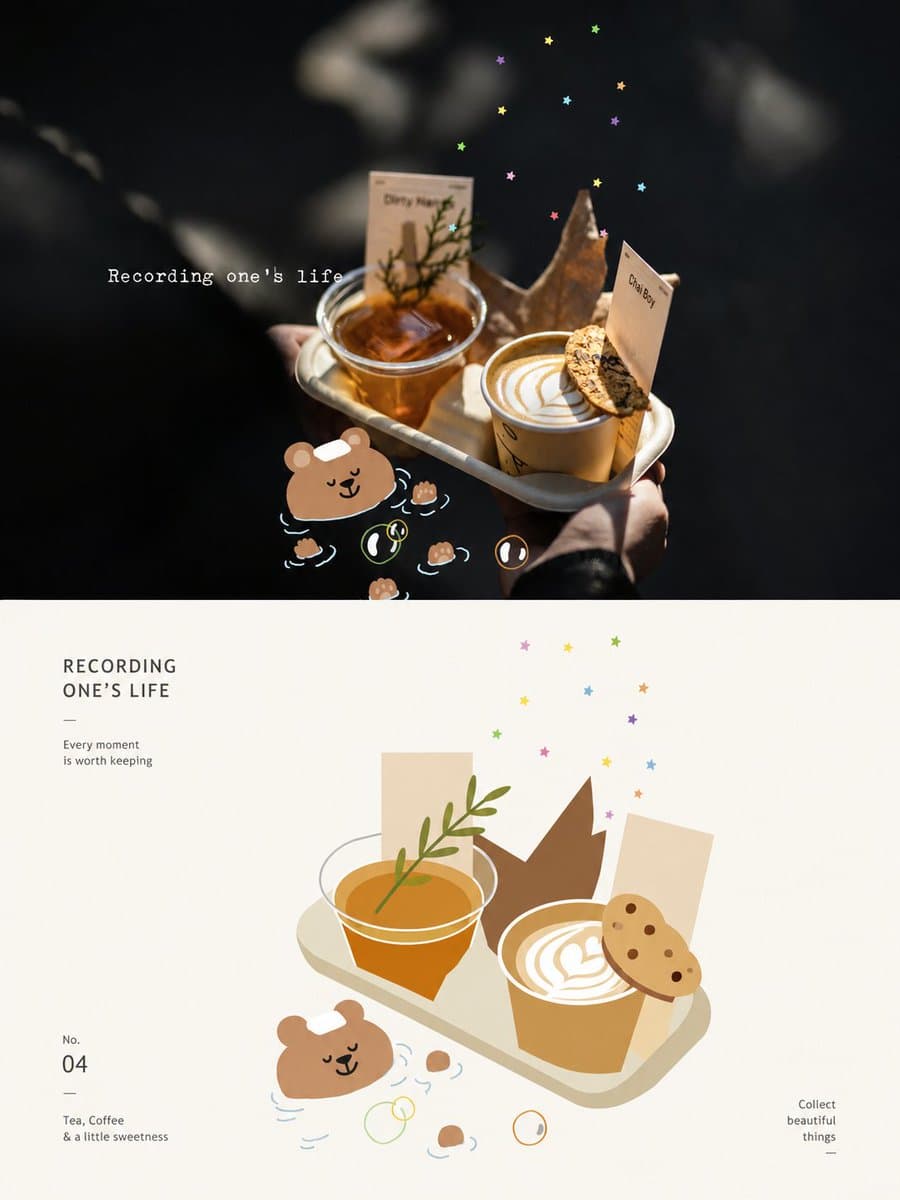 Healing Geometric Art PosterAI Image · GPT Image 2 · 2026-09-06
Same model
 Portrait of a Curly-Haired Woman in Champagne Gown and Floral PearlsAI Image · GPT Image 2.5 · 2026-10-21White-Backdrop Portrait of a Young Woman in a Brown JacketAI Image · GPT Image 2.5 · 2026-10-21GPT Image 2.5:年轻成年东方少女,精致 BJD 立体五官,AI Image · GPT Image 2.5 · 2026-10-21
 Half-Length Portrait of a Stern Man in a Plaid Suit, Hand at ChinAI Image · GPT Image 2.5 · 2026-10-21A Stern Asian Man in a Shirt and Tie in a White StudioAI Image · GPT Image 2.5 · 2026-10-21GPT Image 2.5:成熟亚洲男性,锋利立体骨相,AI Image · GPT Image 2.5 · 2026-10-21
Each detail page keeps the original result, the prompt, and retest evidence in one reading path.