

Loading…
Loading…
Creator · apirrone
What it is:
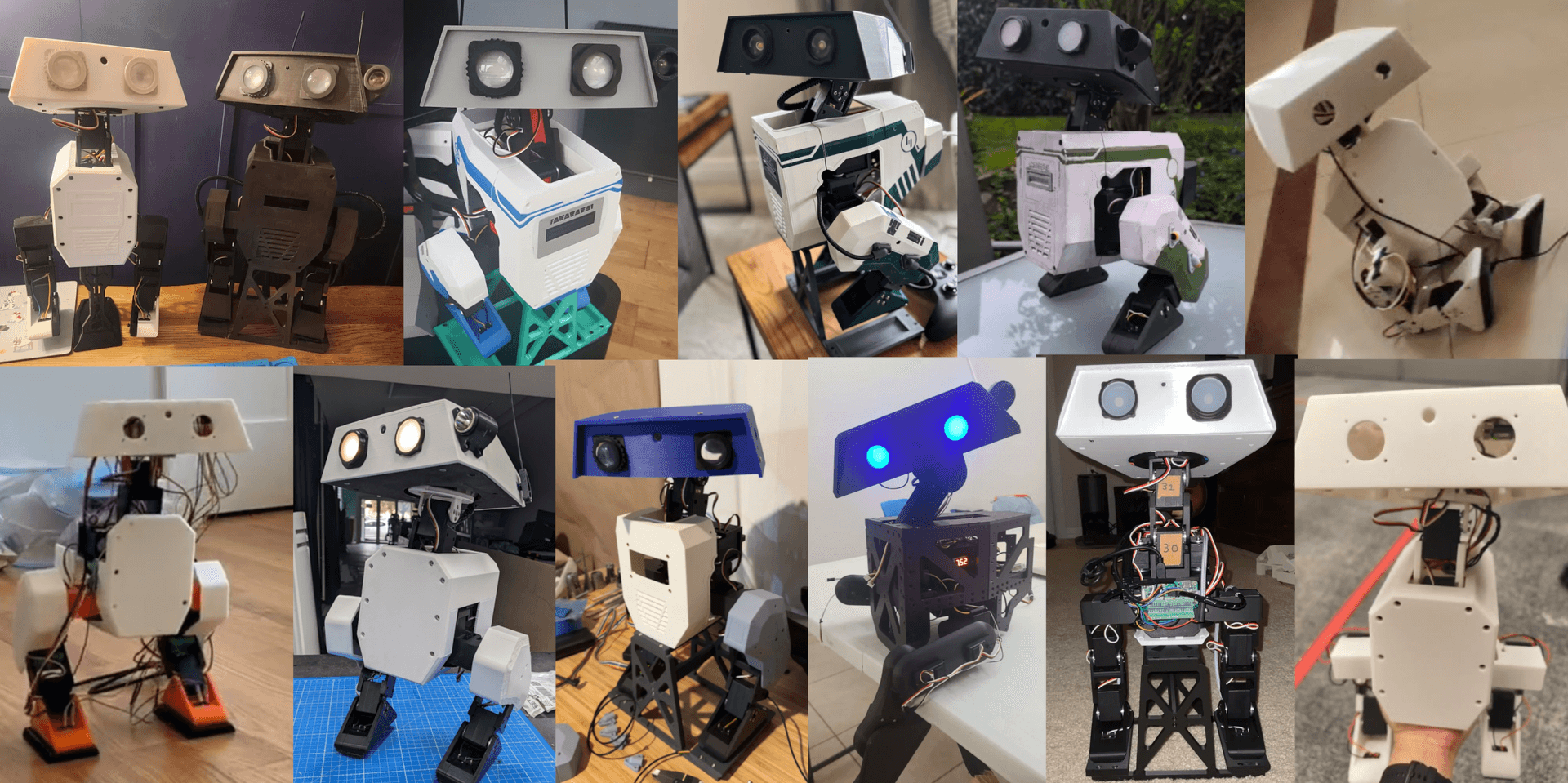
Open Duck Mini v2 is a miniature replica of Disney’s BDX droid. The biped stands 42 cm tall. The author describes the repository as “a work in progress”; many scripts are undocumented, and the repository will continue to be organized.

Hardware list and approximate cost:
The frame is built mainly from 3D-printed structural parts. A Raspberry Pi Zero 2W runs the trained walking policy onboard. The README does not provide a complete list of servo and electronics models. The full BOM is available through the official Google Sheets link, with a Chinese version in a Feishu document. The official text states that the complete BOM costs under $400.

Build overview:
1. Open the official BOM spreadsheet and purchase all parts
2. 3D-print the structural parts according to print_guide
3. Assemble the robot according to assembly_guide (officially marked as incomplete)
4. Test it directly with either of the two officially released trained ONNX walking policies, or retrain one yourself with MuJoCo Playground
5. Use the Open_Duck_Mini_Runtime repository to deploy the policy to a Raspberry Pi Zero 2W for sim2real execution
6. To train your own policy, refer to sim2real.md

Getting-started advice:
The official assembly guide is marked as incomplete. If you get stuck, ask directly in the Discord community instead of struggling with the documentation.Models & stability
Recommended models
Keep exploring
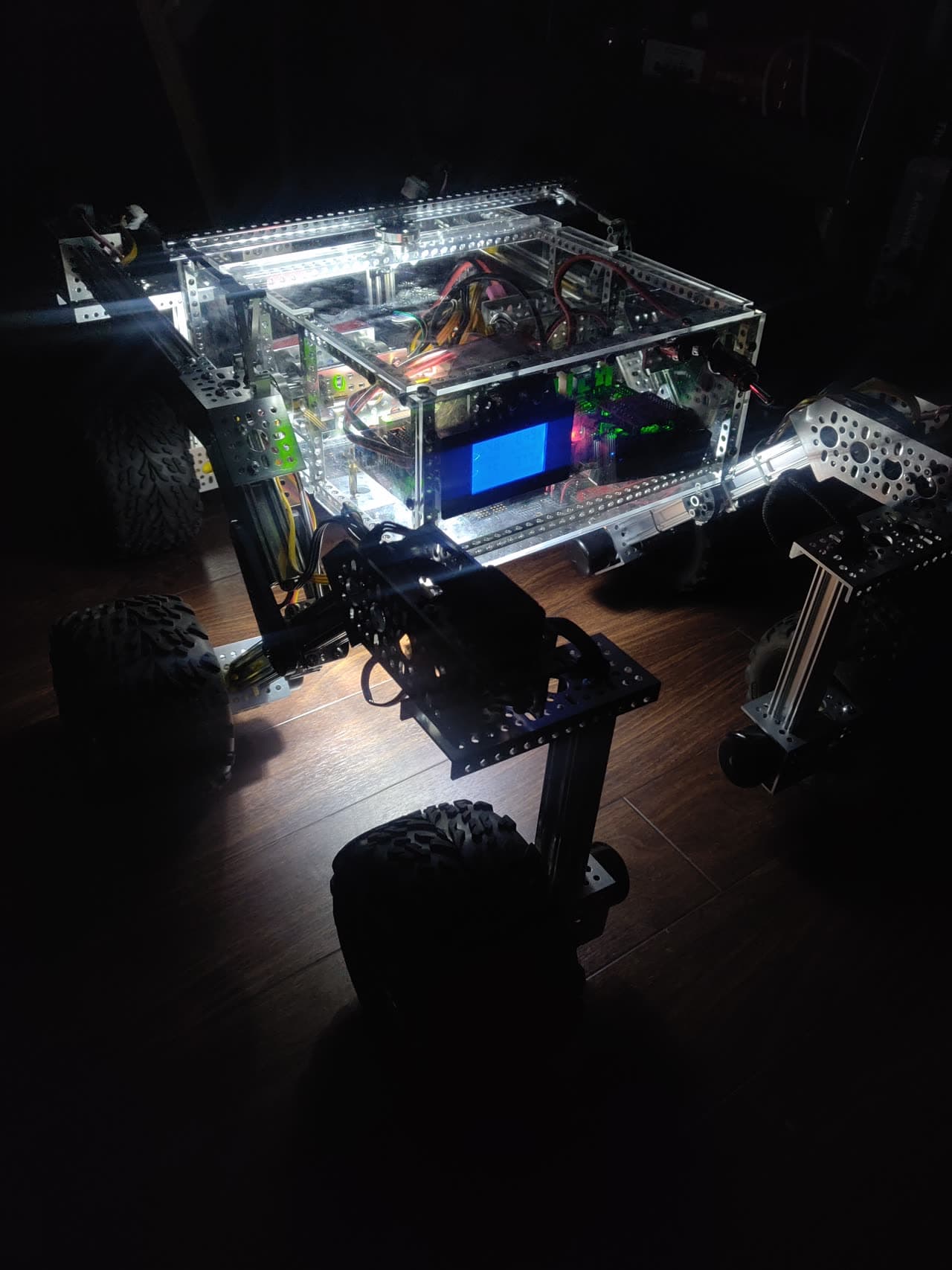
A complete hardware design released by JPL for a six-wheeled Mars rover. Its rocker-bogie suspension and differential pivot keep every wheel in contact with the ground while climbing. A Raspberry Pi serves as the brain, and the full build costs about $1,600.
Prompt
What it is: The Open Source Rover is an open-source hardware project released by NASA JPL. It is a scaled-down replica of the six-wheeled rover design JPL uses for Mars exploration, built entirely from consumer-grade commercial off-the-shel
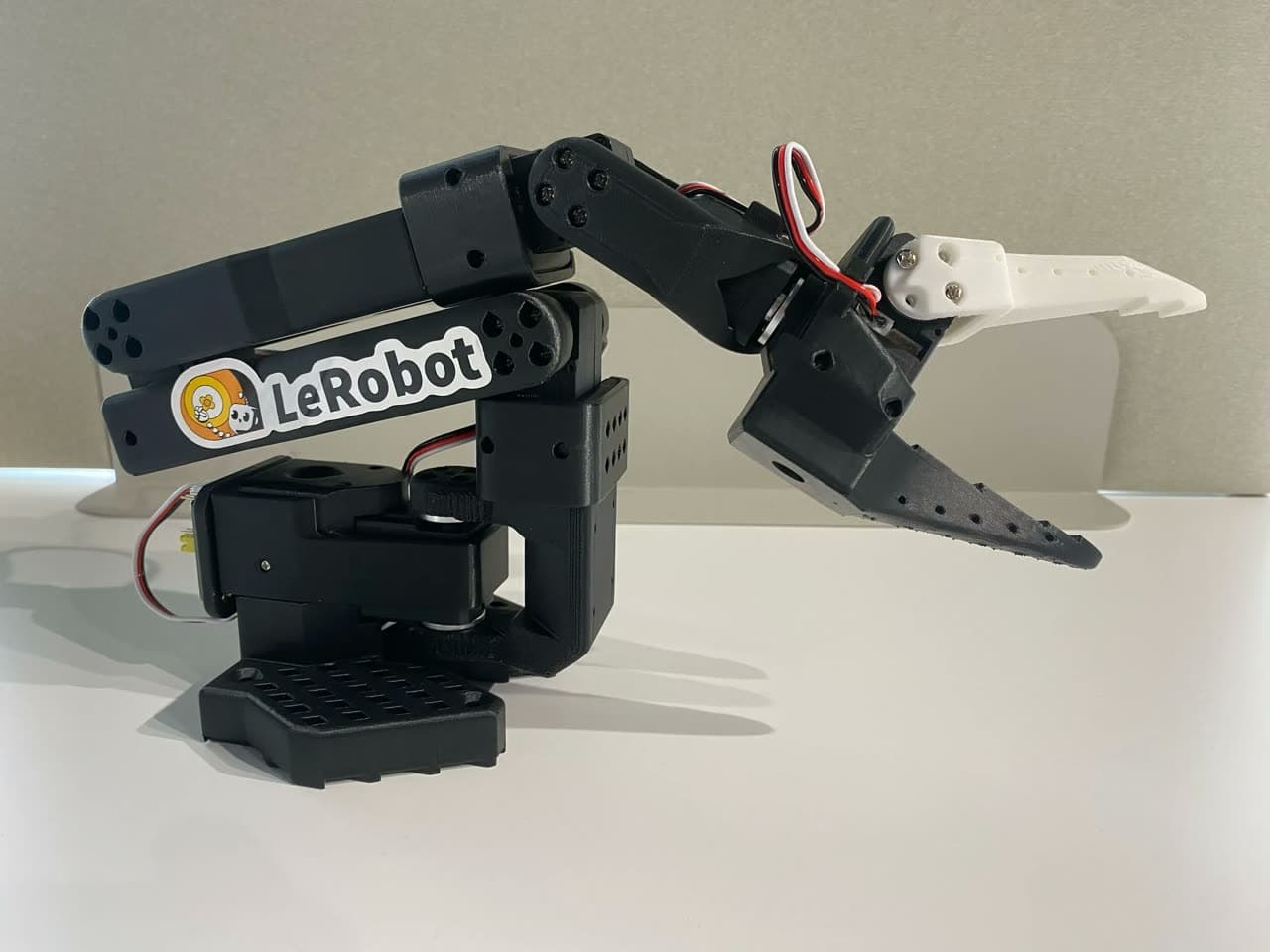
A low-cost standardized robotic arm kit. A leader and follower arm work with the LeRobot library for teleoperation and imitation-learning data collection. The full system can be assembled from online purchases and 3D-printed parts, with both arms costing about $230.
Prompt
What it is: The SO-101 is a standardized open-source robotic arm developed by RobotStudio in collaboration with the Hugging Face LeRobot team. It is the successor to the SO-100, with improved cable routing and assembly that does not require
An AI assistant running on a $5 ESP32-S3 chip. It uses pure C with no Linux or Node.js, communicates through Telegram, calls Claude or GPT to complete tasks, and remembers history across restarts.
Prompt
What it is: MimiClaw packs a complete set of AI agent capabilities—reasoning, tool use, and reading and writing memory—into an ESP32-S3 chip that does not run Linux. It is implemented in pure C, sends and receives messages through Telegram,
Each detail page keeps the original result, the prompt, and retest evidence in one reading path.